
Featured
Ambode fights back, goes to Appeal Court to upturn judgement on probe of 820 buses

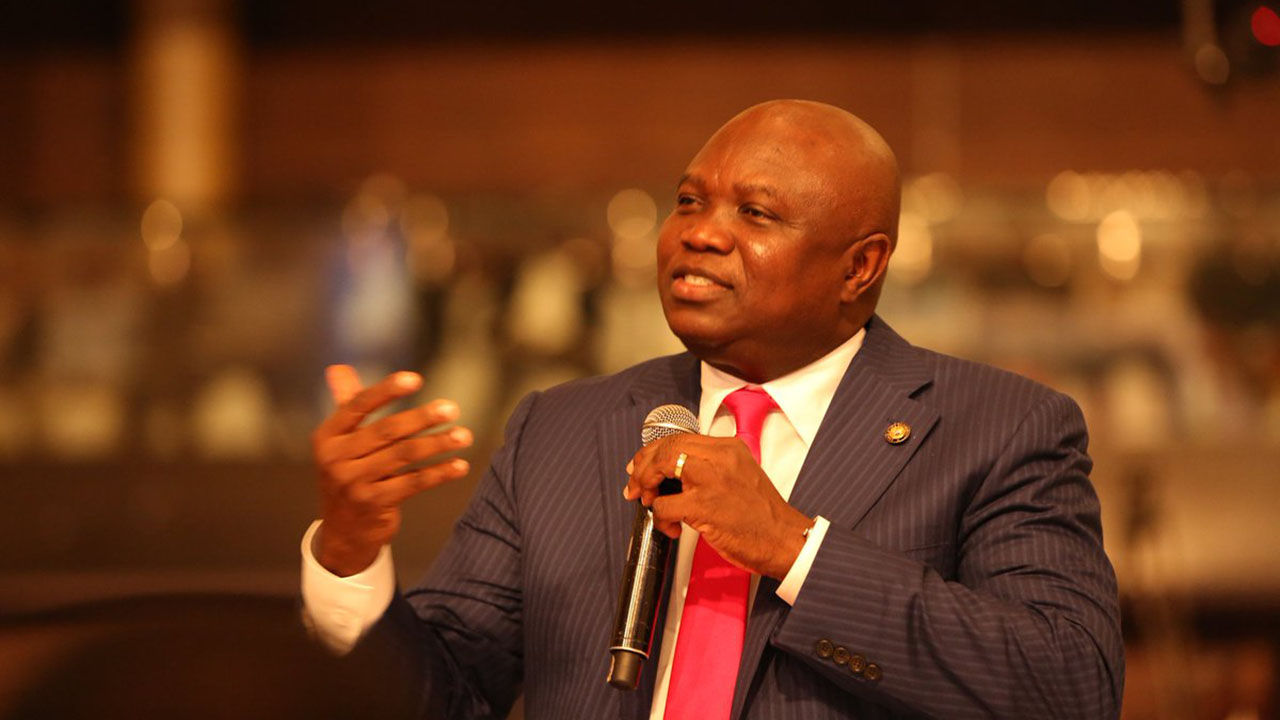
Former Governor Akinwunmi Ambode of Lagos State has sustained his battle to ward off political persecution since he left office in 2019. The former governor has without delay appealed the judgement of a Lagos High court which struck out a suit seeking to restrain the State House of Assembly from probing him on the procurement of 820 buses acquired for public transportation in the State.
The presiding judge, Justice Yetunde Adesanya, in his judgement on Thursday on the interlocutory suit filed by Ambode struck out the suit on the ground that it was premature and not justiceable.
The Judge said the Ad-hoc Committee set up to investigate Ambode is a fact-finding committee, noting that an investigation is not an indictment.
The Lagos house of Assembly had suspended the probe after Ambode secured a court order which directed parties to the suit to maintain status quo.
Meanwhile, Ambode in the notice of appeal filed by his counsel, Tayo Oyetibo SAN, before the Lagos division of the Court of Appeal, prayed the court to set aside the judgement of the Lagos State High Court and grant the appeal.
The former governor also prayed the appellate court to remit the matter back to the high court to allow the Chief Judge of the state to reassign case to another judge of the High Court for trial.
ALSO READ: Probe: Ex-Gov. Ambode has no where to run, gets disappointing court ruling against his application
Respondents in the appeal are the Lagos State House of Assembly, the Speaker, Rt. Hon. Mudashiru Obasa, and the Clerk of the House, A.A Sanni. Others include Fatai Mojeed, Chairman of the Ad-hoc Committee set up by the House to probe the procurement of the buses and eight members of the Committee.
On the four grounds of appeal, Ambode argued that the trial court erred in law when it held that the suit was not mature. According to him, any person who assumes that his right is being infringed upon or likely to be infringed has the right to invoke the jurisdiction of the court to seek legal protection, which the court has a duty to entertain.
He argued further that the court below erred in law when it held that Section 36 (1) of the 1999 constitution does not apply to the exercise of the powers of the defendants under Section 128 of the constitution.
He argued that Section 128 (1) of the constitution provides that the exercise of the powers of the House of Assembly is subject to the provisions of the 1999 constitution.
He submitted that the trial court erred in law when it held that the Claimant action does not disclose a reasonable cause of action. According to him, his action is a declarative action, which pleaded the facts of the allegations against him, which were not denied by the defendants.
He finally submitted that the trial judge erred in law when it held that the defendant’s objection was properly taken without the defendants filing a statement of defence.












-

 Latest6 days ago
US Immigration fees rise from October 16 as USCIS announces new charges
-
 Latest20 hours ago
Israel marks 3 years since October 7 Hamas attack amid Gaza strikes, election debate
-

 Business5 days ago
Nigeria’s $55bn reserves raise fresh questions over naira value
-

 Health5 days ago
Florida sues Pfizer over deceptive COVID-19 vaccine marketing
-

 Business7 days ago
Tuoyo Erikowa wins digital marketing personality of the Year at 2026 EDGE awards
-

 Crime5 days ago
From camp to captivity: How kidnappers now target NYSC Corps members on highways
-

 Featured5 days ago
2027: Can Nigeria’s opposition still unite behind a single presidential candidate?
-

 Crime5 days ago
Fulani Militia leader linked to Christian killings arrested in Plateau