
News
Benin Royal Museum will preserve Edo’s audio-visual heritage, drive interest in history – Obaseki

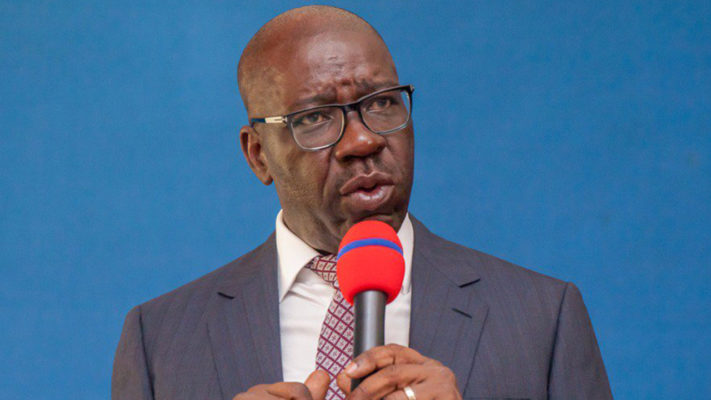
The governor said this in commemoration of the World Day for Audiovisual Heritage, marked every October 27, by the United Nations and the United Nations Scientific, Educational and Cultural Organisation (UNESCO), and other sister organisations.
Obaseki said it was pertinent to underscore the role of audio-visual heritage in preserving the human conscience, stressing the need for strengthening institutions and policies that investigate, collate and document human experience in formats that are easily retrievable.
According to him, “As we mark the World Day for Audiovisual Heritage, the significance and reasoning behind the Benin Royal Museum is brought to the fore. The centrality of such institutions to the sustenance of human history cannot be overemphasized. Hence, there is no denying that as a people, we have come a long way with unique, personal and collective memories that enrich the human experience.
“Aside the fact that we would be preserving our artifacts at the Museum, mentifacts, including sociofacts and other manifestations of our rich and diverse civilisation, have been documented in audio-visual formats and need to be preserved and exhibited to serve as guides to our youths.”
He noted that the Museum project would help to build strong identities and personalities among youths and connect them to the core of their heritage in formats that are easily relatable, especially with the proliferation of digital media, which affords them vicarious knowledge and experience to drive social change.
According to the UN, “Audiovisual archives tell us stories about people’s lives and cultures from all over the world. They represent a priceless heritage, which is an affirmation of our collective memory and a valuable source of knowledge since they reflect the cultural, social and linguistic diversity of our communities.
“They help us grow and comprehend the world we all share. Conserving this heritage and ensuring it remains accessible to the public and future generations is a vital goal for all memory institutions, as well as the public at large.
“The World Day for Audiovisual Heritage (WDAH) provides an occasion to raise general awareness of the need to take urgent measures and to acknowledge the importance of audiovisual documents.”


-
 Latest6 days ago
Israel marks 3 years since October 7 Hamas attack amid Gaza strikes, election debate
-

 Energy6 days ago
Fuel Battle: Dangote, marketers and government clash over petrol imports
-

 Energy1 week ago
Petrol, diesel prices rise 86% in 2026 as costs hit fresh highs
-

 Football7 days ago
Nigeria’s World Cup exit under spotlight as FIFA’s DR Congo files emerge
-

 Energy1 week ago
Has Iran lost control of the Strait of Hormuz? Oil flows rebound as war disruptions persist
-
 Latest22 hours ago
Full List: Meet the 2026 Nobel Prize winners across six categories
-

 Latest7 days ago
US Court set to rule on release of FBI, DEA records on Tinubu
-

 Business7 days ago
Nigerian investors at a crossroads as fixed-income yields slide