
Business
Buhari defends Nigeria’s huge debt, additional loans

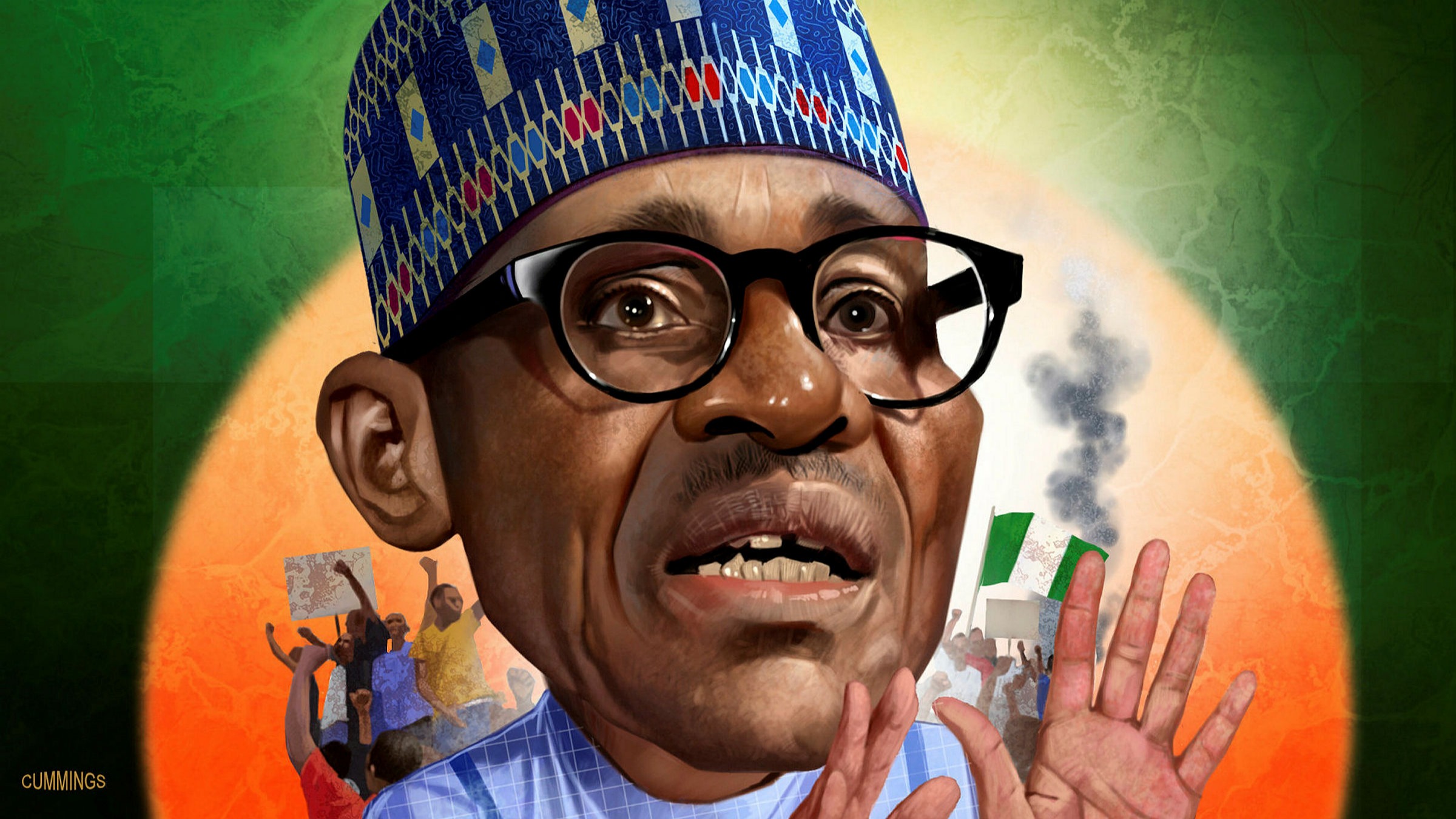
President Muhammadu Buhari on Thursday said that though Nigerians have the right to be concerned about the nation’s additional loans, still, the country’s debts remain at a sustainable level.
As of March 31, 2021, Nigeria’s total public debt stock was N33.107 trillion, or USD87.239 billion. Between the end of the first quarter and the end of the second quarter, the debt stock increased by N2.358 trillion.
Last month, President Buhari wrote the National Assembly seeking to borrow another $4 billion ($4,054,476,863) and €710 million loan from bilateral and multilateral organisations to fund the deficit in the 2021 budget.
The president, in a letter to the Senate, said the loan request is an addendum to the 2018-2020 borrowing plan.
Buhari to borrow over N6tr to finance 2022 budget deficit
His recent loan request comes barely two months after the National Assembly approved his earlier request to borrow $8.3 billion and €490 million loans contained in the initial 2018-2020 borrowing plan.
With the current $1 to N550 exchange rate, the new loan of $4 billion will amount to about N2.2 trillion.
Already, the 2021 budget has a deficit of N5.6 trillion.
But while presenting the 2022 budget estimates to the joint session of the National Assembly on Thursday, President Buhari said despite the country’s revenue challenges, it has consistently met its debt service commitment.
He adds that “Some have expressed concerns over our resort to borrowing to finance our fiscal gaps. They are right to be concerned. However, we believe that the debt level of the Federal Government is still within sustainable limits”.
President Buhari further noted that the additional loans were meant to complete ongoing critical infrastructure projects across the country.
The President explained that the nation has witnessed two economic recessions within the period of his administration.
Buhari asserted that in both cases, the government spent its way out of recession, which necessitated a resort to growing the public debt.
He, however, stressed that it is unlikely that “our recovery from each of the two recessions would have grown as fast without the sustained government expenditure funded by debt”.
Speaking further about the debts, the President said the administration’s target over the medium term is to grow the country’s Revenue-to-GDP ratio from about 8 percent currently to 15 percent by 2025.
“At that level of revenues, the Debt-Service-to-Revenue ratio will cease to be worrying. Put simply, we do not have a debt sustainability problem, but a revenue challenge which we are determined to tackle to ensure our debts remain sustainable,” the President assured.


-
 Featured5 days ago
Inside INEC’s race to prepare for Nigeria’s 2027 elections
-
 Featured5 days ago
2027: APC unveils nationwide campaign timetable, Tinubu to rally in 12 states
-

 Latest1 week ago
UCTH faces morgue crisis as 50 unclaimed corpses await mass burial
-

 Business6 days ago
President Tinubu and the Low Transport Fares Fiasco
-
 Business1 week ago
BREAKING: Nigeria’s Inflation Rate Drops to 14.63% in September
-
 Business5 days ago
Court dismisses ₦170m Trade Fair contract claim, says Zenith Bank was not a party
-
 Business3 days ago
Naira faces exchange rate gap as Dollar hits N1,380 on parallel market
-
 Latest6 days ago
Global excitement builds as Healing Streams Live Services returns October 23