
ICT
Firm urges service providers to invest in mobile towers

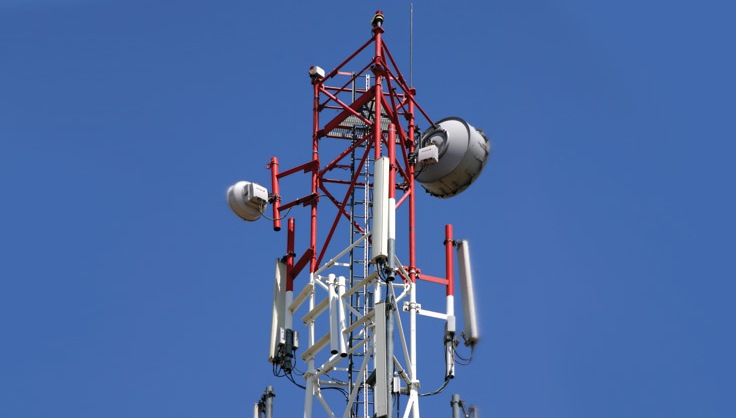
Service providers will need to invest more in mobile tower infrastructure – particularly in rural areas – if Sub Saharan Africa is to get a much needed boost to connectivity and network coverage.
This is according to Frost & Sullivan which describes the region as one of the least connected globally, with a mobile penetration of 82% compared to the 100% global average.
Analysis entitled Sub-Saharan Africa Mobile Telecom Infrastructure Market, Forecast to 2021, estimates that the market for tower services in the region was worth US$991.7 million in 2016, and is expected to grow at a compounded annual growth rate (CAGR) of 8.8% over the period 2016 – 2021, to reach US$1,508.4 million by 2021.
Frost & Sullivan Industry Analyst Lehlohonolo Mokenela said, “Some MNO operators are concerned about losing strategic control and revenues when ownership of infrastructure is transfered to the towercos. To mitigate this, towercos should develop strong partnerships with MNOs in sale and leaseback deals, and invest in building a strong reputation and track record in infrastructure management.”
“There are also a growing number of tower innovations that are expected to shape the evolution of the industry in the long-term,” notes Mokenela. “This includes the structure of infrastructure outsourcing deals, supporting energy systems, base station technologies and infrastructure maintenance solutions.”
Despite the growing demand for wireless connectivity, particularly in remote areas, the business case for infrastructure investment is not always compelling, explains Mokenela. “The success of towercos in the industry is a function of their tenancy ratios, which in SSA, has been relatively low by global standards. To accelerate market growth, towercos will need to convince MNOs, particularly the larger ones, of the reduced total cost of ownership of either outsourcing or selling off their infrastructure.
ALSO SEE: Expert to govt: Focus on ICT devt
In April 2016 Zimbabwe’s government said state telecom companies should expect to share infrastructure as officials prepared a legal framework making it mandatory for companies to share base station towers and fibre networks across the industry.
In July 2016 Segun Ogunsanya, CEO and MD of Airtel Nigeria, appealed to the country’s government to formulate regulations that will enable telcos to share spectrum and active infrastructure.
He said this would minimise duplication, reduce proliferation of infrastructure and facilities, and promote fair competition.





-

 Latest7 days ago
US Immigration fees rise from October 16 as USCIS announces new charges
-
 Latest2 days ago
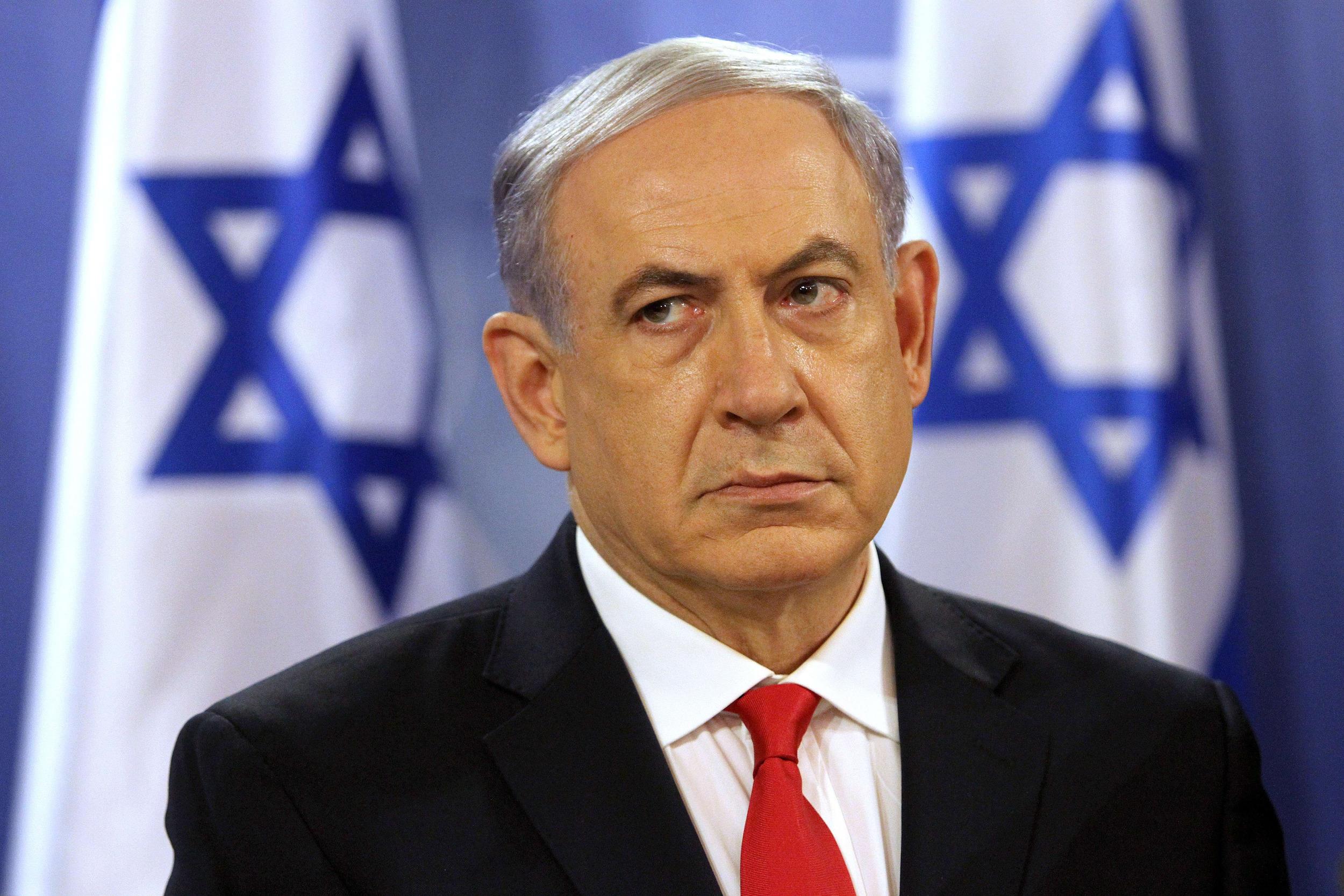
Israel marks 3 years since October 7 Hamas attack amid Gaza strikes, election debate
-

 Business6 days ago
Nigeria’s $55bn reserves raise fresh questions over naira value
-
 Health6 days ago
Florida sues Pfizer over deceptive COVID-19 vaccine marketing
-

 Business1 week ago
Tuoyo Erikowa wins digital marketing personality of the Year at 2026 EDGE awards
-

 Crime6 days ago
From camp to captivity: How kidnappers now target NYSC Corps members on highways
-

 Featured6 days ago
2027: Can Nigeria’s opposition still unite behind a single presidential candidate?
-

 Crime6 days ago
Fulani Militia leader linked to Christian killings arrested in Plateau