
Business
Fresh threat of recession looms, CBN warns

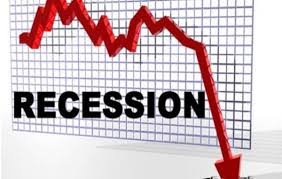
The Central Bank of Nigeria (CBN) has warned that the weak economic fundamentals currently being shown by the economy are threatening Nigeria’s exit from recession.
After the two-day meeting of the MPC members held at the headquarters of the apex bank, the CBN Governor, Godwin Emefiele revealed that the economy is showing signs of weakness.
Exemplifying his statement, Emefiele said the committee was concerned that there was a fresh threat of recession as the economy recorded growth rate of 1.95 per cent and 1.5 per cent during the first and the second quarters of this year, respectively.
According to Emefiele, the economy downturn emanated from the oil sector, with strong linkages to employment and growth.
The CBN boss added that the late implementation of the 2018 budget, weakening demand and consumer spending, rising contractors’ debts, and low minimum wage were some of the risks to output growth.
Others, according to him, are the impact of flooding on agricultural output, continued security challenges in the North-East and North-Central zones, and growing level of sovereign debts.
“The MPC observed that despite the underperformance of key monetary aggregates, headline inflation inched up to 11.23 per cent in August 2018 from 11.14 per cent in July 2018.
“The near time upside risks to inflation remain the dissipation of the base effect expected from 2019 election related spending, continued herdsmen attacks on farmers and episode of flooding, which destroyed farmlands and affected food supply ultimately,” Emefiele stated.
The Nigerian Economy was in turmoil for the better part of 2015 and 2016 following the drop in the price of crude oil and the negative impact it had on government’s revenue. This resulted in a dip in Nigeria’s foreign reserves, triggering a gradual and continuous depreciation of the value of the Naira.
This then triggered a rise in the cost of goods and services, reduction in consumer expenditure, lower profits for companies and a rise in bad debts in the books of commercial banks.
By the end of the first quarter of 2016, the National Bureau of Statistics reported that Nigeria had recorded a negative GDP growth rate.


-

 Latest1 day ago
Pastor Chris Oyakhilome announces mother’s passing at 88 [VIDEO]
-

 Football5 days ago
Saka: England still carry World Cup scar
-

 Comments and Issues6 days ago
Sometimes, goodwill finds us through the people we love
-

 Latest3 days ago
Arsenal eye €70-80m move for Real Madrid star
-
 Business6 days ago
CBN reduces MPR by 350bps to 23% in major monetary policy shift
-

 Business1 week ago
Jetour takes T1 adventure SUV experience to Abuja, targets growing Nigerian market
-

 Latest2 days ago
How adulterated palm oil, coloured pepper are putting consumers at risk
-

 Crime3 days ago
Police arrest suspect, launch manhunt for 2 others over Delta Education Director’s death