
News
Gas shortages, low water levels worsen electricity supply across Nigeria – NISO

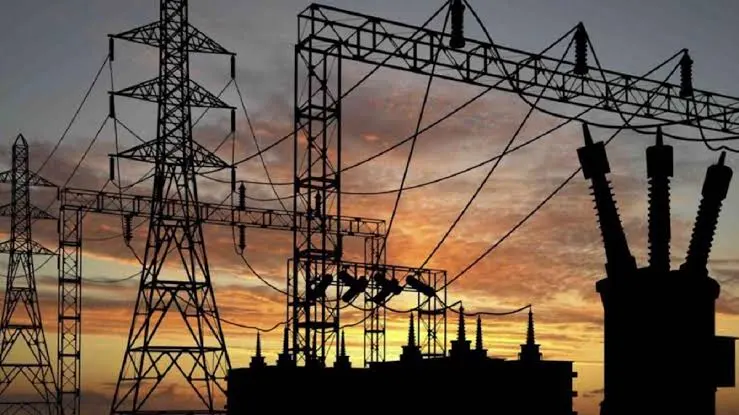
Nigeria’s electricity supply has deteriorated as gas shortages and reduced water inflows into hydroelectric reservoirs constrain power generation, forcing distribution companies to cut supply hours and increase load shedding across their networks, the Nigerian Independent System Operator (NISO) has said.
In a statement issued on Thursday, November 5, 2026, the operator attributed the decline in electricity generation to inadequate gas supplies to thermal power plants and reduced output from hydroelectric stations.
NISO said limited gas availability had prevented affected thermal generating stations from operating at their available capacity, while reduced water inflows into reservoirs had weakened the generation capacity of hydropower plants.
The combined constraints have reduced the volume of electricity available for distribution to consumers, resulting in shorter supply hours and increased load shedding across distribution networks.
According to the operator, the extent of the impact varies among electricity distribution companies (DisCos), depending on available generation and the quantity of power allocated to each network.
“The current decline in electricity generation on the national grid is primarily attributed to constraints in gas supply to thermal power generating stations and reduced output from hydroelectric power stations,” NISO said.
The development is adding to the difficulties faced by households and businesses that depend on public electricity supply for daily activities, including refrigeration, water pumping, manufacturing and commercial operations.
Nigeria relies heavily on gas-fired power plants, with hydroelectric stations providing another significant source of grid electricity. Disruptions affecting both sources can therefore reduce the amount of power available to the national grid.
NISO acknowledged the hardship caused by the generation shortfall and said it was working to manage available electricity while maintaining grid stability.
The operator also said it was pursuing diversification of the national grid’s energy mix to improve security of supply and reduce exposure to prevailing operational constraints.
It, however, did not provide a timeline for when electricity generation and supply would return to previous levels.
The latest development highlights persistent challenges in Nigeria’s electricity sector, where inadequate generation, gas supply constraints and infrastructure limitations have continued to affect reliable power delivery to consumers.


-
 Business3 days ago
OPay explains how Nigerians can access FG’s N50,000 monthly cash relief
-
 Sports7 days ago
Senegal opens Dakar 2026 Youth Olympic Games, Africa’s first Olympic event
-
 Football1 week ago
U-17 Women’s World Cup: Flamingos Beat Mexico to Reach Quarter-Finals
-

 Latest6 days ago
FG Announces N50,000 cash support for vulnerable Nigerians under new relief programme
-
 Business6 days ago
NNPC’s N66-per-litre petrol discount set to end October 31
-

 Latest6 days ago
INEC recognises Pantami for Gombe, keeps Kano NDC candidate off final list
-

 Latest1 week ago
Netanyahu, Eisenkot face coalition deadlock as Israel struggles to form new government
-

 Latest6 days ago
NDC Chieftain tells Atiku to drop presidential ambition over son’s support for Tinubu