
Energy
Hundreds of petrol trucks head for Lagos, Abuja

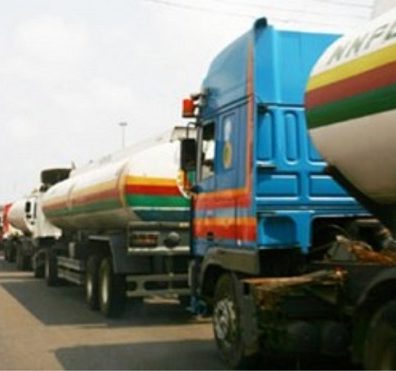
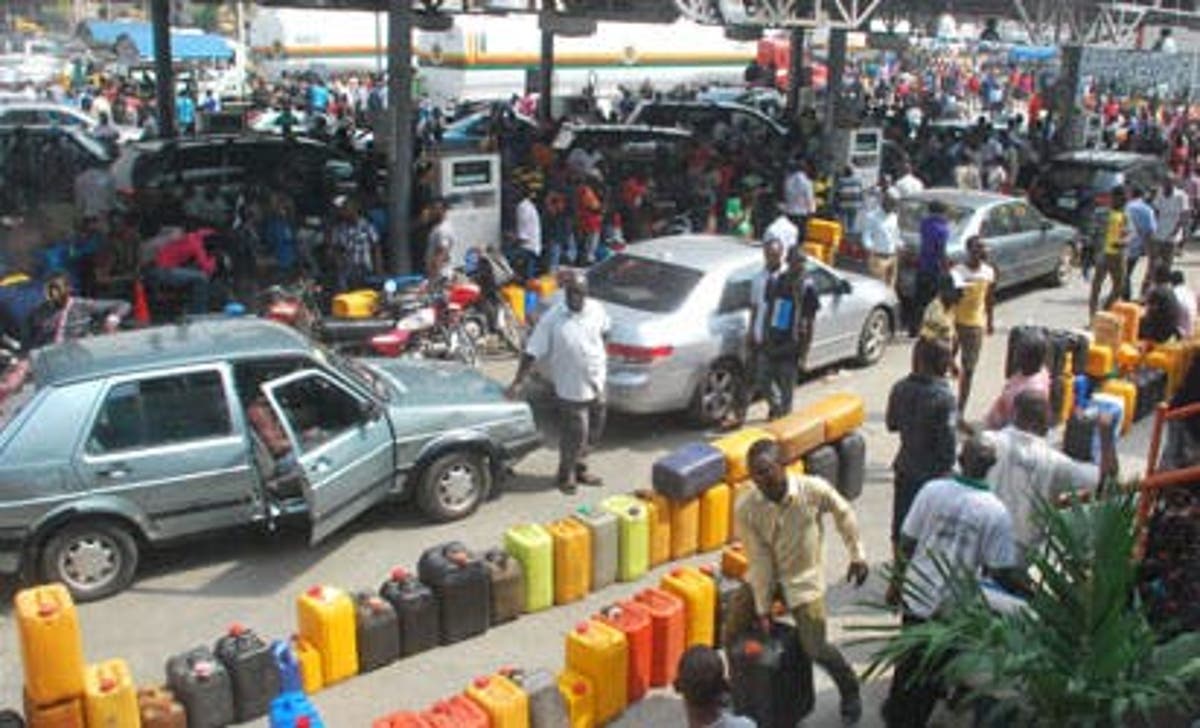
The Nigerian National Petroleum Corporation (NNPC) on Tuesday said it released 300 trucks of petrol to Lagos and 170 to Abuja, to stem long queues at filling stations.
NNPC’s Spokesman Ndu Ughamadu announced the release in a statement in Abuja.
This followed the call-off of the strike by the Petroleum and Natural Gas Senior Staff Association of Nigeria (PENGASSAN) over labour disputes with NECONDE Energy Services Ltd.
According to Ughamadu, the corporation has 21 days sufficiency of petrol, which translates into 750 million litres of the white product.
“NNPC has also increased the supplies of petrol to cities across the country, with Abuja receiving additional 100 trucks of petrol from its normal 70 trucks daily supply.
“Lagos is being supplied 300 trucks of petrol daily,’’ he said.
He explained that supplies from the Port Harcourt and Kaduna refineries boosted the petrol stock.
“With the call-off of the warning strike by PENGASSAN yesterday, NNPC wishes to assure motorists that normalcy would soon be restored in all parts of the country.
“NNPC enjoins motorists and other consumers of petroleum products to desist from panic buying.
“We also warn marketers not to engage in hoarding as defaulters will be prosecuted,’’ the spokesperson said.








-

 Latest6 days ago
Full List: Meet the 2026 Nobel Prize winners across six categories
-

 Football6 days ago
Premier League Matchweek 7: Five Fixtures That Could Shape the Weekend
-

 Latest5 days ago
Umahi defends Lagos-Calabar highway route changes amid public outcry
-
 Business4 days ago
Dangote Refinery IPO: 70% Subscription claim meets fourfold demand assertion as investors seek clarity
-

 Latest3 days ago
UCTH faces morgue crisis as 50 unclaimed corpses await mass burial
-
Business5 days ago
Dangote Refinery IPO Extension: Was the 70% subscription report overhyped?
-

 Featured5 days ago
El-Rufai, ADC governorship candidate’s court appearance puts Kaduna opposition politics in focus
-

 Business3 days ago
BREAKING: Nigeria’s Inflation Rate Drops to 14.63% in September