
Business
IMF not worried over Nigeria’s rising debt profile – Adeosun

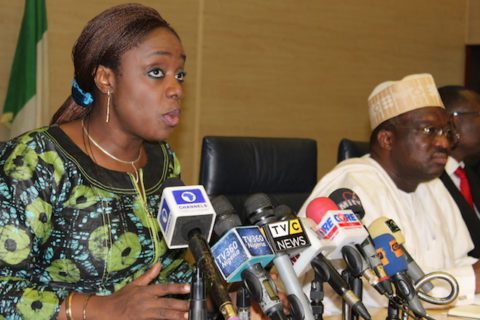
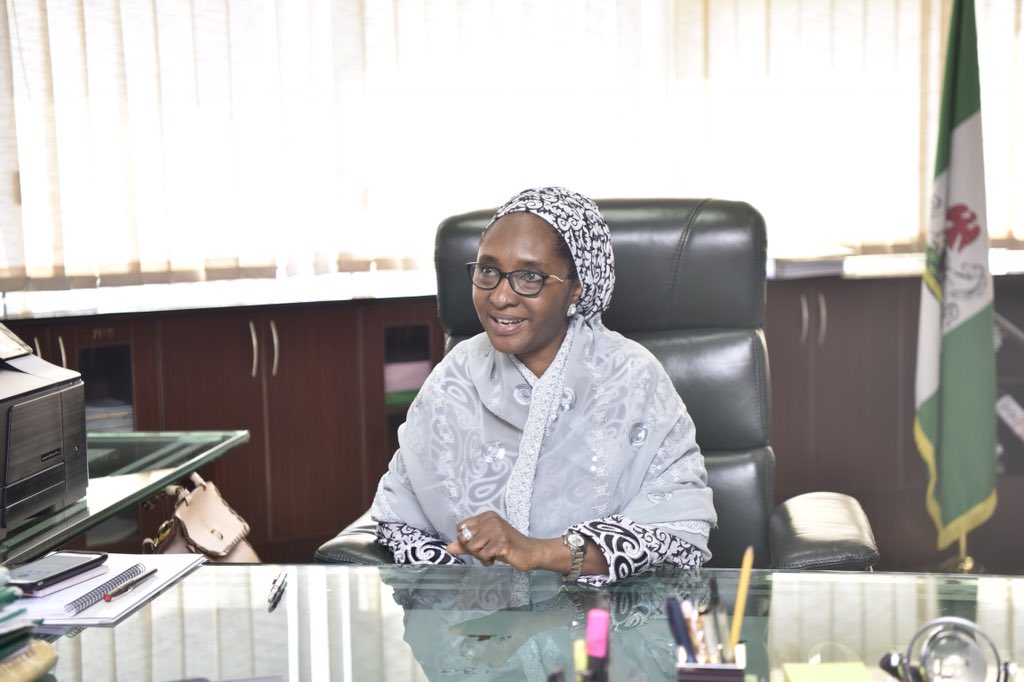
The Minister of Finance, Mrs. Kemi Adeosun, has stated that Nigeria has adequate capacity to repay its debt obligations estimated at N21.7 trillion. Thus, she dismissed reports that the International Monetary Fund (IMF) is worried about Nigeria’s rising debt profile.
Adeosun remarked that the government is not worried about Nigeria’s rising debt profile as the debt to Gross Domestic Product ratio was still low compared to other countries. She contended that at 20 per cent, Nigeria’s debt to GDP ratio was one of the lowest in sub-Saharan Africa compared to Ghana’s 68 per cent and Ethiopia’s 50 per cent. She maintained that Nigeria’s debt to GDP ratio is far lower than a country like China whose debt to GDP was at 250 per cent.
The Finance Minister declared: “I have said this before and I am saying it again, there is no cause for worry. Nigeria’s debt to GDP ratio is 20 per cent and it is one of the lowest in sub-Saharan Africa.
“We are pursuing a very measured strategy. We are running a budget deficit; the size of that deficit is coming down now. Nigeria is not among the countries that the IMF is worried about. We do have a challenge on debt service to revenue. That is because the interest cost is quite high and that is a function of two things.
“One is the fact that most of the debts were short-term; so, we are paying interests and compounding it. We have been refinancing treasury bills and issuing bonds. We have been refinancing treasury bills in the domestic market and replacing them with longer term debts in the international market. And this is reducing our cost of borrowing.”
Adeosun expressed that the Federal Government was working very hard on the country’s debt service cost and revenue collection. She admonished that rather than worrying now, Nigerians should have expressed concern about the country’s debt profile when the indebtedness doubled in the period of high oil prices and gross capital formation did not grow.
Adeosun stated that unlike in the past when funds were borrowed for no specific reasons, the government is now tying the debt to capital projects, noting that this accounted for the various infrastructure projects being implemented across the country.
She said, “Those roads and rails will be here for the next 30 years; so, you are matching long-term assets and long-term liabilities.
“So, there is no cause for alarm as far as Nigeria is concerned. We are using a well-managed and very conservative debt strategy, and we will continue to be very focused on concessional borrowing.”






-
 Featured5 days ago
Inside INEC’s race to prepare for Nigeria’s 2027 elections
-

 Latest1 week ago
UCTH faces morgue crisis as 50 unclaimed corpses await mass burial
-
 Featured5 days ago
2027: APC unveils nationwide campaign timetable, Tinubu to rally in 12 states
-

 Business1 week ago
BREAKING: Nigeria’s Inflation Rate Drops to 14.63% in September
-
 Business6 days ago
President Tinubu and the Low Transport Fares Fiasco
-
 Business5 days ago
Court dismisses ₦170m Trade Fair contract claim, says Zenith Bank was not a party
-
 Business2 days ago
Naira faces exchange rate gap as Dollar hits N1,380 on parallel market
-
 Latest5 days ago
Breaking: NNPCL raises petrol price to ₦1,405 per litre amid discount controversy