
Business
IMF tells Nigeria, others to charge 20% VAT income tax on crypto assets

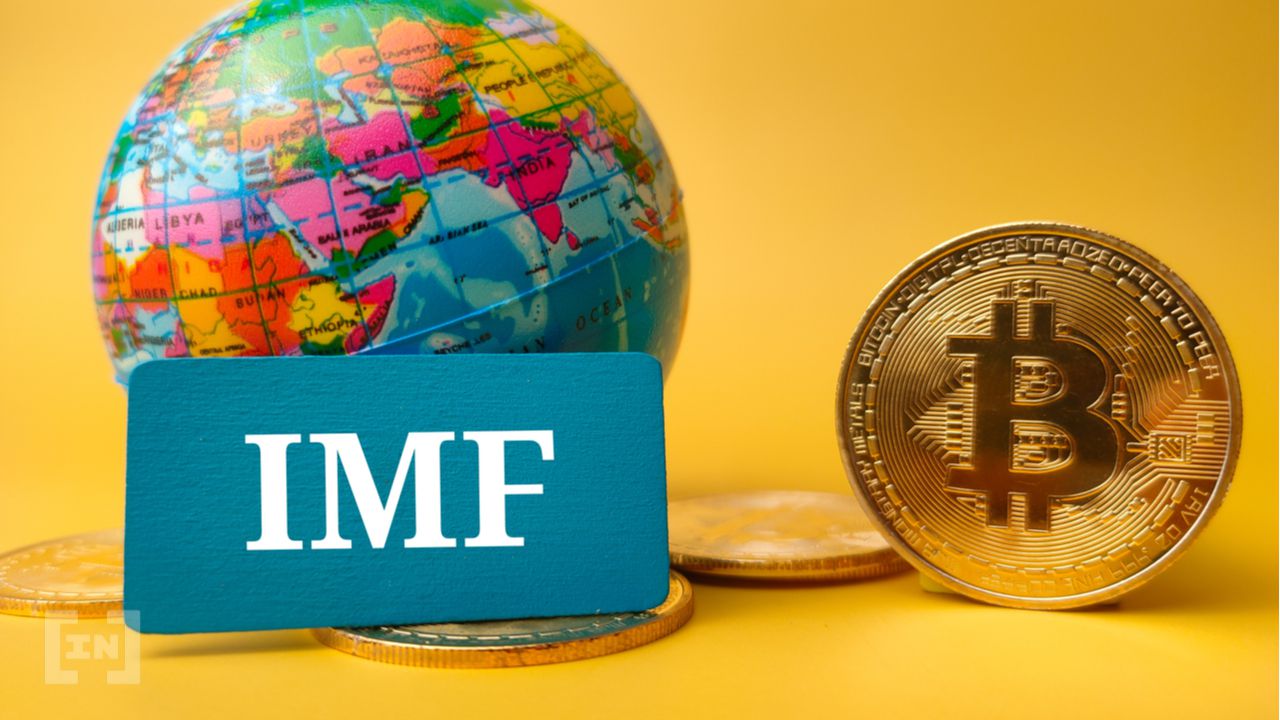
The International Monetary Fund (IMF), says Nigeria and other countries can generate value-added taxes (VAT) and income tax from crypto assets, which could have amounted to $100 billion worldwide if a 20 per cent tax was placed on capital gain amid soaring prices in 2021.
In a report titled; “Crypto Poses Significant Tax Problems—and They Could Get Worse,” sent on Wednesday, IMF stated that governments need to address the challenges of taxing crypto assets, in order to prevent a leakage in tax revenue and protect the integrity of the tax system.
The cryptocurrency assets enjoyed a boom in 2021, with major crypto assets like Bitcoin, surging to nearly $70,000 in 2021, from $200 a decade ago, before plunging to around $29,000 recently.
The IMF said a key issue is classifying crypto assets, either as a property or a currency, but suggested that capital gains should be taxed when a crypto asset is sold for profit, however, when it is used to make purchases, VAT should be collected.
While the IMF said governments globally could have generated $100 billion from taxing crypto assets in 2021, it stated that with the cryptocurrency market’s valuation down in the last two years, the tax revenue would be a combined $25 billion yearly.
Disclosing the financial benefits for governments in the cryptocurrency market and the loss so far, IMF said: “Crude estimates suggest that a 20 percent tax on capital gains from crypto would have raised about $100 billion worldwide amid soaring prices in 2021. That is about 4 percent of global corporate income tax revenues, or 0.4 percent of total tax collection.
In the report, IMF said the pseudonymity the crypto industry offers is a challenge to the government properly taxing holders of cryptocurrencies.
Although 10,000 people hold one quarter of all Bitcoin, according to the IMF but their pseudonymity enables holders to evade tax payments.
“There is also VAT. Crypto transactions have similarities to those in cash in their potential for being hidden from tax administrations. Today, the share of purchases made with crypto is still small.
“But widespread use, if tax systems were not prepared, could someday mean widespread evasion of VAT and sales taxes, leading to materially lower government revenues. This may be the biggest threat from crypto,” IMF noted in the report.








-

 Featured5 days ago
Inside INEC’s race to prepare for Nigeria’s 2027 elections
-

 Featured5 days ago
2027: APC unveils nationwide campaign timetable, Tinubu to rally in 12 states
-

 Latest1 week ago
UCTH faces morgue crisis as 50 unclaimed corpses await mass burial
-

 Business7 days ago
BREAKING: Nigeria’s Inflation Rate Drops to 14.63% in September
-

 Business6 days ago
President Tinubu and the Low Transport Fares Fiasco
-
 Business5 days ago
Court dismisses ₦170m Trade Fair contract claim, says Zenith Bank was not a party
-
 Business2 days ago
Naira faces exchange rate gap as Dollar hits N1,380 on parallel market
-

 Latest5 days ago
Breaking: NNPCL raises petrol price to ₦1,405 per litre amid discount controversy