
Energy
Implication for Nigeria as OPEC extends oil cap

By Odunewu Segun
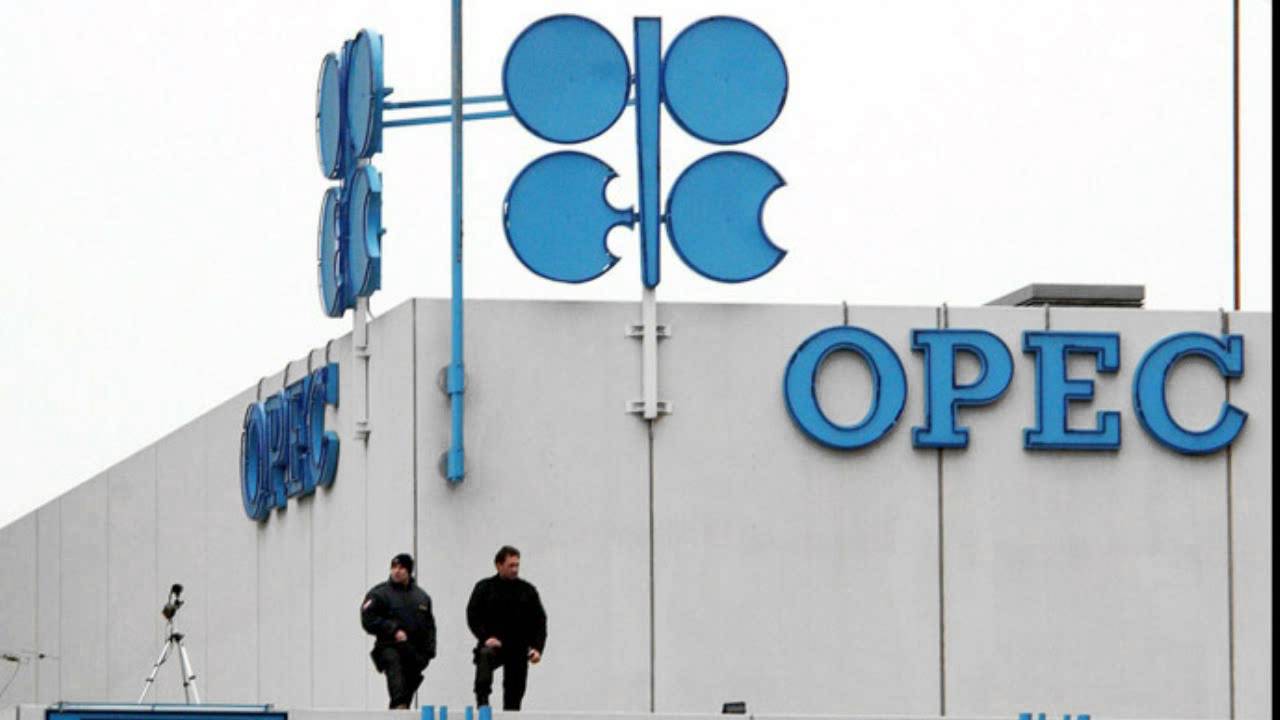
The Organisation of Petroleum Exporting Countries (OPEC) decision to cap Nigeria’s crude oil is expected to help improve Nigeria’s forex inflow from Oil which stood at about $5.5 billion according to CBN data as at July 2017.
This is still lower than 2016 inflow of about $6.4 billion in the same period and short of the $24.4 billion recorded in the same period in 2014.
Recall that OPEC agreed on Thursday November 30, to extend Nigeria’s Oil Cap.
OPEC capped Nigeria’s oil output at 1.8 million barrels per day, in November 2016, following its agreement to push for production cuts for other member countries.
The news that OPEC had agreed to cut its production was seen as a positive move towards pushing back the persistent slide in oil prices that characterized 2016. For Nigeria, alongside Libya, it was exempted from any cuts.
In a significant boost to Minister of State for Petroleum’s standing, Ibe Kachikwu, the news gives the Federal Government a boost for its ambitious N8.6 trillion budget which is bench-marked at $45 per barrel and a production level of 2.3 million barrels per day.
As Nigeria’s crude oil output continues to increase in the coming months, the country will benefit from a surge in prices, giving the economy the boost it needs. Forex inflow from oil is included in the CBN’s external reserves which are directly linked to the stability in the exchange rate.
Nigeria’s exchange rate crash and volatility was a key reason for pushing Nigeria into recession in 2016. 2017 has been fairly stable on the back of the I&E window introduced by the CBN, as such we expect this to continue next year.
ALSO SEE:FG stopped payment of Maina’s salary since March 2013 – Adeosun
Stability in the oil sector and maintaining production levels will also improve Nigeria’s foreign exchange earnings in 2018.
The latest GDP report by the National Bureau of Statistics highlighted the impact of oil on Nigeria’s GDP growth rate. According to the data, Oil Real GDP grew at about 25.8% in the third quarter of 2017 compared to a negative growth of -0.76% for non-oil GDP.
The growth was buoyed by increase in crude oil output this quarter compared to the previous quarter in 2016 when crude oil output was stuck down by militant bombings.










-

 Latest1 week ago
US Immigration fees rise from October 16 as USCIS announces new charges
-
 Latest2 days ago
Israel marks 3 years since October 7 Hamas attack amid Gaza strikes, election debate
-

 Business7 days ago
Nigeria’s $55bn reserves raise fresh questions over naira value
-

 Health6 days ago
Florida sues Pfizer over deceptive COVID-19 vaccine marketing
-

 Crime6 days ago
From camp to captivity: How kidnappers now target NYSC Corps members on highways
-

 Featured7 days ago
2027: Can Nigeria’s opposition still unite behind a single presidential candidate?
-

 Crime6 days ago
Fulani Militia leader linked to Christian killings arrested in Plateau
-

 Business1 week ago
PalmPay upgrades security centre as digital fraud risks evolve in Nigeria