
Business
Inflation to rise in first quarter, Experts project


Experts have warned that the inflation in the country may possibly rise by 20 percent in the first quarter of the year. Nigeria’s current inflation rate is 18.4 percent.
Kunle Ezun, an economic analyst at Ecobank Nigeria, alongside other analysts Sunday, revealed their expectations of the economy while detailing their outlook for the year in investment notes.
Ezun noted that “Inflation is likely to accelerate towards 20 per cent by the end of Q1 17, driven by fiscal expansion, energy cost and high FX cost caused by the over 30 per cent naira devaluation in 2016.”
The expert maintained that “the naira will remain under pressure largely due to a structural imbalance between the dollar supply and demand, which will be reflected in proliferated FX market and rates.”
Also, Bismarck Rewane, the Managing Director, Financial Derivatives Company Limited, said if the CBN reviewed its foreign exchange policies to enable the market to function effectively, the gap between the official and parallel market rates of the naira would become smaller.
“Forex policies usually complement trade and investment policies. The Nigerian government will in 2017 strive towards greater coordination of these policies, and will move from its current bias for a command economy monetary policy towards a mixed economy.
“I believe that with oil prices at $55 per barrel and production back up to 2mbpd, the naira will slip in the interbank markets to N350-N380/$. It will fall at the parallel market to N520/$ before recovering sharply to N425/$. These projections are based on the assumption that the market will be reformed and that sanity will return to what is now essentially a foreign exchange asylum”, he said.
To escape from what he described as forex trap, Rewane stressed the need for the authorities to understand the importance of a properly functioning market.
“The CBN will need to eliminate or phase out regulations that stifle market activity, create a sense of two-way risk in the market, reduce its market-making role and stop indirect or overt rate determination, and increase market information on the sources and uses of foreign exchange.
“There must be liquidity, transparency and openness, and the CBN as a regulator must be firm in dealing with market infractions”, Rewane said.












-
 Latest6 days ago
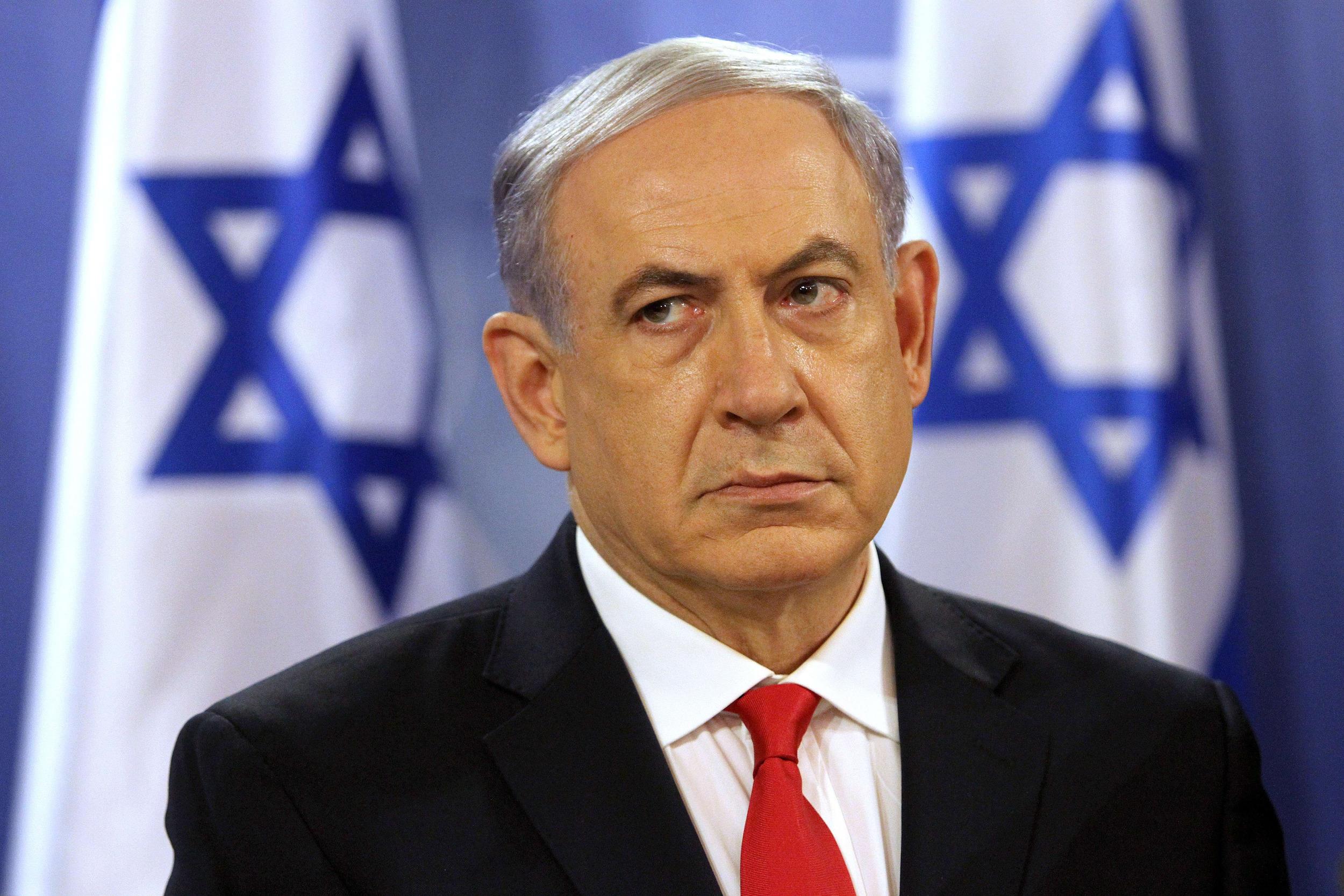
Israel marks 3 years since October 7 Hamas attack amid Gaza strikes, election debate
-

 Energy6 days ago
Fuel Battle: Dangote, marketers and government clash over petrol imports
-
 Energy1 week ago
Petrol, diesel prices rise 86% in 2026 as costs hit fresh highs
-

 Football1 week ago
Nigeria’s World Cup exit under spotlight as FIFA’s DR Congo files emerge
-
 Energy1 week ago
Has Iran lost control of the Strait of Hormuz? Oil flows rebound as war disruptions persist
-

 Latest1 day ago
Full List: Meet the 2026 Nobel Prize winners across six categories
-

 Latest7 days ago
US Court set to rule on release of FBI, DEA records on Tinubu
-
 Business7 days ago
Nigerian investors at a crossroads as fixed-income yields slide