
Business
Investors now sideline Nigeria for Ghana, says report

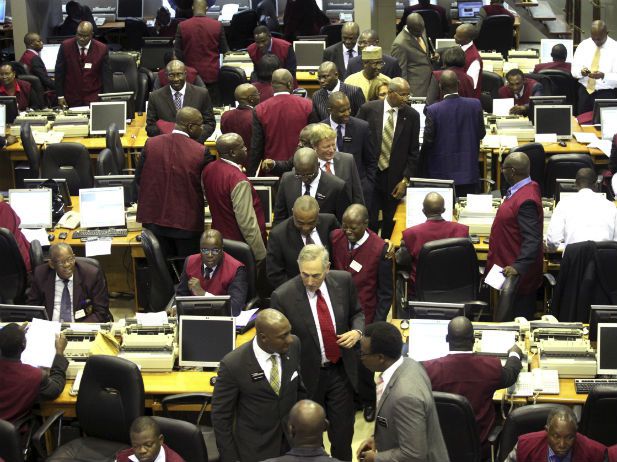
Nigeria’s West African neighbor, Ghana, is now the darling of foreign investors who have now abandoned Nigeria due to policies inconsistency.
Ghana, which was described as one with slowing economy, creeping inflation, and a declining currency in fourth quarter 2019, has turned investors’ delight just six weeks in the New Year.
According to report by Bloomberg, Ghana’s local currency, Cedi, is currently the best-performing currency in the world, and investors are rushing to buy into its $3 billion Eurobond issue and in fact, those who did not want to spend due to Ghana’s slow economy last year, are now the ones moving for fiscal prudence and financial reforms.
According to strategists, Jason Daw and Phoenix Kalen, the Ghanaian cedi bonds were highly recommendable.
“We have been too cautious on Ghana, It has been the best-performing major market in Africa in the past two months, attributable to greater fiscal discipline, commitment to reforms, and improved currency management.”
Ghana’s Eurobond yield was said to have sold five times the amount on offer two weeks ago. At the first local-currency bond sale of the year on January 16, foreign investors bought more than 80% of the 1.4 billion cedis ($258.3 million) of securities, compared with average holdings of 37% over the past two years.
This is all as a result of the reforms Ghana underwent three years ago. Some of the reforms include outlawing large deficits, an aggressive banking-sector overhaul that cut the number of lenders by a third to 23, lowering liquidity and credit risks, among others.
ALSO READ: CBN decries international money transfers in foreign currencies
Also, the West African country’s central bank has been effective in lowering inflation, which has been in single digits for two years even after an uptick in November. The regulator also started foreign-exchange forwards auctions in October to support the currency.
Just like they say, hard work pays off, the reforms can be seen in Ghana’s performance of its assets. Yields on existing Eurobonds have dropped to record lows, and the cedi has gained 6.6% since the beginning of January, well ahead of the 2.4% advance for the second-best currency, the Egyptian pound. That’s wiped out more than half of last year’s 13% slump.
Meanwhile, while cedi is thriving, the naira is clearly struggling to meet up with expectations as the Central Bank of Nigeria recently launched a five-year long-dated FX Futures. The development was aimed to reduce potential FX exposures, encourage long-term planning and increase investments in the Nigerian financial markets.
With this new contract, the CBN plans to attract more foreign inflows, shore up dwindling dollar reserves and reduce rising pressure on the naira. At a time where experts have called for the devaluation of the naira, the CBN has basically bought time for the currency in the face of mounting pressure on its stability to the dollar.


-

 Latest6 days ago
US Immigration fees rise from October 16 as USCIS announces new charges
-
 Latest18 hours ago
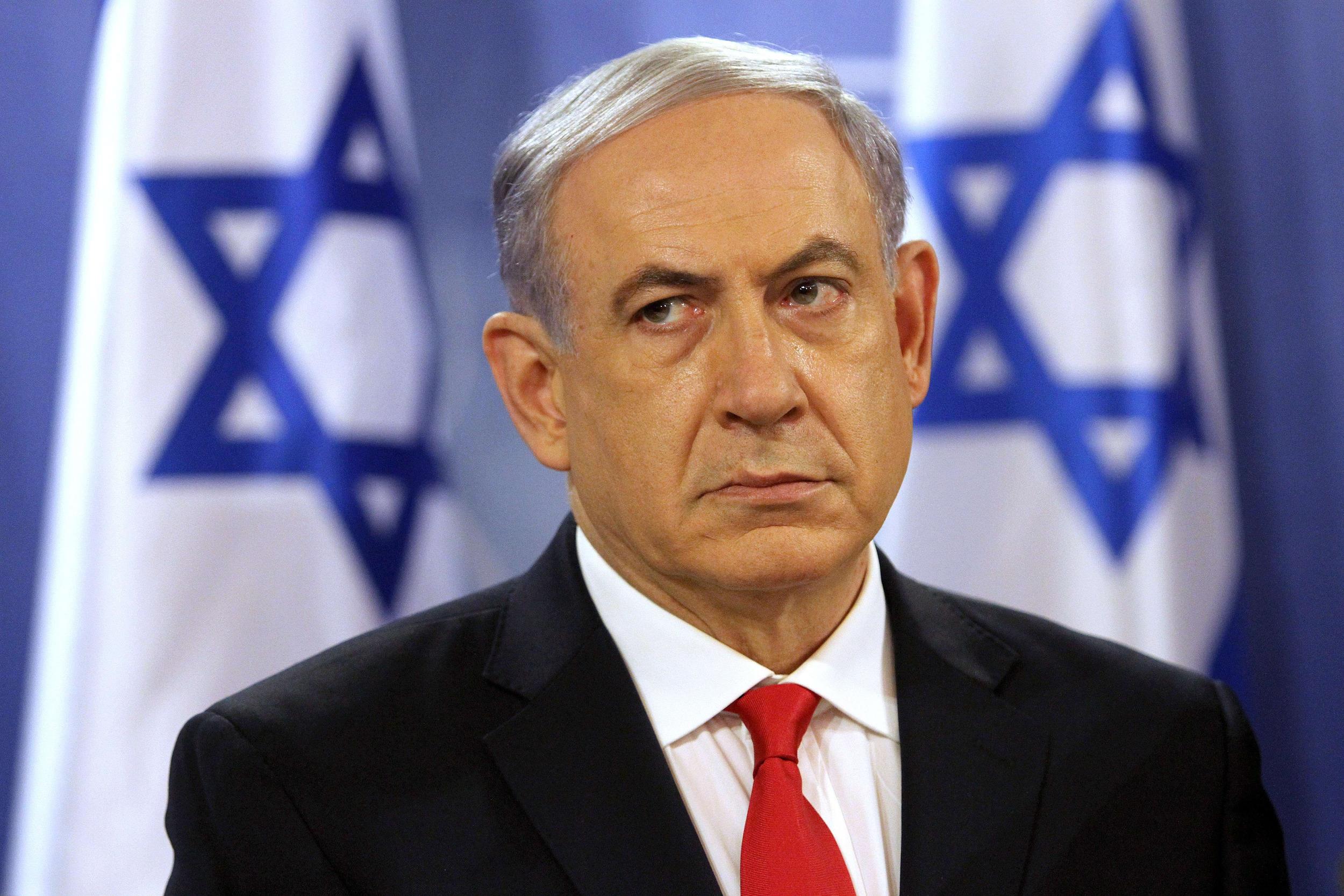
Israel marks 3 years since October 7 Hamas attack amid Gaza strikes, election debate
-

 Business5 days ago
Nigeria’s $55bn reserves raise fresh questions over naira value
-

 Health5 days ago
Florida sues Pfizer over deceptive COVID-19 vaccine marketing
-

 Business7 days ago
Tuoyo Erikowa wins digital marketing personality of the Year at 2026 EDGE awards
-

 Crime5 days ago
From camp to captivity: How kidnappers now target NYSC Corps members on highways
-

 Featured5 days ago
2027: Can Nigeria’s opposition still unite behind a single presidential candidate?
-

 Crime5 days ago
Fulani Militia leader linked to Christian killings arrested in Plateau