
Featured
Justice denied worsens mental illness among deaf women affected by GBV

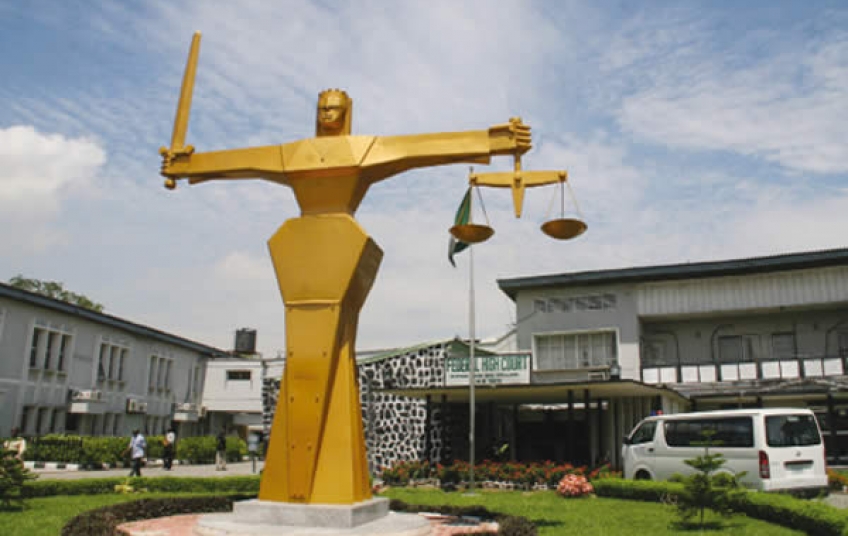
As violence against deaf women spirals upwards in Nigeria, the Deaf Women Association of Nigeria (DWAN) has expressed concerns about the challenges victims face while seeking justice.
At a stakeholders forum on “Body Autonomy: The place of consent, negotiation and assertiveness” held in Lagos on Saturday, the state chapter of the association said governments at all levels must be intentional about guaranteeing justice; otherwise, more deaf women will slide into a lifetime of mental disorder.
According to Yemisi Isado, the chairperson of DWAN in Lagos, communication barrier remains a major problem for deaf women with GBV experience, and this means not getting justice.
“Imagine a woman who is deaf but wishes to report a physical or sexual assault against her in the police station. That is where your trauma begins automatically because police officers can’t make sense of the experience you are struggling to report,” she said.
According to her, if a victim cannot afford the cost of hiring a professional sign language interpreter to help marshal her points, the only alternative is to go back and nurse the mental effect.
Violators of deaf women in Nigeria include spouses, caregivers, family and friends inflicting a battery of abuses—sexual, physical, psychological, emotional, and other forms of gender-based violence (GBV).
Isado herself is a victim, having lost a tooth among other injuries she endured in 20 years of her marriage.
Aside from communication barrier, widespread perception of women with auditory impairment as useless and helpless also aggravates the ordeals of deaf GBV victims, she said.
“Rather than punishing offenders for the sexual and physical assaults they unleashed on deaf women, police officers collude with families, community and religious leaders to persuade the already traumatised survivor to a marriage deal with her predator.”
The experience of barriers and denials is no less aggravated in the judiciary, the deaf women group lamented.
“The courts across Nigeria are not equipped with sign language interpreters. So many of our women who desire justice are now abandon their pursuit because they can’t afford hiring a lawyer in the first place, how much less paying extra money for the service of an interpreter,” she said.
While explaining body autonomy as sexual rights for everyone, Tomisin Adeyefa, disability rights advocate and keynote speaker at the stakeholders forum, said women in Nigeria are still subjected to silence, coercion, and fear.
They suffer too from having no access to information and facilities that would help improve their sexuality and sexual health.
Tomisin argued further that although consent is the expression of agreement from one or both parties involved in a sexual activity, an average woman with disability depends on others for support.
Such dependence, she noted, leads to forced consent, “and when consent is withdrawn, the woman is tagged ungrateful”.
“This is why several cases of molestation, harassment and outright sexual assault continue to thrive among this community.”
She advised women and girls with disabilities to develop negotiation skills in order to be firm and assertive in prevent exploitation and violation.


-
 Latest6 days ago
Israel marks 3 years since October 7 Hamas attack amid Gaza strikes, election debate
-

 Energy6 days ago
Fuel Battle: Dangote, marketers and government clash over petrol imports
-

 Energy1 week ago
Petrol, diesel prices rise 86% in 2026 as costs hit fresh highs
-

 Football7 days ago
Nigeria’s World Cup exit under spotlight as FIFA’s DR Congo files emerge
-

 Energy1 week ago
Has Iran lost control of the Strait of Hormuz? Oil flows rebound as war disruptions persist
-

 Latest22 hours ago
Full List: Meet the 2026 Nobel Prize winners across six categories
-
 Latest7 days ago
US Court set to rule on release of FBI, DEA records on Tinubu
-

 Business7 days ago
Nigerian investors at a crossroads as fixed-income yields slide