
NCC
Lines withdrawn from telecom operators were redundant – NCC

By Adedeji Fakorede
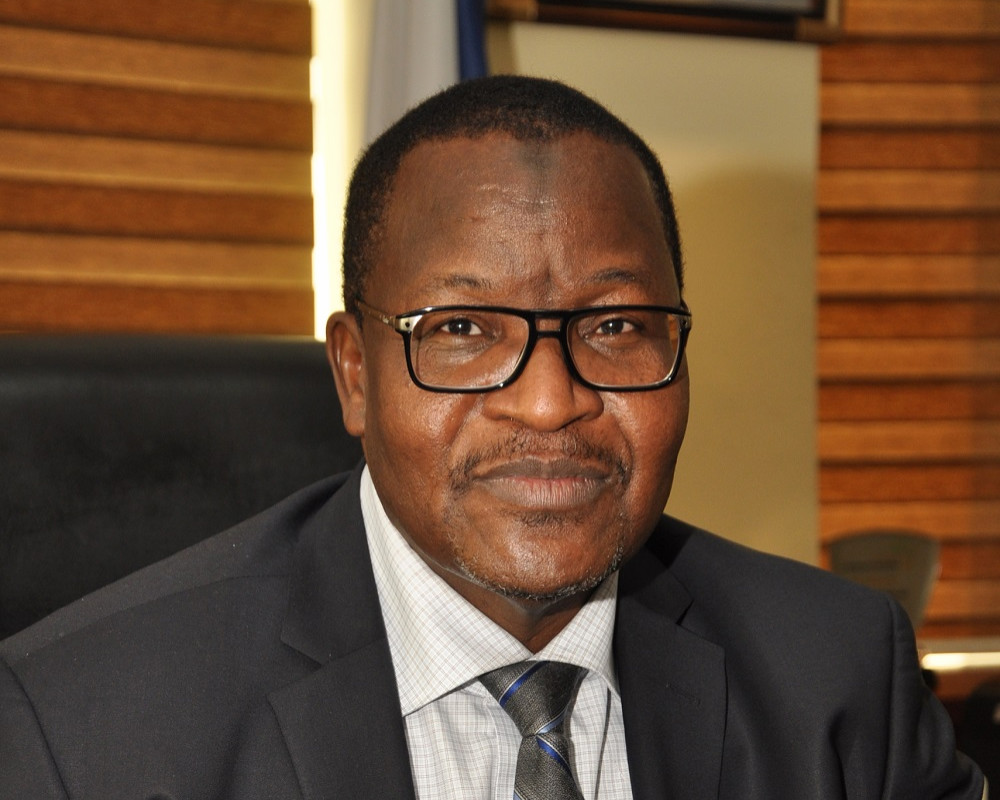
The Executive Vice Chairman of the Nigerian Communications Commission on Thursday said the 36.6 million telephone lines withdrawn from telecom operators in March this year were found to be redundant.
Danbatta spoke in Abuja on the sideline of the 84th Edition of Telecom Consumer Parliament.
National Daily gathered that about 36.6 million telephone lines have been withdrawn from some telecommunications operators from the National Numbering Plan by NCC.
He said: “Those are lines that are redundant. We always give statistics about active lines. We have noticed that the teledensity growing, steadily growing for six to seven months and has exceeded 150 million mark.
“It is expected of NCC that resources that are not being put into use were withdrawn so that this can in turn be a sign to all operators so that they can put them in good use and activate them.
“These are redundant lines that were withdrawn and if something is redundant, it means they are not being put to use.
“We do not have time to allow resources to waste. The intention is to ensure that all resources at our disposal, number resources and spectrum resources, are put into good use and to the benefit of this country.”
Danbatta also said that NCC, in partnership with stakeholders, has deployed based transceiver stations in rural areas in order to bridge access gaps.
He said: “We are doing this at the rate of about 10 per annum and going by the number of access gaps, it is going to take the NCC close to 20 years to close all access gaps.
“The rural population does not have the time to wait; they are not going to be patient for 20 years without access to telecommunication services.
“Therefore, there is need to find ingenious ways to close these gaps within a short time and technology fortunately for us presents itself by solving this problem.”
He said NCC, through a pilot scheme, has also deployed technology solution in three locations in the country to bridge telecommunication access gap.
Danbatta said: “We intend, therefore, in partnership with the owners of these technology here in Nigeria, to reciprocate the deployment beyond the pilot so that we can close 20 of those access gaps and then see what happens.
“But by my estimation we can, through rural technology solution, bridge the gaps in about three to four years.”





-

 Latest5 days ago
US Immigration fees rise from October 16 as USCIS announces new charges
-
 Latest11 hours ago
Israel marks 3 years since October 7 Hamas attack amid Gaza strikes, election debate
-

 Business5 days ago
Nigeria’s $55bn reserves raise fresh questions over naira value
-
 Health5 days ago
Florida sues Pfizer over deceptive COVID-19 vaccine marketing
-

 Business6 days ago
Tuoyo Erikowa wins digital marketing personality of the Year at 2026 EDGE awards
-

 Crime5 days ago
From camp to captivity: How kidnappers now target NYSC Corps members on highways
-

 Featured5 days ago
2027: Can Nigeria’s opposition still unite behind a single presidential candidate?
-

 Crime4 days ago
Fulani Militia leader linked to Christian killings arrested in Plateau