
Featured
Loans Repayment: China’s reaction heightens fear about sovereignty

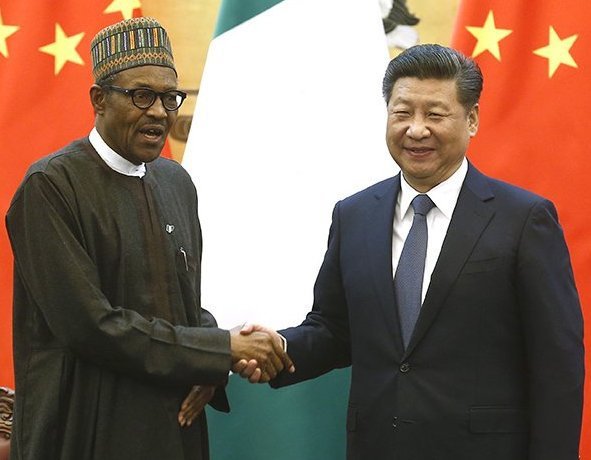
Transport Minister Rotimi Amaechi has revealed China is worried Nigeria is unwilling to pay backlogs of loans it owes, and the Asian giant is also concerned about handing out more.
And the federal government seem worried, too, about the lender’s anxiety.
China’s concern came after an uproar about sovereignty which the National Assembly kicked off following hidden clauses—that the lender will take over Nigeria’s assets in case of default—the lawmakers claimed the executive buried in the Chinese loan contracts.
“You know, I specifically urged the National Assembly to please be careful about this probe on the loan agreements. It is because we are trying to make an application for the Port Harcourt Maiduguri rail,” Amaechi said during a live television programme featuring him and AGF Abubaka Malami Tuesday.
Both ministers insisted that Nigeria’s sovereignty was not at risk in the country’s loan agreements with China, as recently claimed by the National Assembly.
“If nothing else is happening, you know that our brothers are already saying that we don’t want to do any rail project in the South-East.
“Now that we are planning to say that they should give us some loan for us to construct Port Harcourt to Maiduguri, and we are about to go to cabinet for approval, you are now shouting these terms are bad, Chinese people are wicked.
“How will they give you the money? I have documents to the effect that we are getting signals that they are becoming a bit apprehensive on whether we are doing this because we don’t want to pay them back,” he said.
According to Amaechi, Nigeria is servicing the $500 million it borrowed for the Abuja-Kaduna railway, and that Nigeria must learn to pay back its loans.
“Nobody has signed out anything. A sovereign nation is a sovereign nation; nobody can recolonise us. We must learn to pay our debts and we are paying, and once you are paying, nobody will come and take any of your assets.”
On his part, Malami explained that there was a difference between international diplomatic immunity, which had to do with a nation’s sovereignty, and commercial immunity, which had to do with a commitment to ensure repayment of loans.
He said the misconception was that the National Assembly was looking at the diplomatic immunity as against the commercial immunity of a country that had to do with loans.


-
 Latest1 week ago
Israel marks 3 years since October 7 Hamas attack amid Gaza strikes, election debate
-

 Energy7 days ago
Fuel Battle: Dangote, marketers and government clash over petrol imports
-

 Latest2 days ago
Full List: Meet the 2026 Nobel Prize winners across six categories
-

 Football1 week ago
Nigeria’s World Cup exit under spotlight as FIFA’s DR Congo files emerge
-
 Latest1 week ago
US Court set to rule on release of FBI, DEA records on Tinubu
-

 Business1 week ago
Nigerian investors at a crossroads as fixed-income yields slide
-

 Latest1 week ago
Oyo APC crisis deepens as Oluyole reconciliation meeting ends in brawl
-
 Featured6 days ago
103 Million Voters: What does INEC’s new register say about Nigeria’s population?