
Business
Monetary policy too weak to curb inflation, says NECA

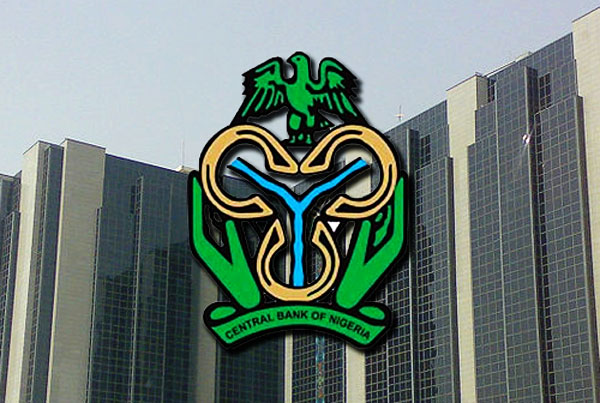
With Nigeria’s inflation rate still at double digit—16.25 percent in May, the Nigerian Employers’ Consultative Association has said that the monetary policy of the Central Bank of Nigeria is too weak to significantly reduce inflation in the country.
The association argued at a press conference in Lagos on Thursday that the high level of inflation in the context of a recession and rising unemployment showed the impact of conflicting policy measures.
While recognizing the narrowing economic contraction and moderate decline in inflation in the first quarter of the year, the President, NECA, Mr. Larry Ettah, said the continued existence of stagflation called for reduction in the cost of borrowing.
“The economy is in recession and we need to stimulate it by bringing down the interest rate,” he said.
The Consumer Price Index, which measures inflation, moderated for a third consecutive month in April, reducing slightly to 16.25 per cent from 17.24 per cent year-on-year in May.
He noted that in other climes, it was an acceptable practice in a recession to introduce reflationary fiscal policy and monetary easing, including interest rate reduction.
Ettah said the assumption that a tight monetary policy would constrain inflation and ease pressure on the naira was wrong.
He said, “It is accepted practice in economic management in most jurisdictions that the correct posture in a recession is a reflationary fiscal policy and monetary easing, including reducing interest rates. Instead, the CBN has maintained a tight monetary policy and raised interest rates.
ALSO SEE: NAICOM explains delay in financial statements, releases approved companies
“We are of the view that this approach is sub-optimal and has failed.”
According to the NECA president, manufacturers and private sector employers are contending with a triple effect of recession, high inflation and high interest rates caused by wrong policy choices made by the monetary authorities.
The association called on the CBN to consider lowering interest rates and specifically reduce the Monetary Policy Rate, which has been kept at 14 per cent since July 2016.
Ettah pointed out that one of the negative outcomes of the high interest rate was the crowding out of the private sector from credit facilities by the government.







-

 Featured5 days ago
Inside INEC’s race to prepare for Nigeria’s 2027 elections
-

 Featured5 days ago
2027: APC unveils nationwide campaign timetable, Tinubu to rally in 12 states
-

 Latest7 days ago
UCTH faces morgue crisis as 50 unclaimed corpses await mass burial
-

 Aviation1 week ago
Germany opens online application route for student, EU Blue Card and other long-stay visas
-

 Business7 days ago
BREAKING: Nigeria’s Inflation Rate Drops to 14.63% in September
-

 Business6 days ago
President Tinubu and the Low Transport Fares Fiasco
-
 Business5 days ago
Court dismisses ₦170m Trade Fair contract claim, says Zenith Bank was not a party
-
 Business2 days ago
Naira faces exchange rate gap as Dollar hits N1,380 on parallel market