
Agribusiness
Preserving Africa’s Food Security: Navigating Concerns Over GMOs and Hybrid Seeds

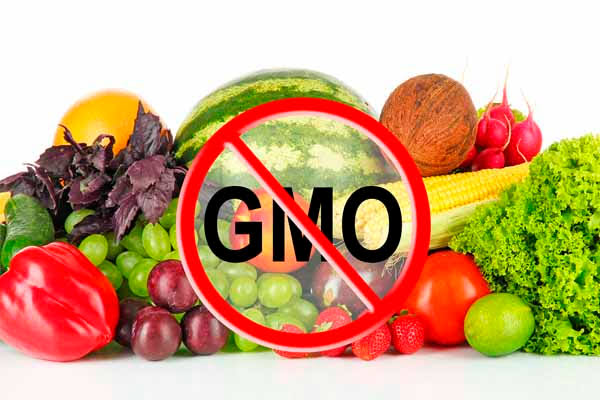
Striking a balance between innovation and sustainability in the face of food security challenges.
As Africa grapples with the urgency of ensuring food security for its burgeoning population, the debate over Genetically Modified Organisms (GMOs) and hybrid seeds has taken center stage. While these technological advancements hold the promise of increased yields and improved resilience, concerns linger over their potential threats to biodiversity and the livelihoods of local farmers.
Africa’s diverse climate and agricultural practices necessitate a nuanced approach to addressing food security. Proponents of GMOs and hybrid seeds emphasize their potential to enhance crop productivity and withstand environmental stresses. However, critics point to the risks of gene flow to wild species and the potential loss of traditional crop varieties. Such unintended consequences could disrupt delicate ecosystems and strain local food systems.
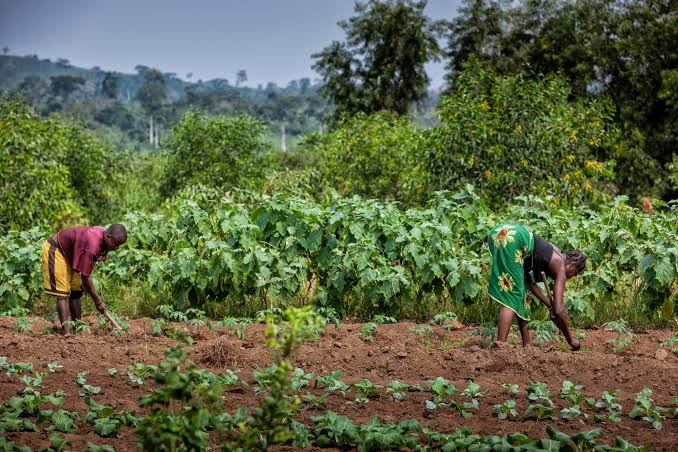
The impact on local farmers cannot be overlooked. Traditional farmers have for generations practiced seed-saving and selective breeding, contributing to agricultural diversity. The introduction of GMOs and hybrid seeds could potentially marginalize these farmers and disrupt their traditional practices, leading to a loss of cultural heritage and self-sufficiency.
To ensure a sustainable future, African nations must carefully assess the benefits and risks associated with GMOs and hybrid seeds. Robust regulatory frameworks are needed to ensure that these technologies undergo rigorous safety assessments before widespread adoption. At the same time, investments in research and capacity building can empower local farmers to make informed decisions and mitigate potential negative effects.
READ ALSO: food Nigeria can break chain of poverty through food security, says AbdulRazaq
Furthermore, promoting agroecological approaches and indigenous knowledge can offer a more balanced solution. Agroecology emphasizes natural processes, biodiversity, and local resource management, aligning with the continent’s diverse ecosystems. By embracing these principles, Africa can enhance food security while preserving its rich biodiversity and cultural heritage.
In the pursuit of food security, Africa stands at a critical juncture. The delicate task at hand involves embracing innovation without compromising the delicate balance of nature and local traditions. By fostering a collaborative dialogue between scientists, policymakers, and local communities, the continent can navigate the complex terrain of GMOs and hybrid seeds, safeguarding both its food supply and its environmental resilience.














-
 Latest6 days ago
Israel marks 3 years since October 7 Hamas attack amid Gaza strikes, election debate
-

 Energy6 days ago
Fuel Battle: Dangote, marketers and government clash over petrol imports
-

 Energy7 days ago
Petrol, diesel prices rise 86% in 2026 as costs hit fresh highs
-

 Energy1 week ago
Has Iran lost control of the Strait of Hormuz? Oil flows rebound as war disruptions persist
-

 Football7 days ago
Nigeria’s World Cup exit under spotlight as FIFA’s DR Congo files emerge
-

 Latest6 days ago
US Court set to rule on release of FBI, DEA records on Tinubu
-

 Business6 days ago
Nigerian investors at a crossroads as fixed-income yields slide
-

 Business1 week ago
LoveWorld Trade and Investment Forum to Convene Business Leaders in Accra