
Business
NCC sounds alarm on telecom talent exodus, calls for urgent measures to secure industry future

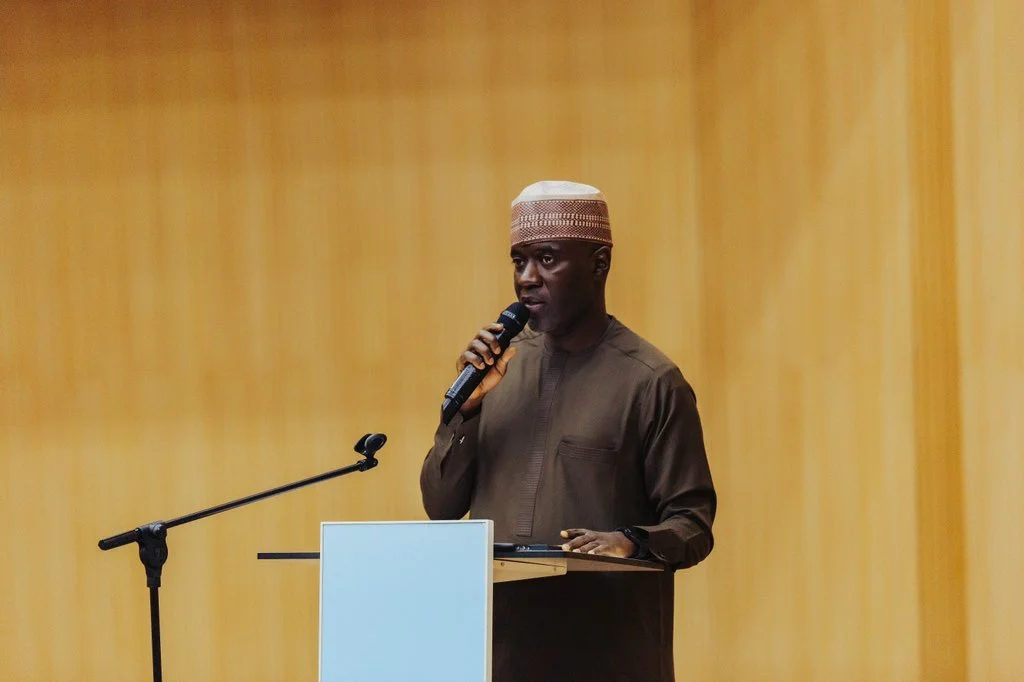
In a move to address the escalating talent drain in Nigeria’s telecommunications sector, the Nigerian Communications Commission (NCC) has called for immediate action to retain skilled professionals and prevent further losses.
The NCC expressed concern over the alarming rate of talent migration, revealing that over 500 software engineers and more than 2,000 trained telecom professionals left the country in 2022 alone. This exodus poses a significant threat to the growth and sustainability of the telecom industry.
Speaking at the fifth Telecom Sector Sustainability Forum (TSSF 5.0), themed “Mitigating the Effects of Talent Exodus and its Impact on the Growth of Nigeria’s Telecommunications Industry,” NCC Executive Vice Chairman, Dr. Aminu Maida, emphasized the urgent need for reforms. Represented by NCC Lagos Zonal Controller, Tunji Jimoh, Maida highlighted the global demand for tech talent as a key factor driving Nigeria’s brightest professionals to seek better opportunities abroad.
“The talent migration trend, if left unchecked, risks creating a critical skills gap that could jeopardize the future of Nigeria’s telecommunications industry,” Maida warned.
He called on telecom companies to take proactive measures, such as adopting flexible work policies, offering competitive remuneration packages, and fostering a culture of innovation. According to Maida, creating an environment that values and nurtures talent is essential to retaining skilled professionals and ensuring the sector’s continued growth.
Citing a report from the Association of Telecoms Companies of Nigeria (ATCON), Maida described the loss of trained professionals as a major setback. He explained that the exodus directly affects innovation and development, hindering the sector’s ability to compete globally.
To tackle this challenge, Maida urged telecom operators to adopt modern workforce strategies. “Remote work options, continuous learning opportunities, and collaborative environments that inspire creativity will make the local telecom sector more appealing to professionals who might otherwise seek opportunities abroad,” he said.
He also advocated for stronger partnerships between telecom companies and educational institutions to develop programs tailored to industry needs. Such collaborations, he argued, would help close the talent gap and build a robust pipeline of young professionals eager to contribute to the sector’s growth.
The NCC reaffirmed its commitment to mitigating talent migration through initiatives promoting indigenous content and strengthening digital infrastructure. Dr. Maida highlighted the Commission’s participation in the “3 Million Technical Talent (3MTT)” program initiated by the Ministry of Communications, Innovation, and Digital Economy. The initiative aims to train three million Nigerians in digital and technical skills by 2027, ensuring a steady supply of qualified professionals for the industry.
As the telecom sector grapples with the challenges of talent migration, the NCC’s call for action underscores the need for collective efforts to create a thriving, sustainable industry capable of competing on a global scale.


-

 Latest1 week ago
Full List: Meet the 2026 Nobel Prize winners across six categories
-

 Football7 days ago
Premier League Matchweek 7: Five Fixtures That Could Shape the Weekend
-

 Business5 days ago
Dangote Refinery IPO: 70% Subscription claim meets fourfold demand assertion as investors seek clarity
-

 Latest6 days ago
Umahi defends Lagos-Calabar highway route changes amid public outcry
-
Business6 days ago
Dangote Refinery IPO Extension: Was the 70% subscription report overhyped?
-

 Latest4 days ago
UCTH faces morgue crisis as 50 unclaimed corpses await mass burial
-

 Business4 days ago
BREAKING: Nigeria’s Inflation Rate Drops to 14.63% in September
-

 Featured6 days ago
El-Rufai, ADC governorship candidate’s court appearance puts Kaduna opposition politics in focus