
Latest
Rising debt: ActionAid says every Nigerian newborn owes N691,000

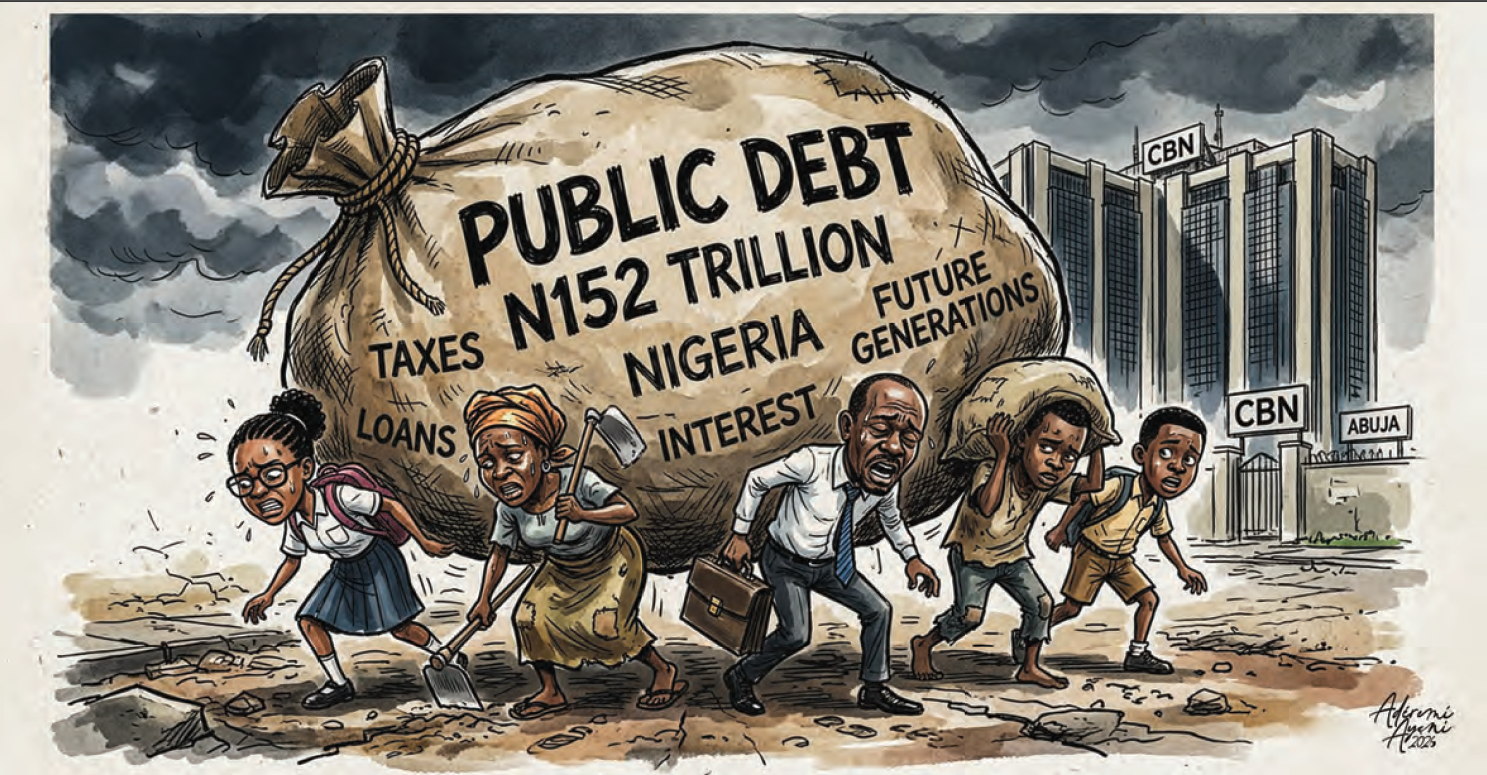
A non-governmental organisation, ActionAid Nigeria, has expressed concern over Nigeria’s growing debt profile, warning that the country’s rising obligations now translate into an estimated N691,000 debt burden for every newborn child.
Country Director of the organisation, Andrew Mamedu, made the assertion on Monday during an interview on Arise Television, where he addressed the implications of Nigeria’s increasing public debt despite recent economic reforms.
Mamedu’s comments come amid ongoing debates over the Federal Government’s fiscal policies, including the removal of fuel subsidy and the floating of the naira—measures introduced to stabilise public finances and reduce pressure on government expenditure.
“With Nigeria’s rising debt now, it means that a newborn baby already starts life owing about N691,000,” he said, highlighting the scale of the country’s debt when distributed across its population.
While clarifying that borrowing in itself is not inherently problematic, Mamedu stressed the need for responsible and transparent fiscal management.
READ ALSO: Nigeria’s foreign debt climbs 22% to $51.86bn under Tinubu administration
“There is nothing wrong with responsive borrowing. Governments worldwide, from China to the US, borrow, sometimes above their annual budgets,” he noted.
However, he emphasised that borrowing must be tied to clearly defined objectives and strict accountability frameworks, in line with fiscal responsibility principles.
“But responsible borrowing depends on clear purpose and accountability. Borrowing should not be for consumption, and the key concern is transparency in how funds are used,” he said.
According to him, loans should ideally be channelled into productive capital projects capable of generating economic returns sufficient to service and repay the debt over time.
“Ideally, it should follow a clear fiscal plan and be directed only to productive capital projects that can generate returns and repay the debt,” Mamedu added.
His remarks add to mounting calls from civil society groups and economic analysts for greater transparency in public finance management, particularly as Nigeria navigates economic reforms aimed at stabilising growth and reducing fiscal deficits.


-

 Latest6 days ago
Full List: Meet the 2026 Nobel Prize winners across six categories
-

 Football5 days ago
Premier League Matchweek 7: Five Fixtures That Could Shape the Weekend
-

 Latest5 days ago
Umahi defends Lagos-Calabar highway route changes amid public outcry
-
 Business4 days ago
Dangote Refinery IPO: 70% Subscription claim meets fourfold demand assertion as investors seek clarity
-
Business4 days ago
Dangote Refinery IPO Extension: Was the 70% subscription report overhyped?
-

 Latest3 days ago
UCTH faces morgue crisis as 50 unclaimed corpses await mass burial
-

 Featured5 days ago
El-Rufai, ADC governorship candidate’s court appearance puts Kaduna opposition politics in focus
-

 Business2 days ago
BREAKING: Nigeria’s Inflation Rate Drops to 14.63% in September