
News
Nigeria seeks global support in recovery of looted funds

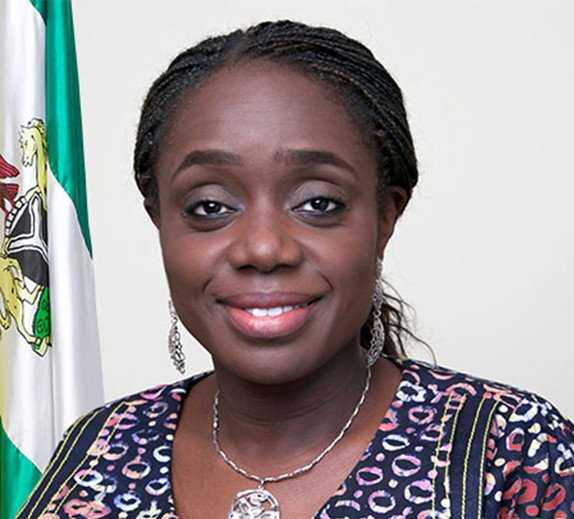
Nigeria has called for greater collaboration to combat illicit financial flows from Africa in order to deliver sustainable economic growth in the region.
While addressing the Global Parliamentary Conference which had in attendance parliamentarians from around the world at the ongoing IMF/World Bank Spring meetings in Washington DC, Finance Minister, Kemi Adeosun, stressed the need for strong executive and legislative collaboration.
According to her, when stolen money is transferred from Nigeria or other African countries, there are too few questions asked by those countries that receive the funds, but when we identify those funds as stolen and seek to recover them, there are too many questions being asked.
“There is money sitting in foreign bank accounts that we have spent over a decade trying to recover. That is money that could deliver significant value for Nigeria as we seek to increase spending on critical infrastructure and establish a basis for long term sustainable growth.
ALSO SEE: NIA boss’ wife, ex-governor, banker, among owners of Ikoyi building that housed billions of naira
Commenting on the domestic agenda to ensure significant reductions in ‘leakages’ of public funds, and improved efficiency in public expenditure, the minister said the federal government had been going after those who had stolen from government coffers.
She said: “We have put in place a very successful whistle blower programme that is delivering results, and allows those who report illicit activity to receive up to five per cent of any funds that we recover. We are also significantly improving our financial management controls to ensure that it is considerably more difficult for public funds to be diverted.
“We have to do more though and that means collaboration with the legislature. We need tighter tax and financial reporting legislation and to ratify bilateral agreements so that our enforcement agencies are empowered to deliver the results that we need.
“To create the basis for long term growth, we need to invest urgently in our infrastructure. Achieving energy sufficiency and achieving agriculture and food security are two of the execution priorities we have identified in the Economic Recovery and Growth Plan and we are looking forward to advancing our ongoing conversations with multilateral lenders on these priorities over the coming days as we look to accelerate implementation.”









-

 Latest1 week ago
Global excitement builds as Healing Streams Live Services returns October 23
-

 Featured7 days ago
Inside INEC’s race to prepare for Nigeria’s 2027 elections
-

 Business1 week ago
President Tinubu and the Low Transport Fares Fiasco
-
 Featured7 days ago
2027: APC unveils nationwide campaign timetable, Tinubu to rally in 12 states
-
 Business4 days ago
Naira faces exchange rate gap as Dollar hits N1,380 on parallel market
-
 Business7 days ago
Court dismisses ₦170m Trade Fair contract claim, says Zenith Bank was not a party
-
 Latest7 days ago
Breaking: NNPCL raises petrol price to ₦1,405 per litre amid discount controversy
-
 Business1 week ago
Rite Foods targets beverage market growth with LIDA Malt