
Business
Nigeria’s inflation on the rise again

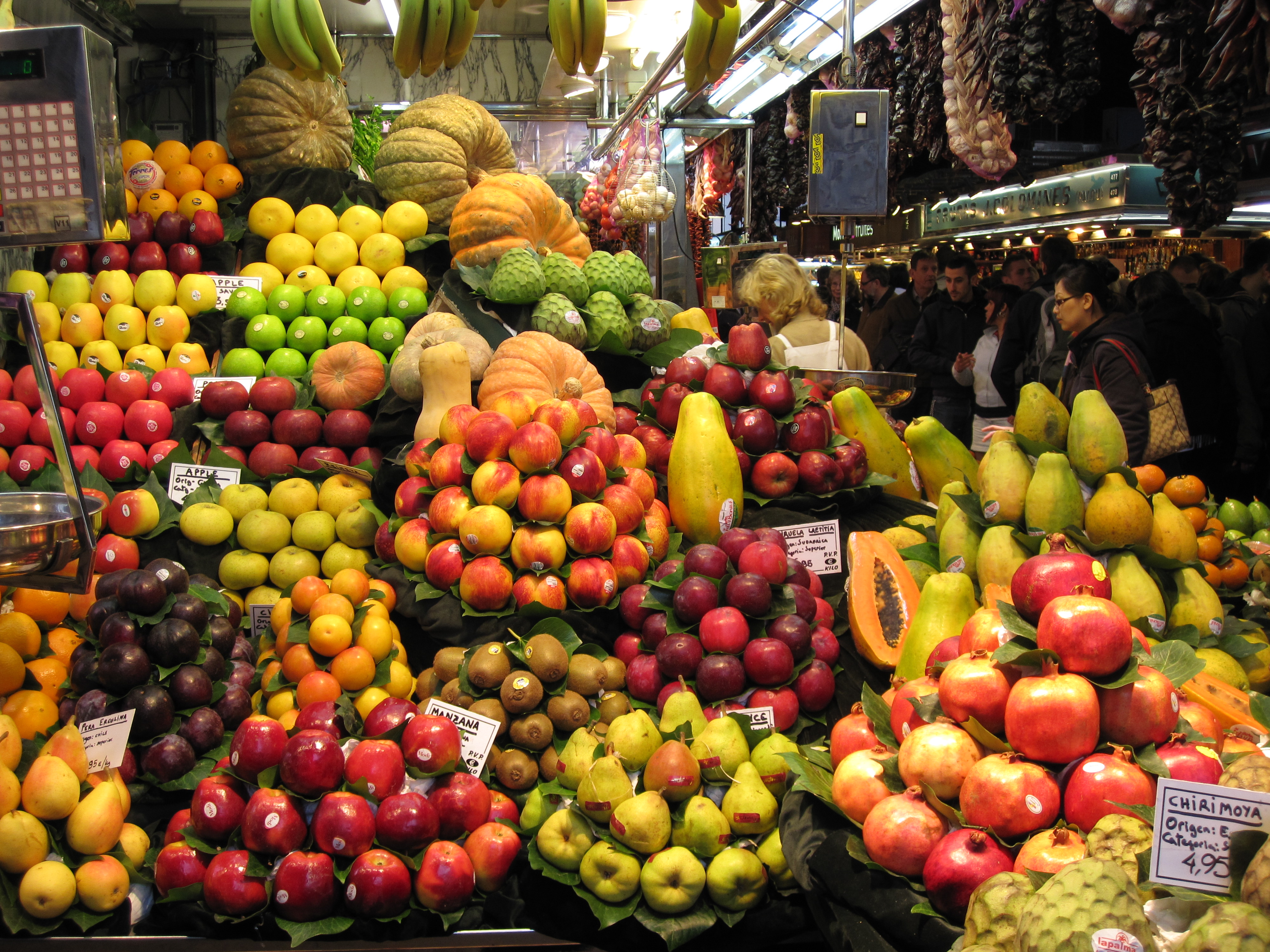
Nigeria’s inflation rate is on the rise again having recorded increases in August and September.
The National Bureau of Statistic (NBS), in its latest CPI report published on Tuesday, said the figure climbed again, albeit marginally, by 1.05 per cent, from 11.23 per cent in August to 11.28 per cent in September.
The report showed that food inflation rose to about 13.31 per cent, from 13.16 per cent in the previous month.
Despite the rising figures, the NBS said core inflation, which reflects the actual inflation figure for the country’s economy dropped marginally to about 9.8 per cent from 10 per cent, a movement analysts say is close to government target of single inflation rate in the foreseeable future.
Going by the inflation report released by the bureau on Tuesday, this is the second consecutive month of inflation rise after 18 consecutive months of decline.
“On a month-on-month basis, the Headline index increased by 0.84 percent in September 2018, down by 0.21 percent points from the rate recorded in August 2018 (1.05) percent,” the report read.
“The urban inflation rate increased by 11.70 percent (year-on-year) in September 2018 from 11.67 percent recorded in August 2018, while the rural inflation rate increased by 10.92 percent in September 2018 from 10.84 percent in August 2018.
“On a month-on-month basis, the urban index rose by 0.86 percent in September 2018, down by 0.14 from 1.00 percent recorded in August, while the rural index also rose by 0.82 percent in September 2018, down by 0.14 percent from the rate recorded in August 2018 (0.96) percent.
“The composite food index rose by 13.31 percent in September 2018 compared to 13.16 percent in August 2018.”
However, the food sub-index was one percent in September compared to the 1.42% recorded in August 2018.
The food items that caused the increase in food inflation were caused by increases in the prices of potatoes, yam, vegetable, fruits, meat, milk, cheese, egg, bread, fish and cereals.
The farmer-herdsmen crisis and most recently, flooding in some parts of the country, have resulted in a drop in food production.
It was on the grounds of the farmer-herdsmen crisis that the World Bank cut its growth projection for Nigeria from 2.1% to 1.9%.


-

 Featured1 week ago
Inside INEC’s race to prepare for Nigeria’s 2027 elections
-

 Featured1 week ago
2027: APC unveils nationwide campaign timetable, Tinubu to rally in 12 states
-
 Business5 days ago
Naira faces exchange rate gap as Dollar hits N1,380 on parallel market
-
 Business1 week ago
Court dismisses ₦170m Trade Fair contract claim, says Zenith Bank was not a party
-
 Latest1 week ago
Breaking: NNPCL raises petrol price to ₦1,405 per litre amid discount controversy
-

 Football2 days ago
Man United shortlist Emery, Nagelsmann as potential replacements for Carrick
-

 Business1 week ago
NCC launches Internet Governance Working Group to tackle AI risks, boost online safety
-

 Business2 days ago
Hoodlums raid JED Benue office, abduct 10 staff over power dispute