
Business
Nigeria’s inflation rate increases 24 times in two years

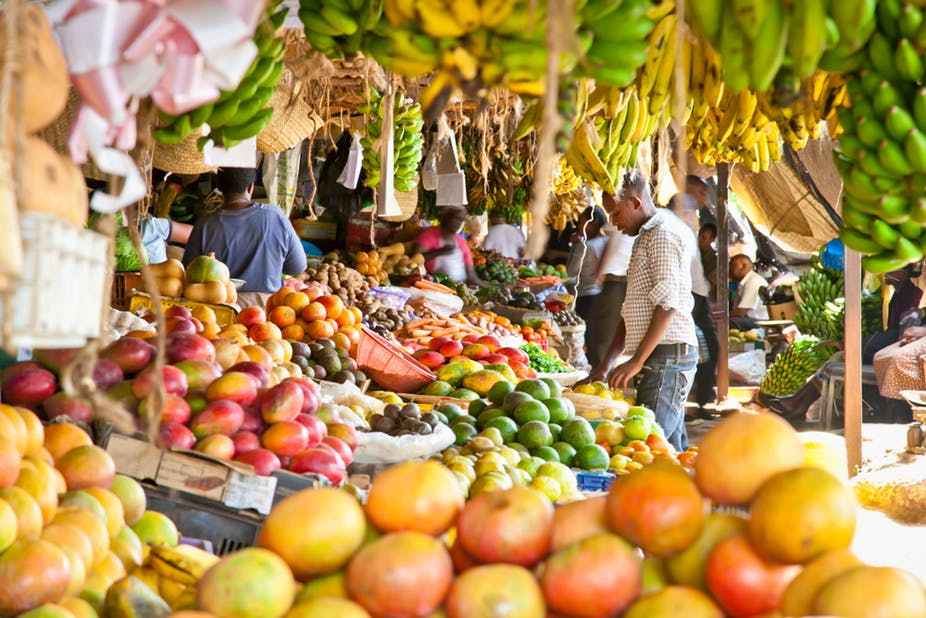
Inflation rate in Nigeria has increased 24 times in the last 25 months (two years), according to an analysis of the Commodity Price Index reports published by the National Bureau of Statistics.
The analysis showed that between October 2021 and October 2023, Nigeria’s inflation increased 24 times, with a singular exception of December 2022 when it slowed to 21.34 per cent from the 21.47 recorded in November 2022.
During the period in review (Oct 2021 – Sep 2023), inflation has increased from 15.99 per cent to 27.33 per cent.
According to Investopedia, inflation is a rise in prices, which can be translated as the decline of purchasing power over time. It is the rate at which purchasing power drops can be reflected in the average price increase of a basket of selected goods and services over some period of time.
The rise in prices, which is often expressed as a percentage, means that a unit of currency effectively buys less than it did in prior periods.
For instance, two years ago, a monthly salary of N100, 000 and monthly expenses of N50, 000 reflected a 50 per cent spending of the salary on monthly costs.
Fast-forward to 2023, the monthly salary is the same, but the prices of goods are at a record high. This means that more than 50 per cent of the monthly salary will be spent on the same expenses, affecting the amount saved every month.
READ ALSO: Inflation: Malawi’s president suspends foreign travel for himself and cabinet members
In a report released in June, the NBS said that the continued depreciation of the naira and persistent inflation had eroded the N13.72tn that workers’ salaries gained in the last four years.
Also, in its Nigeria Development Update report for June 2023, the World Bank said that the accelerating inflation in Nigeria had pushed an additional four million Nigerians into poverty in the first five months of 2023.
The lender added that the loss of purchasing power from high inflation has increased poverty in the short term, pushing an estimated four million Nigerians into poverty between January 2023 and May 2023.
An economist at the Olabisi Onabanjo University, Prof. Sheriffdeen Tella noted that the 23 times inflation has increased in the past two years implies that more Nigerians have continued to fall into the poverty net with each increase.
According to him, the unrelenting inflationary pressure in the country has produced a cyclic effect which has spiralled from reduced purchasing power to reduced production which ultimately triggers layoffs (job losses) in the real sector of the economy.
He said, “Theoretically, when prices are rising, the real cost of living will be going down. Rising prices simply mean that what money can buy at one point, will not be able to buy the same volume at another time. That is what has made the cost of living to be very high, and the standard of living to fall.
“Apart from more being dragged into the poverty net, production will fall because people will start adjusting their consumption towards basic things like food. They may not even care about clothes. That is why in recent times the manufacturers association said that they have some goods that they cannot sell.”














-

 Featured5 days ago
Inside INEC’s race to prepare for Nigeria’s 2027 elections
-

 Featured5 days ago
2027: APC unveils nationwide campaign timetable, Tinubu to rally in 12 states
-

 Latest1 week ago
UCTH faces morgue crisis as 50 unclaimed corpses await mass burial
-

 Business7 days ago
President Tinubu and the Low Transport Fares Fiasco
-

 Business1 week ago
BREAKING: Nigeria’s Inflation Rate Drops to 14.63% in September
-
 Business5 days ago
Court dismisses ₦170m Trade Fair contract claim, says Zenith Bank was not a party
-
 Business3 days ago
Naira faces exchange rate gap as Dollar hits N1,380 on parallel market
-

 Latest6 days ago
Global excitement builds as Healing Streams Live Services returns October 23