
Energy
OPEC banks on developing countries to drive oil demands

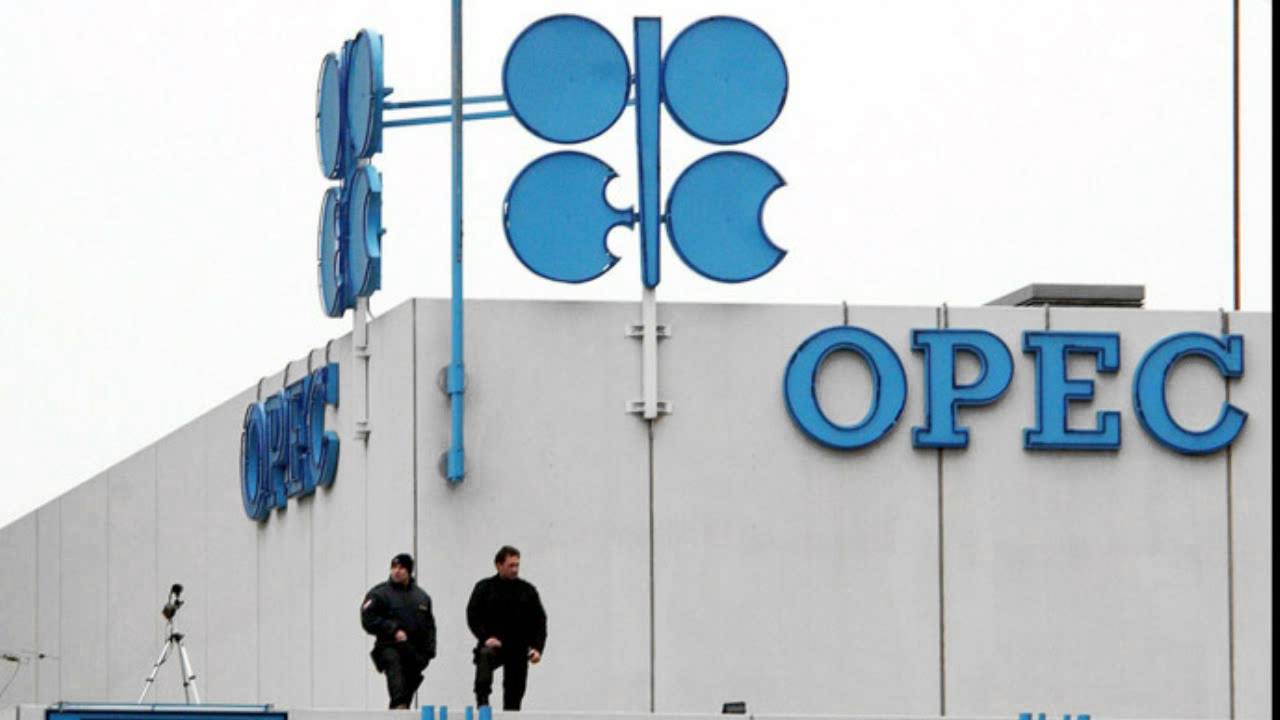
The Organization of Petroleum Exporting Countries (OPEC) has said that despite the campaign against petrol driven cars in developed countries, increased demand for cars in developing world would help drive oil demand growth over the coming two decades.
In its annual look at long-term developments likely to affect the energy market, OPEC said it expects growth in the global economy to be centred in developing nations, which will, in turn, spark a boom in car ownership.
The World Oil Outlook 2040 report estimates the size of the global economy to be 226 percent that of 2016, with developing countries accounting for three-quarters of the growth.
With their increasing income, people in developing nations are expected to splurge on cars, tripling their number on the road in the region to 1.2 billion. And while the OPEC report expects electric vehicles to make inroads in the market, it doesn’t expect them to drive out traditional internal combustion engines just yet.
“It can be concluded that the velocity of technical advances has accelerated substantially with the introduction of (battery electric vehicles), which are now considered a serious alternative to traditional gasoline and diesel passenger cars.”\
ALSO SEE: UK reacts to citizen’s death in abductors’ custody in Nigeria
However, OPEC noted that advances in internal combustion engines has also made them more efficient.
“It is expected that gasoline engines will retain their economic advantage for the build-up of new fleets in developing countries, while diesel will remain the main mover for commercial vehicles,” said the OPEC report.
That estimate takes into account increased efficiency measures and the adoption of electric vehicles in China and India. Otherwise, growth in oil demand would have been more than double.
In advanced economies that are members of the OECD club of nations the increasing adoption of electric vehicles and tighter efficiency regulations are expected to lead to a drop in demand by 7.2 million barrels per day.
Overall, OPEC forecasts demand for oil to increase to 111.1 million barrels per day in 2040, up from 95.4 million in 2015. That is up from the forecast of 109.4 million barrels per day in 2040 it made last year.
Fossil fuels are expected to still account for nearly three-quarters of energy production in 2040, despite the rapid growth of renewable energy sources.
An alternative scenario of rapid improvement in energy efficiency and adoption of electric vehicles would see oil demand peak sometime between 2035 and 2040.




-

 Latest7 days ago
Full List: Meet the 2026 Nobel Prize winners across six categories
-

 Football6 days ago
Premier League Matchweek 7: Five Fixtures That Could Shape the Weekend
-
 Business5 days ago
Dangote Refinery IPO: 70% Subscription claim meets fourfold demand assertion as investors seek clarity
-

 Latest6 days ago
Umahi defends Lagos-Calabar highway route changes amid public outcry
-
Business5 days ago
Dangote Refinery IPO Extension: Was the 70% subscription report overhyped?
-

 Latest4 days ago
UCTH faces morgue crisis as 50 unclaimed corpses await mass burial
-

 Featured6 days ago
El-Rufai, ADC governorship candidate’s court appearance puts Kaduna opposition politics in focus
-
 Business3 days ago
BREAKING: Nigeria’s Inflation Rate Drops to 14.63% in September