
Energy
OPEC may ease oil supply in June

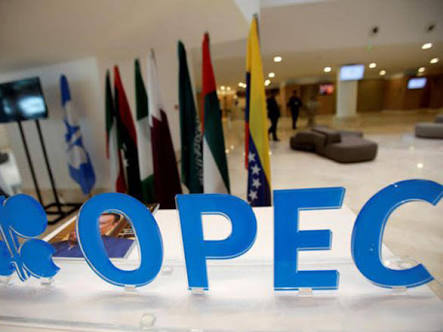
There are indications that the Organization of Oil Exporting Countries (OPEC) may decide to raise oil output as soon as June due to worries over Iranian and Venezuelan supply.
National Daily gathered that Gulf OPEC countries are leading the initial talks on when the exporting group can boost oil production to cool the oil market after crude rose above $80 (59.57 pounds) a barrel last week, and how many barrels each member can add.
The Organization of the Petroleum Exporting Countries and non-OPEC producers led by Russia have agreed to curb output by about 1.8 million barrels per day (bpd) until the end of 2018 to reduce high global oil stocks, but the inventory overhang has now fallen close to OPEC’s target.
“All options are on the table,” one Gulf oil source said, adding that a decision to raise output might be taken in June when OPEC next meets to decide on its output policy, but there is no certain number yet by how much the group would need to ease its oil supply curbs.
OPEC and its non-OPEC allies may opt to relax record high compliance with the supply curb agreement, another source said.
Meanwhile, falling Venezuelan output due to an economic crisis has helped OPEC and its allies deliver a bigger cut than intended.
Saudi Energy Minister Khalid al-Falih is set to meet his counterparts from Russia and the United Arab Emirates, which holds the OPEC presidency in 2018, in St. Petersburg this week to discuss this issue, sources said.
So far, OPEC has said it sees no need to ease output restrictions despite a fall in global stocks to the group’s desired levels and concerns among consuming nations that the price rally could undermine demand.
But the sources said that the quick decline in global oil inventories and worries about the impact on oil supplies after the U.S. decision to withdraw from the international nuclear deal with Iran, as well as Venezuela’s collapsing oil output, were behind the change in OPEC’s thinking.
Concerns raised by the United States that oil prices were too high also made the exporting group start internal discussions, the sources added.
U.S. President Donald Trump accused OPEC last month of “artificially” boosting oil prices.
Last week, Falih, OPEC’s most influential energy minister, said he had called his counterparts in the UAE, the United States and Russia, as well as major oil consumer South Korea, to “coordinate global action to ease global market anxiety”.










-
 Business1 week ago
Dangote Refinery IPO: 70% Subscription claim meets fourfold demand assertion as investors seek clarity
-
 Featured4 days ago
Inside INEC’s race to prepare for Nigeria’s 2027 elections
-

 Latest7 days ago
UCTH faces morgue crisis as 50 unclaimed corpses await mass burial
-
 Featured4 days ago
2027: APC unveils nationwide campaign timetable, Tinubu to rally in 12 states
-
 Business6 days ago
BREAKING: Nigeria’s Inflation Rate Drops to 14.63% in September
-

 Aviation1 week ago
Germany opens online application route for student, EU Blue Card and other long-stay visas
-
 Business5 days ago
President Tinubu and the Low Transport Fares Fiasco
-
 Business4 days ago
Court dismisses ₦170m Trade Fair contract claim, says Zenith Bank was not a party