
Crime
SEC, EFCC warn of digital asset scams threatening market integrity, security

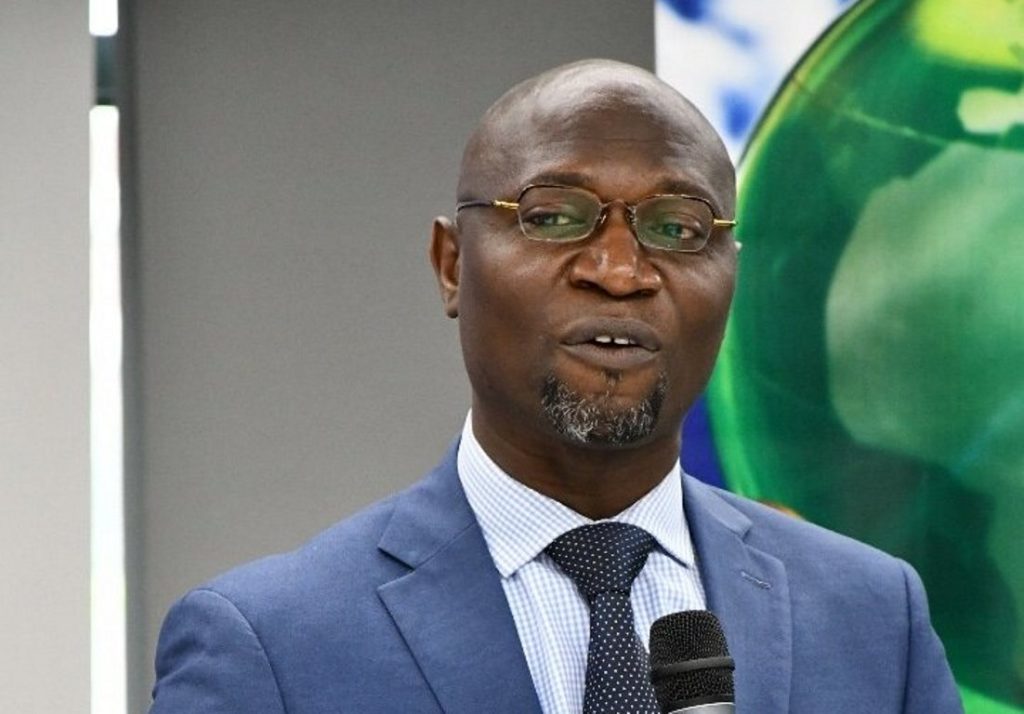
The Securities and Exchange Commission (SEC) has issued a stern warning over the growing wave of fraud involving digital assets and virtual investment platforms, cautioning that these illicit activities are eroding investor confidence and jeopardizing the integrity of Nigeria’s capital market.
The warning was delivered in Abuja by the SEC Director General, Dr. Emomotimi Agama, during an event held to mark the African Union Anti-Corruption Day.
Themed “Understanding Virtual Assets and Investment Fraud,” the event brought together regulators, financial experts, and anti-corruption advocates to address the increasing criminal abuse of digital finance technologies.
According to Agama, the surge in cryptocurrency scams, virtual investment frauds, and other illicit digital activities is not only undermining public trust but also diverting capital from productive sectors and threatening financial stability across Africa.
“Today, as digital innovation transforms global financial systems, we are witnessing an alarming rise in virtual asset fraud and sophisticated investment scams that exploit unsuspecting investors,” Agama said.
He noted that while digital innovation holds promise for inclusive finance, the risks associated with unregulated platforms have escalated, demanding urgent and coordinated regulatory responses.
Agama highlighted that the newly enacted Investment and Securities Act (ISA) 2025 introduces sweeping reforms designed to address the regulatory vacuum around virtual assets. Under the new law, the SEC is designated as the primary regulator for all digital assets classified as securities or investment instruments in Nigeria.
Agama stressed that enforcement will be strict and aimed at promoting investor confidence while safeguarding systemic integrity.
“The ISA 2025 provides a robust legal foundation to balance innovation with investor protection and systemic risk mitigation,” he said.
He further noted that continuous investor education, proactive compliance monitoring, and global regulatory cooperation are essential to combat corruption and illicit financial flows in the digital economy.
READ ALSO: EFCC warns politicians hiding loot in crypto, flags rising digital fraud
In a complementary address, Executive Chairman of the Economic and Financial Crimes Commission (EFCC), Mr. Ola Olukoyede, described virtual asset fraud as a fast-evolving national security threat.
He warned that digital financial crimes could soon overtake traditional money laundering as the most prevalent economic offence across Africa.
“Another rising criminal engagement that has the potential to outpace even money laundering is virtual assets and investment scams,” Olukoyede said.
He urged financial regulators and law enforcement agencies across the continent to intensify collaboration in monitoring digital transactions and prosecuting offenders.
Both SEC and EFCC leadership called on government institutions, the private sector, civil society, and the general public to work together in promoting transparency, ethical investment practices, and regulatory compliance in the rapidly expanding virtual asset space.
The SEC reaffirmed its commitment to releasing further compliance guidelines aimed at creating a safe and transparent digital ecosystem that encourages responsible innovation while safeguarding the interests of investors and the broader economy.


-

 Business1 week ago
Dangote Refinery IPO: 70% Subscription claim meets fourfold demand assertion as investors seek clarity
-

 Featured4 days ago
Inside INEC’s race to prepare for Nigeria’s 2027 elections
-

 Latest1 week ago
Umahi defends Lagos-Calabar highway route changes amid public outcry
-
Business1 week ago
Dangote Refinery IPO Extension: Was the 70% subscription report overhyped?
-

 Latest6 days ago
UCTH faces morgue crisis as 50 unclaimed corpses await mass burial
-

 Featured4 days ago
2027: APC unveils nationwide campaign timetable, Tinubu to rally in 12 states
-

 Business6 days ago
BREAKING: Nigeria’s Inflation Rate Drops to 14.63% in September
-

 Featured1 week ago
El-Rufai, ADC governorship candidate’s court appearance puts Kaduna opposition politics in focus