
Crime
Seven essential car papers needed in Nigeria

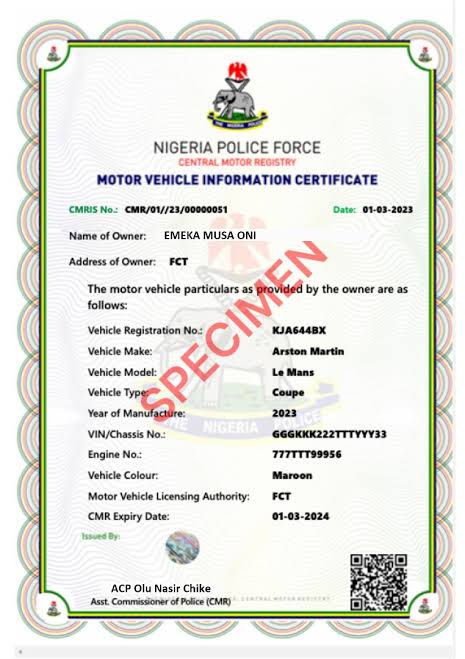
Seven essential car papers needed in Driving in Nigeria
In the bustling streets of Nigeria, where the rhythm of life is set by the hum of engines, ensuring that you have the right paperwork for your car is as essential as fueling up. Navigating the bureaucratic maze of Nigerian traffic regulations can be daunting, but with the seven crucial car documents in hand, motorists can confidently traverse the roads. Here’s a comprehensive guide to the essential papers every driver must possess:
1. Driver’s License: The cornerstone of road legality, the driver’s license is a non-negotiable requirement for operating a vehicle in Nigeria. Issued by the Federal Road Safety Corps (FRSC), this document serves as proof of competence and authorization to drive.
Vehicle particulars
2. Vehicle License / Plate number Allocation : Like a birth certificate for your car, it provides vital details such as vehicle model, make, engine number, chassis number, and registration number. It’s issued by the Nigerian Vehicle Inspection Service (NVIS).
3. Certificate of Roadworthiness: Ensuring that your vehicle is fit for the road is not just a safety concern but a legal requirement. The Certificate of Roadworthiness, obtained after passing a vehicle inspection, attests that your car meets the necessary standards for safe operation.
Road worthiness
4. Motor Vehicle Insurance Certificate: In a country where road accidents are unfortunately common, having insurance coverage is indispensable. The Motor Vehicle Insurance Certificate provides financial protection against liabilities arising from accidents, ensuring peace of mind for both the driver and other road users.
5. Proof of Ownership: Beyond the VRC, additional documentation proving ownership, such as a Bill of Sale or a Transfer of Ownership document, may be required, especially in transactions involving used vehicles. This documentation helps prevent disputes over vehicle ownership.
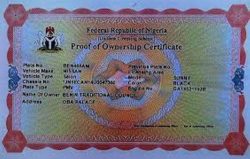
Proof of ownership
READ ALSO:Police arrest 17-yr-old boy with bomb in a bank in Plateau State
6. Customs Papers (for imported vehicles): If your vehicle was imported into Nigeria, you’ll need to possess customs clearance documents, including the Customs Duty Receipt, Form M, and the Bill of Lading. These papers demonstrate that the vehicle has undergone proper import procedures and duties have been paid.
7. ECMR : Central Motor Registry Information System
This was done to address the rising sophistication of vehicular crime in the country, the Nigeria Police Force in April 2023, introduced the digitalized Central Motor Registry Information System (e-CMR) for the seamless management of every motor vehicle and its ownership.
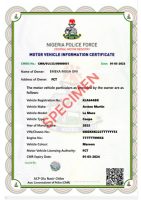
ECMR
While obtaining and maintaining these documents may seem like a bureaucratic hassle, they are indispensable for ensuring legal compliance, protecting oneself in case of accidents or disputes, and contributing to safer roads for all. As Nigeria continues to evolve, adherence to these regulations becomes increasingly vital for fostering a culture of responsible driving and road safety. So, before hitting the road, make sure you have your papers in order—because in Nigeria, compliance is key to a smooth journey.














-

 Featured6 days ago
Inside INEC’s race to prepare for Nigeria’s 2027 elections
-

 Latest1 week ago
Global excitement builds as Healing Streams Live Services returns October 23
-

 Featured6 days ago
2027: APC unveils nationwide campaign timetable, Tinubu to rally in 12 states
-

 Business1 week ago
President Tinubu and the Low Transport Fares Fiasco
-

 Business1 week ago
BREAKING: Nigeria’s Inflation Rate Drops to 14.63% in September
-

 Business3 days ago
Naira faces exchange rate gap as Dollar hits N1,380 on parallel market
-

 Business6 days ago
Court dismisses ₦170m Trade Fair contract claim, says Zenith Bank was not a party
-
 Latest6 days ago
Breaking: NNPCL raises petrol price to ₦1,405 per litre amid discount controversy