
Business
Sorry state of Nigeria’s lower denomination currencies

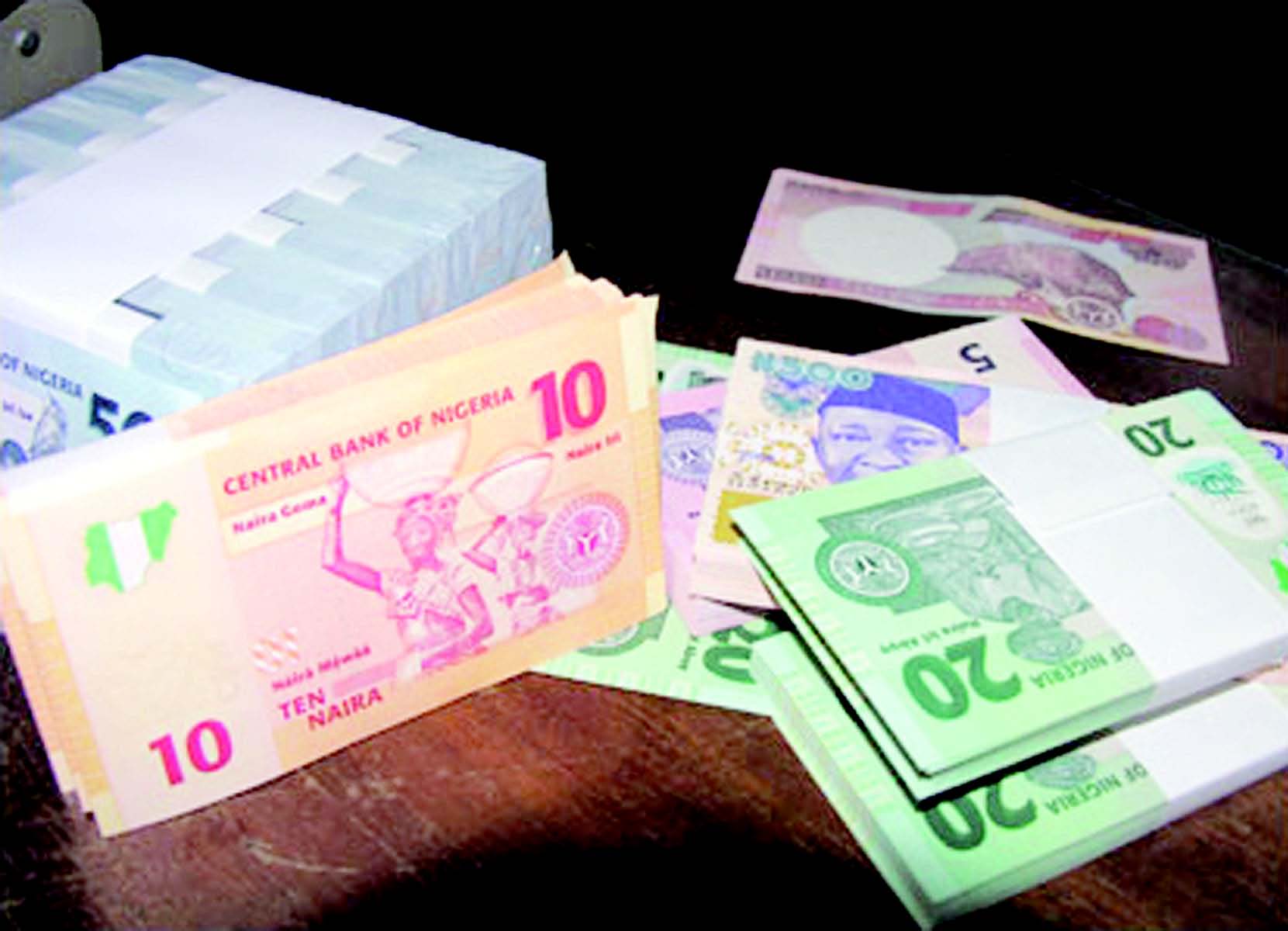
In recent times there has been a noticeable increase in the volume of tattered Naira notes, particularly lower denomination currencies.
While this affects all lower denomination currencies in the economy, the N100 note appears to be the worst affected, with a significant quantity of N100 notes in use appearing worn-out.
Besides the stain on the country’s image arising from the circulation and continued use of tattered currency notes, there are a number of less subtle consequences of this situation.
The scarcity of clean notes provides an incentive for increasing black market trading.
Black market trading has the unfortunate effect of making lower denomination currencies a commodity itself rather than a medium of exchange, promoting hoarding and racketeering.
To be fair, the Central Bank of Nigeria has shown some appreciation of the situation at hand and instituted a number of schemes directed at various stakeholders.
On January 2, 2018, the Central Bank opened a three-month window (starting January 2018) for banks to turn-in worn-out 5, 10, 20 and 50 Naira notes (not including the N100 note) at a discounted rate of N1,000 per box.
The Central Bank also runs public campaigns encouraging proper use of the Naira and urging users to turn in worn-out Naira currencies to the Bank.
If the success of these schemes were to be measured by the extent to which worn-out denominations are still circulating in the economy, the schemes can largely be adjudged to have failed.
There is no shortage of blame about the current situation. The Central Bank has blamed Deposit Money Banks for failing to turn in worn-out notes. Both Banks also blame the manner in which some users handle the Naira for the current situation.
On their part, the banks have bemoaned charges imposed by the CBN for the replacement of notes. It has also been suggested that Deposit Money Banks are mindful of the additional administrative and cost burden of indulging in such activity.
The blame by users depends on who you ask, but it appears that a large number of users see the situation as a failure of the Federal Government and its regulatory agency (Central Bank).
Ascertaining who actually bears the blame for the failing regulatory system is a subject of contention. However, only concrete actions taken to rectify the faltering system can save the dire situation of the N100 note.



-
 Latest6 days ago
Israel marks 3 years since October 7 Hamas attack amid Gaza strikes, election debate
-

 Energy6 days ago
Fuel Battle: Dangote, marketers and government clash over petrol imports
-

 Energy1 week ago
Petrol, diesel prices rise 86% in 2026 as costs hit fresh highs
-

 Football7 days ago
Nigeria’s World Cup exit under spotlight as FIFA’s DR Congo files emerge
-

 Energy1 week ago
Has Iran lost control of the Strait of Hormuz? Oil flows rebound as war disruptions persist
-

 Latest7 days ago
US Court set to rule on release of FBI, DEA records on Tinubu
-

 Latest17 hours ago
Full List: Meet the 2026 Nobel Prize winners across six categories
-

 Business7 days ago
Nigerian investors at a crossroads as fixed-income yields slide