
Business
Telecom operators face billions in losses from vandalism, theft, says Dr. Maida

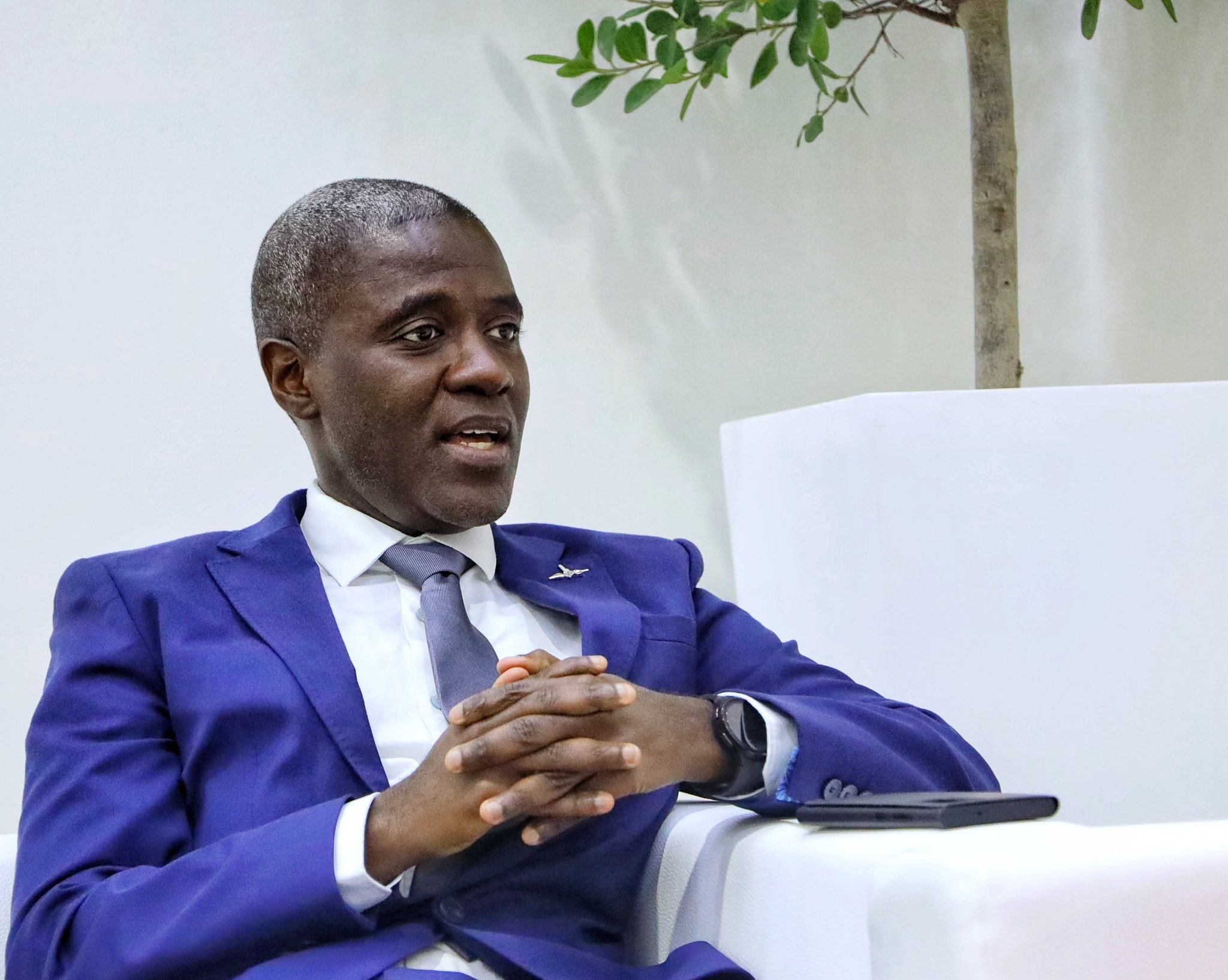
Nigerian telecom operators are facing unprecedented financial strain due to a surge in vandalism, fibre cuts, and equipment theft, with losses reaching billions of Naira, according to the Nigerian Communications Commission (NCC).
This challenge persists despite a recent Executive Order by President Bola Tinubu, which designated telecom infrastructure as Critical National Information Infrastructure (CNII), aiming to bolster protection for these essential assets.
At the CNII Protection and Resilience Workshop, led by the National Cybersecurity Coordination Centre (NCCC), NCC Executive Vice Chairman Dr. Aminu Maida highlighted the urgency of the problem.
“The industry is hit hard by recurring fibre cuts, vandalism, and theft—costing operators billions in revenue and repairs. Restricted access to facilities imposed by property owners and government agencies adds another layer of complexity, hampering network expansion and affecting service quality,” Maida explained.
This declaration has revived calls from industry stakeholders, who argue that telecom infrastructure must be shielded with stronger enforcement. “Network integrity remains highly vulnerable,” said Gbenga Adebayo, Chairman of the Association of Licensed Telecommunications Operators of Nigeria (ALTON), referencing an internet outage earlier this year caused by damage to fibre cables.
He added, “This Executive Order could be a turning point, but only if backed by robust government action and tangible support from security agencies.”
READ ALSO:NATCOMS urges 10% telecom tariff hike to combat rising costs
The financial burden on operators has been significant. MTN Nigeria reported over 6,000 fibre cuts in 2023, with costs exceeding N11 billion to relocate 2,500 kilometers of damaged cables—a measure it undertook to prevent service disruption.
Meanwhile, Airtel Nigeria faces about 1,000 fibre cuts per month, according to CEO Carl Cruz. The consistent incidents have placed operators in a costly cycle of repairs, diverting funds from expansion projects critical to Nigeria’s digital economy.
Dr. Maida’s remarks reflect growing concerns that the CNII designation alone may not suffice without substantial government intervention. This isn’t the first attempt at safeguarding telecom infrastructure; in 2020, former President Muhammadu Buhari issued a similar directive, entrusting the Office of the National Security Adviser (ONSA) and other security bodies with protecting telecom assets.
Yet, the ongoing prevalence of fibre cuts and theft across the country underscores the need for more resolute enforcement.
Experts agree that the new directive’s success hinges on coordinated government action and strict adherence to protection measures. “For Nigeria’s telecom network to thrive, CNII enforcement must move beyond policy announcements.
Telecom operators need actual security infrastructure to deter vandalism and, more importantly, consistent follow-through from law enforcement,” stated telecom analyst John Adebisi.
He warned that without such interventions, telecom providers will continue bearing hefty repair costs, stifling network quality and expansion at a time when Nigeria’s digital connectivity goals are pivotal to its economic growth.


-

 Latest5 days ago
Pastor Chris Oyakhilome announces mother’s passing at 88 [VIDEO]
-

 Latest6 days ago
Arsenal eye €70-80m move for Real Madrid star
-

 Football3 days ago
How David Beckham made $51.1m from 2026 World Cup, surpassing winners’ prize
-

 Crime6 days ago
Police arrest suspect, launch manhunt for 2 others over Delta Education Director’s death
-

 Latest5 days ago
How adulterated palm oil, coloured pepper are putting consumers at risk
-
 Latest6 days ago
Obi left $155m in Anambra, Otti insists amid debt controversy
-
 Crime5 days ago
Deaths in NSCDC Custody: Can Nigeria guarantee the safety of detainees?
-
 Crime6 days ago
184.5kg Cocaine Bust: NDLEA docks KC Luxury, two accomplices, remands them in custody