
Agribusiness
Tomato, pepper floods Lagos markets

• As prices of rice and beans increases
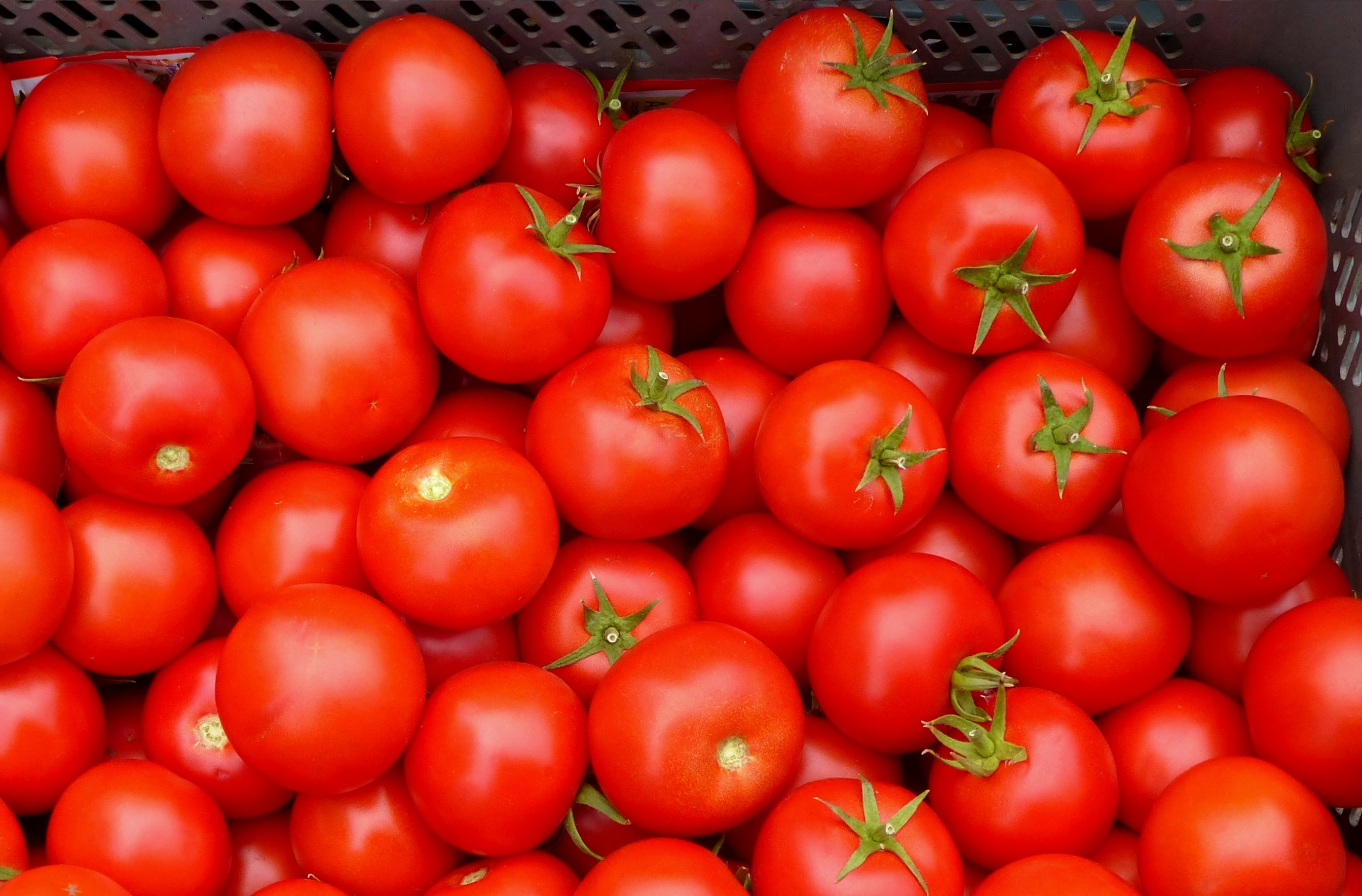
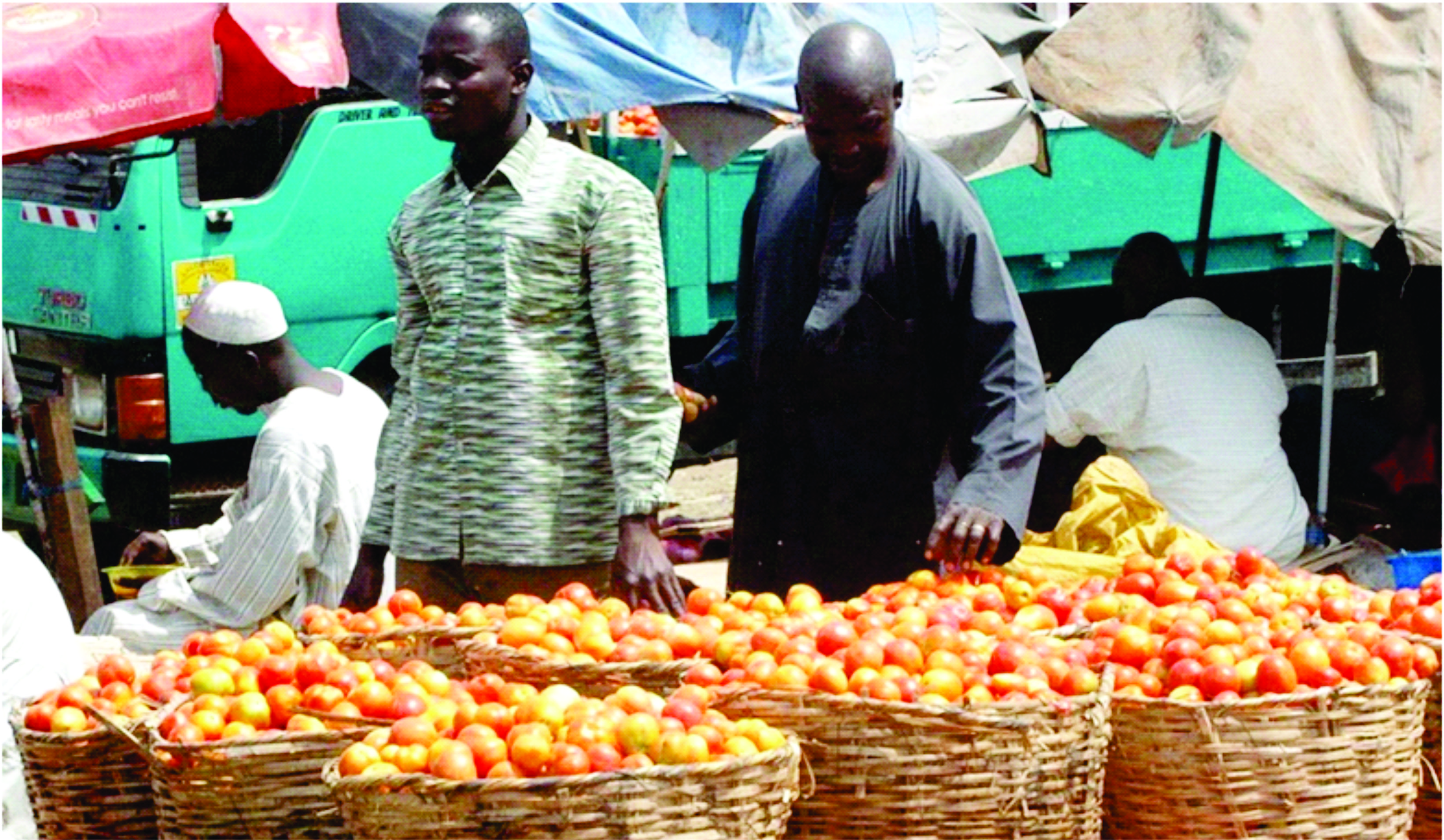
National Daily market investigation reveals that three months after Nigerians suffer 900 percent price hike in tomatoes and pepper in the various markets cut across the country, the produce has come back to normal. During that period a fruit of tomato seed was sold for N50 to N90 depending on the area. In Lagos Inland, it was sold for as much as N100 to N130 per fruit.
Today the prices have drastically reduced as fifteen to twenty fruits could be bought for N50. Women in the Ikorodu market, specially, Sabo and Ojubode Market say prices have reduced from the middle-men who bring them from the Northern part of the country. Mrs Teresa who leaves in Ikorodu suburb says with N300 tomato and pepper she can now cook a pot of stew for her family of five that will last several meals as against three months ago when her family could not even afford tomatoes.
National Daily gather from famers in Jos, Nasarawa, Kano and its environs that it is harvesting period and more so the they have learnt to deal with the ‘tuta absoluta’ disease that had struck at that time. Danjuma a small-hold farmer says Nigerians have also learnt to farm these produce at the back of their house or their farms for family consumption. With this seasonal harvest, the markets will experience more of these produce and market women will be forced to reduce price.
ALSO SEE: BIU to harvest 800,000t of tomatoes, 300,000t of grass annually — VC
However, the prices rice and beans are on the increase day-by-day. Several families who use to keep these produce in bags for consumption at home now buy in ‘derica cups’ or ‘paint plastic’ measurements. Iya Tope living in the surburb of Ikorodu says that what baffles her is the hourly increase of little measurement. That she bought a cup of derica rice for N220 and by evening it was sold for N250.
But in mile 12 market, new prices released by Novus Agro Nigeria Ltd over the weekend in their compiled commodity index shows that a 50kg bag of rice and a 100kg bag of beans at the popular Mile 12 market in Lagos, have slightly increased from N13,500 to N13,600 and N23,000 to N23,800 respectively.
Novous Agro, Enumeration Specialist, Miss Avadoo Gaadi had last week, stated that there was a shortage of beans from the farms while foreign exchange had contributed to the increase in the price of rice and she stated that the price of a paint bucket measure of rice also increased slightly from N1,200 to N1,220 over the weekend and noted that a paint bucket measurement of beans remained stable at N1,000 at the market as at last week.
The Novous Agro commodity index also showed that the price of a 100kg bag of onions reduced slightly to N16,200, as against the N16,500 it attracted a week earlier, while, the price of a 2kg bag of onions remained the same at N500.But the prices of other commodities as a 100kg bag of groundnut, maize, sorghum and soya beans remained stable at the market.
However, the prices of 100kg bags of groundnut, maize, sorghum and soya beans still sold for N26,000, N11,000, N10,000 and N17,000 respectively, also, the price of 25 litres of palm oil remained the same at N7,000 while a bottle measure of it sold for N250 at the market.




-

 Featured5 days ago
Inside INEC’s race to prepare for Nigeria’s 2027 elections
-

 Featured5 days ago
2027: APC unveils nationwide campaign timetable, Tinubu to rally in 12 states
-

 Latest1 week ago
UCTH faces morgue crisis as 50 unclaimed corpses await mass burial
-
 Business7 days ago
BREAKING: Nigeria’s Inflation Rate Drops to 14.63% in September
-

 Business6 days ago
President Tinubu and the Low Transport Fares Fiasco
-
 Business5 days ago
Court dismisses ₦170m Trade Fair contract claim, says Zenith Bank was not a party
-

 Business2 days ago
Naira faces exchange rate gap as Dollar hits N1,380 on parallel market
-

 Latest5 days ago
Breaking: NNPCL raises petrol price to ₦1,405 per litre amid discount controversy