
Business
UBA leads as banks generate N425bn from e-transactions in 2023

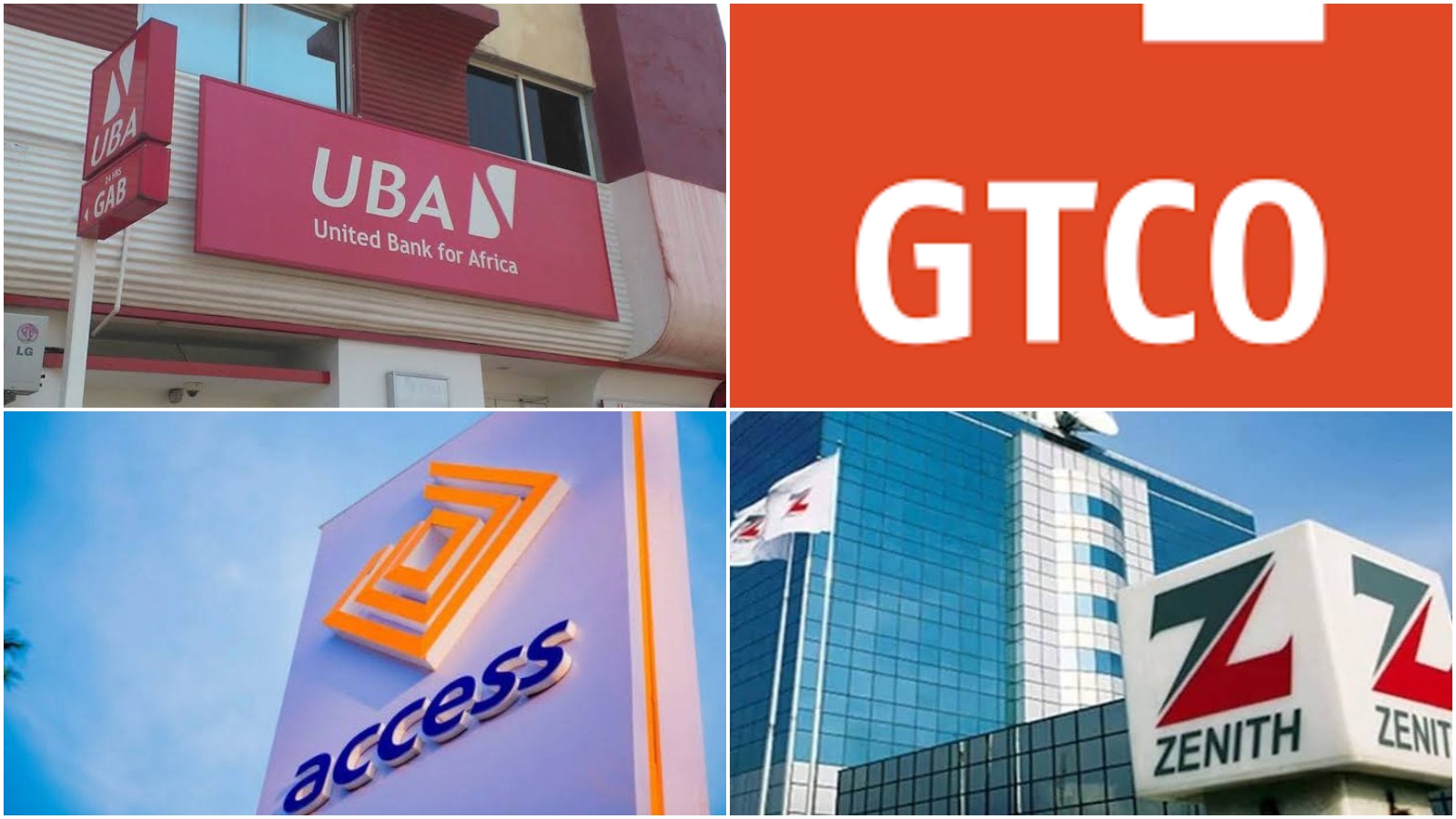
one of Nigeria’s oldest and largest banks, United Bank for Africa (UBA) leads nine banks in the amount of revenue generated from e-transaction in 2023, raking N125.5 billion of the total N425 billion generated by the banks in the year under review.
This represents a 59 per cent increase in the company’s e-business income when compared with the N78.9 billion recorded in 2022.
E-business income includes revenue from electronic channels, card products, and related services. These channels include mobile applications, USSD channels, automated teller machines (ATMs), agency banking, internet banking, and point of sales (POS) payments.
According to their full-year 2023 financial results, each of the banks saw a jump in electronic business revenue for the year under review.
Access Holdings came second in terms of e-business revenue for the year as it raked in N99.1 billion from the business. The bank’s electronic transactions grew by 66 per cent in 2023 from N59.6 billion recorded in the preceding year.
Although FBN Holdings is yet to publish its audited financial results for the year, interim results released for the period showed that its e-business income also grew from N55 billion in 2022 to N66 billion in 2023.
READ ALSO: CBN directs banks to suspend charges on deposits
While their figures are lower than those of UBA, Access, and FBN, the two other tier-1 banks also recorded growth in their e-business revenue for the year.
Zenith Bank generated N51.8 billion from electronic transactions in the year under review. This is a 13 per cent growth over the N45.7 billion recorded in 2022.
GTCO Holding generated 40.8 billion as e-business revenue in 2023. This represents 8 per cent growth over the N37.7 billion the company earned in the preceding year.
FCMB grew its electronic transactions income by 26 per cent to N17.7 billion in 2023.
Stanbic IBTC almost doubled its e-business earnings in 2023 as it generated N4.4 billion, an increase of 76 per cent from the N2.5 billion it earned in 2022. Wema Bank also recorded an increase in e-business for the period, growing from N6.1 billion in 2022 to N7.3 billion in 2023.
Fidelity Bank’s e-business income also jumped from N2.8 billion in 2022 to N3.6 billion in 2023, representing a 29 per cent growth year on year.
Commenting on the bank’s growing e-business revenue, the CEO of Chronis Technology, Mr. Kayode Joseph, said the growth in e-business revenue for the banks is an indication that the Central Bank of Nigeria’s (CBN) cashless policy is having positive effects, not only on the banks but also on Nigerians.
“Many Nigerians are now finding electronic transactions more convenient, and I think this is the impact of the CBN’s cashless policy, which has limited the amount of cash that can be withdrawn in a day. This is a positive sign for the Nigerian banking sector,” he said.
He, however, noted that the banks will need to invest more in their infrastructure to address the issues of failed transactions and secure their systems against fraud.


-
 Latest1 week ago
Israel marks 3 years since October 7 Hamas attack amid Gaza strikes, election debate
-

 Energy7 days ago
Fuel Battle: Dangote, marketers and government clash over petrol imports
-

 Latest2 days ago
Full List: Meet the 2026 Nobel Prize winners across six categories
-

 Football1 week ago
Nigeria’s World Cup exit under spotlight as FIFA’s DR Congo files emerge
-

 Latest1 week ago
US Court set to rule on release of FBI, DEA records on Tinubu
-

 Business1 week ago
Nigerian investors at a crossroads as fixed-income yields slide
-

 Latest1 week ago
Oyo APC crisis deepens as Oluyole reconciliation meeting ends in brawl
-
 Featured6 days ago
103 Million Voters: What does INEC’s new register say about Nigeria’s population?