
Wheels
Volkswagen moves into Kenya, Rwanda, snubs Nigeria


With the opening of a new assembly plant in Kenya and Rwanda, German car manufacturer, Volkswagen has shown that it has no interest in Nigeria, despite being Africa’s largest market.
Recall that an agreement to establish a vehicle assembly plant in Nigeria was purportedly signed between Volkswagen Group and regional conglomerate, Stallion Group in 2014.
The agreement marked a historic return of the German car maker after more than 20 years of their departure following the collapse of their joint venture with the Federal Government leading to the closure of their manufacturing facility in Lagos and the subsequent sale of government shares to the Stallion Group.
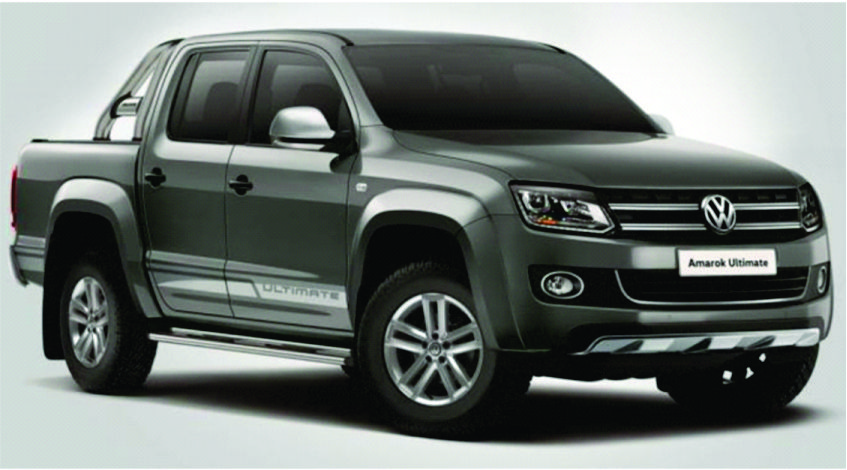
It was also said that the collaboration would result in the local assembly of prime Volkswagen products such as Jetta, Passat CC, Amarok pickups during the initial phase, followed by the Tiguan and other models in subsequent phases.
However, since the agreement, no vehicle has been manufactured in the assembly plant which has since been turned into a storage facility.
The German car manufacturer’s move into East Africa comes just weeks after it signed a deal to build an assembly plant in Algeria.
The plant in the industrial town of Thika is expected to produce cars for Kenya as well as the wider East African market, starting with the Polo Vivo, described as the company’s most successful passenger car model in Sub-Saharan Africa.
According to a January report by Deloitte Africa Automotive Insights, a rise in incomes in Kenya is driving the sales of motor vehicles — accounting for 1.5 percent of consumer expenditure in 2015.
Passenger vehicles were Kenya’s fourth-largest import in 2014, and the volume of imported cars grew 300 percent between 2003 and 2012. Many of the imports are second-hand cars from Japan or the United Arab Emirates.
Meanwhile another top Volkswagen executive was in Rwanda to launch a project involving “app-based mobility solutions”.
“We will make passenger vehicles not only available for the market to buy but also for the shared service that now is increasingly becoming the trend in many cities of the world,” said Francis Gatare, CEO of the Rwanda Development Board.
“It is fair to say that the whole continent has seen a long period of economic stagnation, but just like China in the early 80s Africa offers great business opportunities. That holds especially true for Kenya.”


-

 Latest1 week ago
Full List: Meet the 2026 Nobel Prize winners across six categories
-

 Football7 days ago
Premier League Matchweek 7: Five Fixtures That Could Shape the Weekend
-

 Business5 days ago
Dangote Refinery IPO: 70% Subscription claim meets fourfold demand assertion as investors seek clarity
-

 Latest6 days ago
Umahi defends Lagos-Calabar highway route changes amid public outcry
-
Business6 days ago
Dangote Refinery IPO Extension: Was the 70% subscription report overhyped?
-

 Latest4 days ago
UCTH faces morgue crisis as 50 unclaimed corpses await mass burial
-
 Business4 days ago
BREAKING: Nigeria’s Inflation Rate Drops to 14.63% in September
-

 Featured6 days ago
El-Rufai, ADC governorship candidate’s court appearance puts Kaduna opposition politics in focus