
Featured
2027: Why Nigeria’s opposition alliance Is becoming more complicated

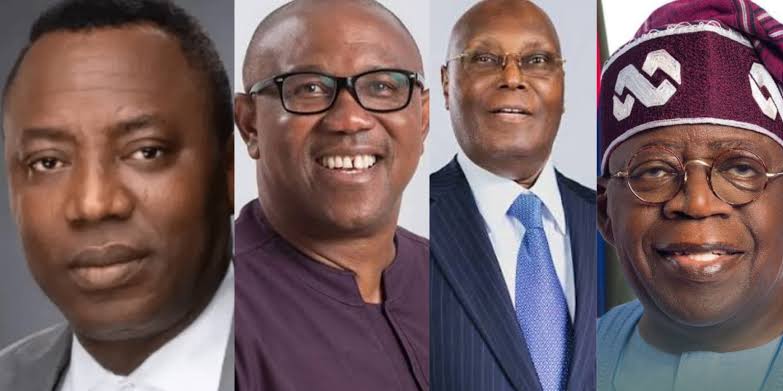
Efforts by Nigeria’s opposition parties to build a common platform ahead of the 2027 general elections are becoming increasingly complicated as more political actors seek to participate while several presidential candidates remain committed to separate platforms.
The latest push is being coordinated partly through the G100-backed coalition, which has been holding discussions among opposition parties on the possibility of greater cooperation and a common presidential candidate.
At its August 31 summit in Abuja, participating parties agreed to establish coalition structures and working groups to develop proposals for opposition unity, a national reform programme, a transition charter and a roadmap towards a common presidential candidate. The initiative was deliberately framed as a negotiation rather than an immediate demand for parties or candidates to withdraw.
The coalition has since moved to expand its membership. Its Central Leadership Committee announced on September 17 that it would accommodate additional opposition parties that have expressed interest in joining the process.
That decision could broaden the coalition’s reach, but it also introduces more interests that would have to be reconciled before a unified electoral arrangement can emerge.
One of the biggest obstacles is the existence of multiple presidential candidates within the broader opposition camp.
As of September, former Vice-President Atiku Abubakar is the presidential candidate of the African Democratic Congress, Peter Obi is the candidate of the Nigeria Democratic Congress, while Oyo State Governor Seyi Makinde is running under the Allied Peoples Movement.
Their candidacies have already gone through formal nomination processes, giving each campaign its own party structure, supporters and political expectations.
This makes any eventual agreement more complicated than simply announcing a coalition. Any candidate who agrees to support another would have to manage the expectations of party members, campaign organisations and supporters who have already invested in that candidacy. Channels Television noted that the formal presidential field has exposed this challenge, with prominent opposition figures now appearing on separate tickets.
The central unresolved issue remains the presidential ticket.
Opposition negotiations can produce agreement on the need for cooperation without necessarily resolving who should become the coalition’s presidential candidate.
Atiku, Obi, Makinde and other political figures have established national political identities and constituencies. Reaching agreement would therefore require a mechanism acceptable to the participating parties and candidates.
The Movement for Credible Elections, led by Prof. Pat Utomi, has separately announced plans to engage opposition presidential candidates and parties in an effort to facilitate discussions around a single candidate.
The group has identified several parties for engagement, including the ADC, APM, NDC, PDP, SDP, Accord Party, PRP, AAC and YPP. It said the process would require participating candidates and parties to commit to respecting the eventual outcome.
Even if opposition leaders agree on a presidential candidate, they would still have to determine how their existing party structures would work together.
The coalition discussions involve parties with different national and state-level structures, leadership arrangements and political histories.
The G100 process has proposed separate committees dealing with political coordination, publicity and legal matters, alongside working groups responsible for developing the proposed reform and unity frameworks. The Central Leadership Committee has also adopted a rotating chairmanship arrangement among participating parties as part of its stated effort to maintain equality within the coalition.
The experience of the 2013 merger that produced the APC also provides an important point of comparison. That process involved the creation of a new political platform rather than simply coordinating several presidential campaigns, making the present negotiations structurally different.
The opposition parties also do not necessarily agree on all policy questions.
Recent discussions have already exposed differences over issues such as fuel subsidy policy. The ADC’s national publicity secretary, Bolaji Abdullahi, acknowledged that disagreements over subsidy policy could complicate coalition discussions, while stressing that the G100 summit was primarily about cooperation among political parties rather than individual candidates.
A coalition would therefore have to produce more than an agreement on electoral arithmetic. It would need a common policy programme capable of accommodating parties and politicians with different positions on economic management, energy policy, governance and other national issues.
Regional considerations are another factor in the negotiations.
Nigeria’s presidential politics involves calculations around geographical representation, party influence and the balance between northern and southern interests. A coalition ticket would therefore have to address not only who becomes presidential candidate but also questions surrounding the running mate and the distribution of political responsibilities.
These considerations become more significant when several politicians with established regional and national constituencies are negotiating from different political position.
Despite the difficulties, the talks have not collapsed.
The Central Leadership Committee’s decision to admit more parties shows that the coalition process remains active. Its committees and working groups are expected to continue developing the framework for cooperation, while other groups are separately attempting to facilitate engagement among presidential candidates.
At the same time, the absence of some major opposition figures from earlier coalition meetings illustrates the uncertainty surrounding the process. Atiku and Obi, for example, were absent from the August 31 G100 summit, although representatives of their respective political platforms participated.
Recent public contacts between Obi and Makinde have also generated speculation about possible cooperation, but both have described their engagement as consultations rather than announcing a formal joint presidential arrangement.
The distinction is significant: discussions, public appearances and participation in coalition meetings do not by themselves amount to a final electoral alliance.
For the opposition alliance to become a single electoral platform, several issues would have to be settled.
They include the method for selecting a common presidential candidate, the treatment of existing party structures, the distribution of positions within the coalition, agreement on a policy programme, financing and campaign coordination, and the ability of participating candidates and their supporters to accept the outcome of negotiations.
The coalition must also determine whether cooperation will involve a formal merger, a common presidential candidate supported by separate parties, or another form of electoral arrangement.
For now, the opposition movement remains a work in progress. The expansion of the talks indicates continuing interest in cooperation, but the presence of multiple presidential candidates and competing party interests means that reaching a final agreement will require further negotiations.
With the 2027 election approaching, the key issue is therefore no longer simply whether Nigeria’s opposition parties can agree that they should cooperate. It is whether they can agree on how that cooperation should work, who should lead it and what political programme should bind the participating parties together.
This version deliberately avoids predicting which coalition will succeed; it focuses on the documented structural, leadership, policy and organisational issues currently complicating the negotiations.


-
 Latest5 days ago
Israel marks 3 years since October 7 Hamas attack amid Gaza strikes, election debate
-

 Energy5 days ago
Fuel Battle: Dangote, marketers and government clash over petrol imports
-
 Energy6 days ago
Petrol, diesel prices rise 86% in 2026 as costs hit fresh highs
-
 Energy7 days ago
Has Iran lost control of the Strait of Hormuz? Oil flows rebound as war disruptions persist
-

 Football6 days ago
Nigeria’s World Cup exit under spotlight as FIFA’s DR Congo files emerge
-
 Latest6 days ago
US Court set to rule on release of FBI, DEA records on Tinubu
-

 Business6 days ago
Nigerian investors at a crossroads as fixed-income yields slide
-
 Business7 days ago
LoveWorld Trade and Investment Forum to Convene Business Leaders in Accra