
Health
300 children die from contaminated cough syrups – WHO

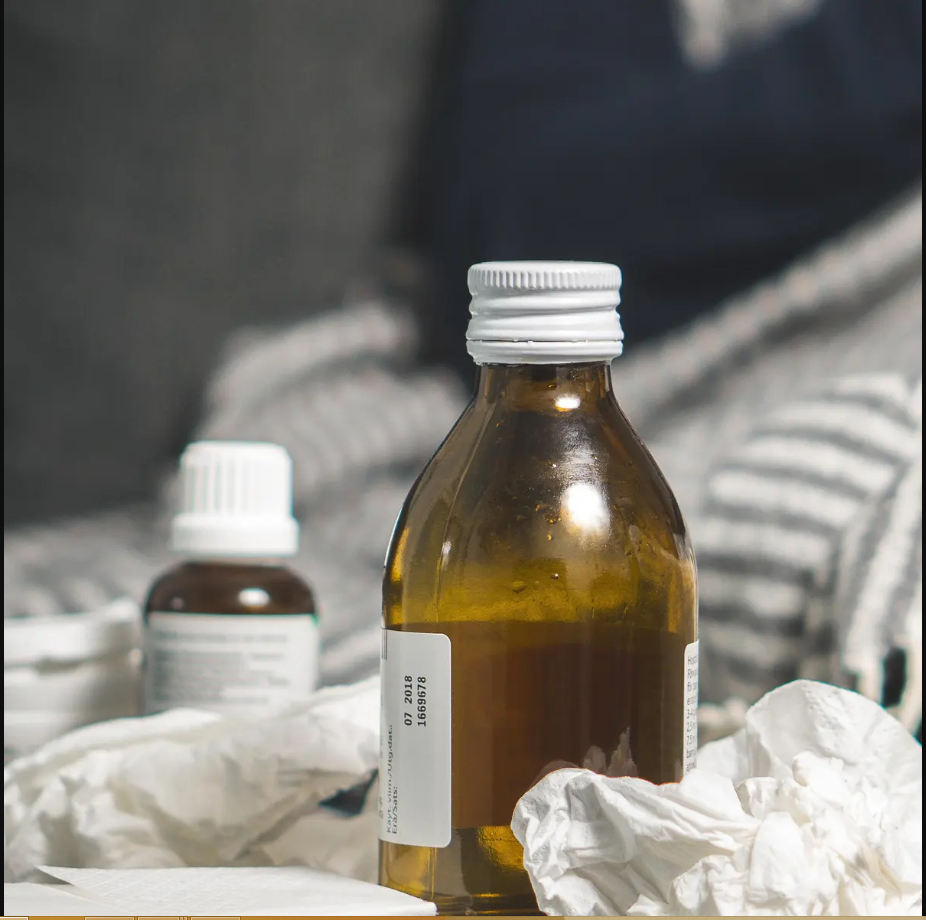
The World Health Organisation (WHO), says 300 children have died due to the use of contaminated cough syrups in three countries.
WHO issued a medical product alert on October 5, 2022, focused on the Gambia regarding four products — Promethazine Oral Solution, Kofexmalin Baby Cough Syrup, Makoff Baby Cough Syrup, and Magrip N Cold Syrup.
It issued another alert on November 6, 2022, focused on Indonesia concerning about eight products — Termorex syrup (batch AUG22A06 only), Flurin DMP syrup, Unibebi Cough Syrup, Unibebi Demam Paracetamol Drops, Unibebi Demam Paracetamol Syrup, Paracetamol Drops (manufactured by PT Afi Farma), Paracetamol Syrup (mint) (manufactured by PT Afi Farma), and Vipcol Syrup.
READ ALSO: Company halts production of cough syrup linked with acute injuries
On January 11, it also published an alert focused on Uzbekistan regarding two products — AMBRONOL syrup and DOK-1 Max syrup.
The organisation in a statement said over the past four months, countries have reported several incidents of over-the-counter cough syrups for children with confirmed or suspected contamination with high levels of diethylene glycol and ethylene glycol.
It said the contaminants are toxic chemicals used as industrial solvents and antifreeze agents that could be fatal even taken in small amounts, and should never be found in medicines.
“Last year, WHO raised the alarm by issuing medical alerts in October focused on the Gambia, in November about Indonesia, and earlier this month regarding Uzbekistan,” the statement reads.
“The cases in these three countries are associated with more than 300 deaths, but we know that at least seven countries have been affected. Most of the deaths have been in children under the age of five
“WHO’s medical product alerts were rapidly disseminated to the national health authorities of all 194 WHO member states.”
The WHO said since the incidents were not isolated, various key stakeholders engaged in the medical supply chain should take immediate and coordinated action.
It added that governments should “increase market surveillance including risk-based targeted testing for medical products released in their respective markets including informal markets; and enact and enforce, where relevant and as appropriate, laws and other relevant legal measures to help combat the manufacture, distribution and/or use of substandard and falsified medicines”.


-
 Latest6 days ago
Israel marks 3 years since October 7 Hamas attack amid Gaza strikes, election debate
-

 Energy5 days ago
Fuel Battle: Dangote, marketers and government clash over petrol imports
-

 Energy7 days ago
Petrol, diesel prices rise 86% in 2026 as costs hit fresh highs
-

 Energy1 week ago
Has Iran lost control of the Strait of Hormuz? Oil flows rebound as war disruptions persist
-

 Football6 days ago
Nigeria’s World Cup exit under spotlight as FIFA’s DR Congo files emerge
-

 Latest6 days ago
US Court set to rule on release of FBI, DEA records on Tinubu
-

 Business6 days ago
Nigerian investors at a crossroads as fixed-income yields slide
-

 Business1 week ago
LoveWorld Trade and Investment Forum to Convene Business Leaders in Accra