
Business
Naira weaker on lower oil prices, profit taking, others

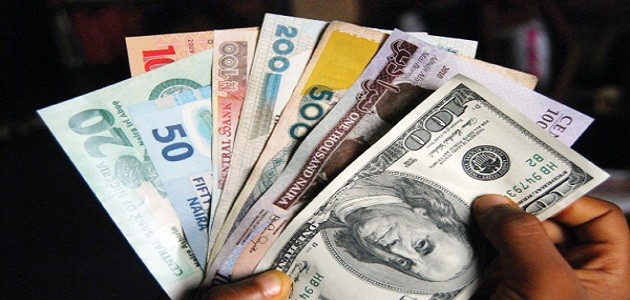
The Nigerian Naira has faced upside pressure since the start of the third-quarter as the Naira exchange rate to the dollar on the Investors and Exporters’ (I&E) window has depreciated by 1% to N363.68/$ from N360.74/$ at the end of the second quarter.
This has been due primarily to tightened dollar liquidity in the foreign exchange market. Initially, dollar inflows slowed due to lower yields in the local debt market while dollar-demand has increased on the back of foreign investors booking profits on local debt instruments in response to falling yields. In addition, apathy for Nigerian stocks by foreign investors has contributed to the dollar-demand pressure
The inflow of both Foreign Direct Investment (FDI) and Foreign Portfolio Investment (FPI) also declined by 73% and 41% respectively as at July while the percentage of international-sourced inflows to the window dropped to 45% in July from 61% in January.
This has fueled a dollar liquidity squeeze (external reserves are down by 1.51% quarter-to-date) that has intensified pressure on the naira exchange rate.
In addition to the capital market pressures on the exchange rate, pressure has been building on the Naira due to faltering oil prices in the global market.
Skepticism about Nigeria’s ability to meet its foreign exchange obligations intensified following the fall in the price of oil in the global market- this is because crude sales account for the bulk of Nigeria’s foreign exchange earnings and government revenues.
At the end of Tuesday’s session, Brent- the global benchmark of sweet light crude- closed at US$59/bbl, a 2% discount to the US$60/bbl oil price benchmark for the 2019 budget.
In a bid to manage the pressure on the Naira, the Central Bank resumed issuing OMO to mop up excess liquidity in the system that may be fueling dollar-demand pressure and sold a little over N200 billion worth of bills in two weeks. In our opinion, the Naira is reacting to external shocks while local dollar-demand is increasing.
The liquidity mop-up tactic being adopted by the Central Bank can create an illusion of domestic financial system tightening in the short-term but this could result in more domestic economic weakness in the long-run and thus potentially more capital flight.














-
 Featured1 week ago
Tinubu’s Renewed Hope: Reforms, hardship and the unanswered question of a second term
-

 Featured7 days ago
The cost of Renewed Hope: How Nigeria’s economic reforms are reshaping everyday family life
-

 Crime4 days ago
Kwara bandit deal under scrutiny as footage shows security operatives negotiating with terrorists [VIDEO]
-

 Business7 days ago
CBN forex reforms under scrutiny as Nigeria’s reserves drop $300m in 10 days
-

 Business7 days ago
NCC plans spectrum incentives to push telecom operators into more network investment
-

 Entertainment6 days ago
2027 Grammys: Asake, Wizkid, Tems, Ayra Starr lead Nigerian nominees in African music category
-

 Latest7 days ago
Nigeria’s security crisis deepens as October death toll hits 835, highest in 2026
-

 Sports1 week ago
Kenya’s Timothy Kibii wins Port Harcourt International Marathon