
Agribusiness
Nigerians groan as prices of staple food skyrocket by 65%


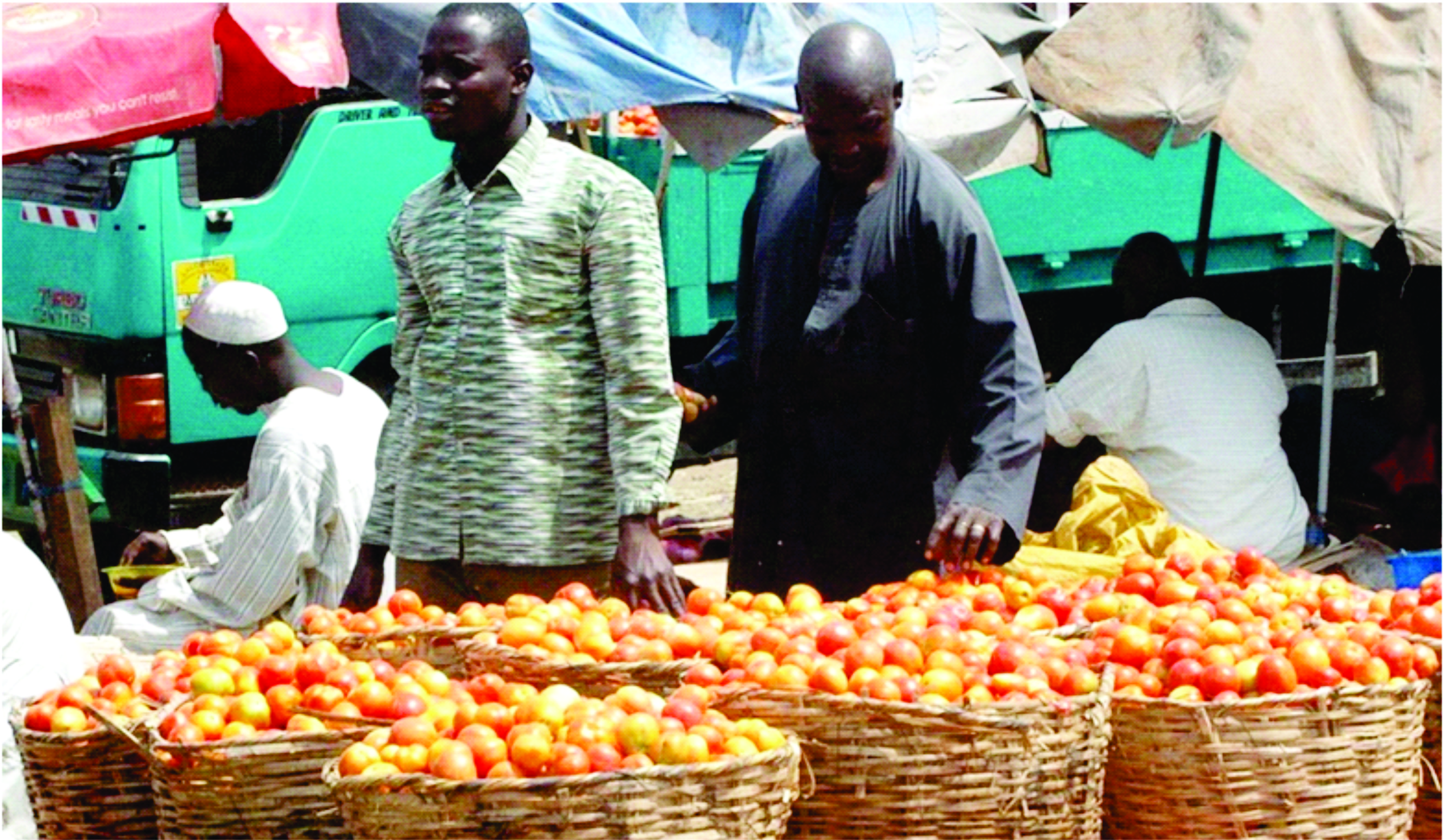
Prices of staple such as rice, frozen foods and other have continue to witness an increase of up to 65 per cent, National Daily survey has revealed.
The continue rise may not be unconnected with the federal government decision to close Nigeria’s border with Benin Republic and other neighbouring African countries on august 19, 2019.
The joint-border closure meant to check the smuggling of goods into the country is being supervised by the Nigeria Customs Service (NCS), Nigeria Immigration Service (NIS), Police and military personnel and coordinated by the office of the National Security Adviser.
However, some of the prices of the food items that come from the land borders, especially the Republic of Benin have increased astronomically.
The president’s spokesman, Mr. Femi Adesina had in a statement in Abuja said that President Buhari expressed great concern over rice smuggling into the country. He said that the activities of the smugglers threatened the self-sufficiency already attained due to the administration’s agricultural policies.
“Now that our people in the rural areas are going back to their farms, and the country has saved huge sums of money which would have otherwise been expended on importing rice using our scarce foreign reserves. We cannot allow smuggling of the product at such alarming proportions to continue,’’ he said.
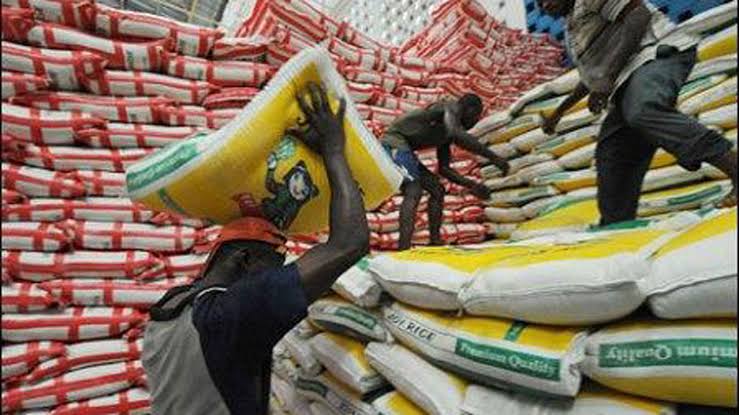
However, Nigerians are now feeling the pangs of the border closure as the price of a bag of rice that was sold around N12, 000 before now sells around N20,000 to N22,000. Also, a carton of frozen food (Orobo Chicken) that sold before at the rate of N7,000 to N7,500 now sells for N12,000 to N13,000.
To Nigerians, these foods are essential to their survival because they are consumed in large quantities which necessitated their large importation.
A rice retailer, Mama Ibrahim at Ketu Market in Lagos, lamented the absence of the locally produced rice which was the reason borders were shut, adding that they were not available.
“The local rice is nowhere to be found because they cannot go round. Nigerians eat rice a lot; it is the most consumed food item in the country after bread. The Federal Government should have ensured self-sufficiency in rice before closing the borders. If the local rice is available, there won’t be any increase in the price in the market. We have been battling with the price of the local rice because since the borders were shut the price kept on increasing,’’ she said.




-
 Featured5 days ago
Nigeria’s youth unemployment paradox: Graduates struggle as millions survive in informal jobs
-

 Business6 days ago
Nigerian Banks earn N521.8bn from E-banking, card fees in nine months
-

 Latest6 days ago
Dalung claims ‘message from Buhari’s grave’ urges Nigerians to vote Atiku in 2027
-

 Energy5 days ago
Nigeria’s power crisis deepens as ₦639bn unpaid gas debt threatens electricity supply
-

 Latest1 week ago
2027 elections: Former INEC commissioner warns against ‘Rig and Die’ slogan, says violence undemocratic
-
 Featured4 days ago
Tinubu’s Renewed Hope: Reforms, hardship and the unanswered question of a second term
-

 Business1 week ago
GTCO fashion weekend: As fashion evolves, Nigerian men are rewriting the rules of style
-

 Featured4 days ago
The cost of Renewed Hope: How Nigeria’s economic reforms are reshaping everyday family life