
Crime
See how many convicted Nigerians to be hanged in Malaysia


No fewer than 119 Nigerians, out of the 1,281 inmates imprisoned across Malayasia, are on death row.
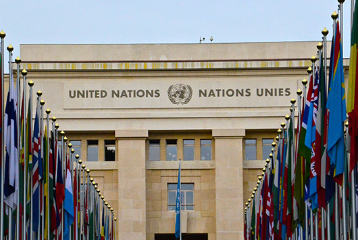
Amnesty International stated this in its latest report on capital punishment entitled “Fatally flawed: Why Malaysia must abolish the death penalty”.
The AI report said the 119 Nigerians were convicted of hard drug-related offences.
“As of 22 February 2019, 1,281 people were under sentence of death in Malaysia, held in 26 detention facilities across the country.
“A startling 44 per cent (568) of all those under sentence of death were foreign nationals, from 43 countries. Nationals from Nigeria made up 21 per cent of this group, with those from Indonesia (16%), Iran (15%), India (10%), Philippines (8%) and Thailand (6%) following suit.
“A significant 73 per cent of all those under sentence of death have been convicted of drug trafficking under Section 39(b) of the Dangerous Drugs Act, 1952 – an extremely high figure for an offence that does not even meet the threshold of the ‘most serious crimes’ under international law and standards and for which the death penalty must not be imposed,” AI said in the report.
In Malaysia, 33 offences are punished with death sentence.






-
 Featured5 days ago
Nigeria’s youth unemployment paradox: Graduates struggle as millions survive in informal jobs
-

 Business5 days ago
Nigerian Banks earn N521.8bn from E-banking, card fees in nine months
-

 Energy5 days ago
Nigeria’s power crisis deepens as ₦639bn unpaid gas debt threatens electricity supply
-

 Latest5 days ago
Dalung claims ‘message from Buhari’s grave’ urges Nigerians to vote Atiku in 2027
-
 Latest1 week ago
2027 elections: Former INEC commissioner warns against ‘Rig and Die’ slogan, says violence undemocratic
-
 Featured4 days ago
Tinubu’s Renewed Hope: Reforms, hardship and the unanswered question of a second term
-

 Business1 week ago
GTCO fashion weekend: As fashion evolves, Nigerian men are rewriting the rules of style
-

 Featured4 days ago
The cost of Renewed Hope: How Nigeria’s economic reforms are reshaping everyday family life