
Business
Brace up for harder times ahead, experts advise Nigerians

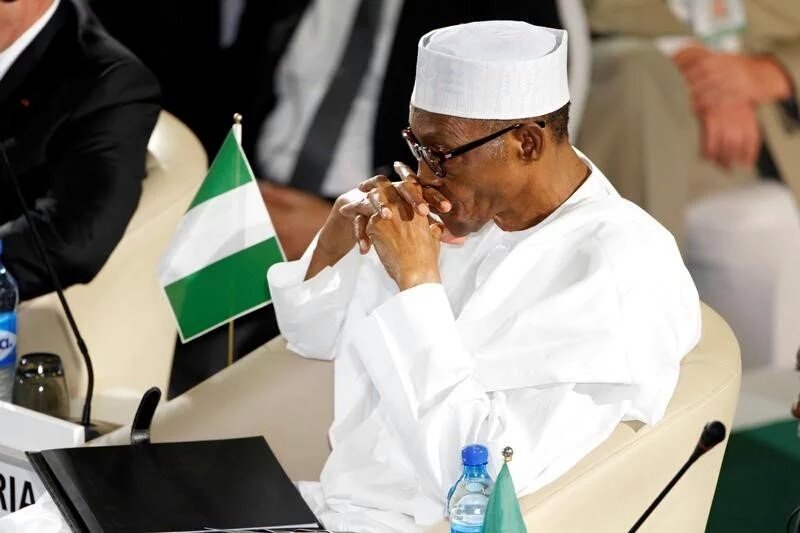
Experts at RenCap says Nigerians should brace up for more hard times in 2020 as the continued closure of Nigeria’s land borders could lead to a slow-down in Nigeria’s economic growth in the coming year.
The recent inflation report released by the National Bureau of Statistics also revealed that Nigeria’s inflation rate rose by 11.61% year on year in October 2019, the highest in about 18 months. The rise was largely attributed to an increase in the cost of food items following the closure of the borders to cheaper imported goods.
With the full effect of the closed borders still being contemplated, Nigeria’s 4th quarter GDP numbers could be severely impacted, especially if the trade sector continues to cave under pressure from government policies.
In the report released by the company on Monday, it said Nigeria’s economic growth of 2.3% recorded in the third quarter of 2019 was mainly on the back of a recovery in the oil and gas sector, and to a lesser extent financial services, with the oil sector growing by 6.5% year on year in the third quarter of 2019.
According to the research firm, while the CBN’s policy may have positively impacted on Nigeria’s third-quarter GDP growth rate, the Federal Government’s decision to keep the borders closed until January 2020 is expected to slow down economic recovery, particularly in the trade sector.
“We think that the Central Bank’s directive to banks to increase their loan-to-deposit ratios (LDR) to 65%, as part of a bid to boost economic growth, partly explains the increase in lending. The pick-up in credit growth to 10.9% YoY in September, from 4.3% YoY a year earlier (see Figure 3), maybe in part attributed to this directive. The telco industry remains the biggest contributor to GDP growth, albeit a tad smaller. The sector grew by a brisk 12.2% YoY in 3Q19, a little slower than 15% YoY a year ago.”
Nigeria’s trade sector is about the second largest contributor to Nigeria’s GDP but has suffered from poor economic growth since Nigeria’s economic crisis began in late 2014. “We believe the border closures contributed to the decline in wholesale and retail trade in 3Q19” RenCap explains.
“Trade’s decline partly explains the slowdown in the non-oil sector’s growth to 1.8% YoY in 3Q19, from 2.3% YoY a year earlier. Trade contracted by 1.5% YoY vs 1.0% growth a year earlier. As trade is the second-biggest economic sector, its performance has material implications on GDP growth. Trade declined despite a pickup in consumer confidence.” RenCap
Unfortunately, growth may remain farfetched for the trade sector if the borders remain closed next year. “We believe the pick-up in inflation, on the back of the border closures, will undermine confidence and demand in subsequent quarters. This will also counter the positive impact of improving credit growth, resulting in a neutral impact on GDP growth.”


-
 Featured6 days ago
Nigeria’s youth unemployment paradox: Graduates struggle as millions survive in informal jobs
-

 Business6 days ago
Nigerian Banks earn N521.8bn from E-banking, card fees in nine months
-

 Energy6 days ago
Nigeria’s power crisis deepens as ₦639bn unpaid gas debt threatens electricity supply
-

 Latest6 days ago
Dalung claims ‘message from Buhari’s grave’ urges Nigerians to vote Atiku in 2027
-
 Featured5 days ago
Tinubu’s Renewed Hope: Reforms, hardship and the unanswered question of a second term
-

 Business1 week ago
GTCO fashion weekend: As fashion evolves, Nigerian men are rewriting the rules of style
-

 Featured4 days ago
The cost of Renewed Hope: How Nigeria’s economic reforms are reshaping everyday family life
-

 Latest6 days ago
Ondo shuts ponmo processing centre after discovery of human waste