
Energy
FG shifts implementation of new electricity tariff hike from July 1st

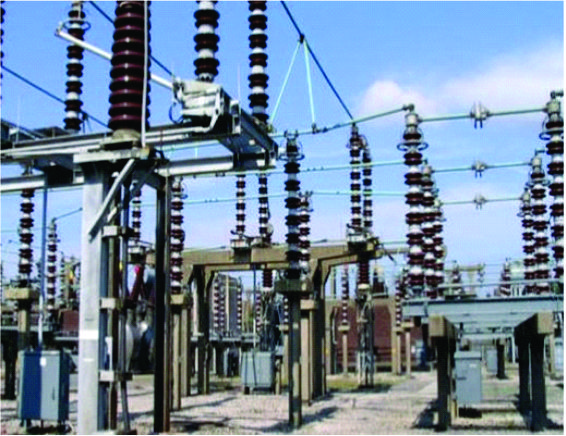
Leadership of the National Assembly after a meeting with the National Electricity Regulatory Commission and DisCo representatives have agreed to shift the implementation of the new electricity tariff hike from July 1st to the first quarter of 2021.
According to the President of the Senate, Ahmed Lawan, “The agreement here is that there is not going to be any increase in the tariffs on July 1st. The Speaker and I, we are going to take appropriate action and meet with the President. We are in agreement here that there is no question on the justification of the increase but the time is simply not right and appropriate measures need to be put in place.
Electricity tariff hikes have remained in the political doldrums for years with the government and national assembly pushing back tariff increases for all sorts of reasons. The latest push back comes at a time when the World Bank just recently approved a $750 million power sector loan for Nigeria.
The increase in price is a follow-up to the charges set in 2015. The tariff increase would cater for revenue shortfalls in the sector. The order was issued to the 11 DisCos on December 31, 2019.
The Minister of Power, Saleh Mamman, had said that the hike was inevitable due to the rising cost of electricity generation in Nigeria. According to him, improvement in electricity supply necessitated the need to increase electricity tariffs.
Mamma said electricity supply was being affected by cost-ineffective tariffs and that it was a drawback on the operation of the energy distributors. So, if the electricity supply was to improve, there’s a need for the procurement of needed equipment that would reflect on the electricity tariff.
The increase in tariff was meant to stop the continuous subsidy of electricity by cash strapped Federal Government as customers pay the right price. It also meant everyone in the electricity market will take full responsibility for service delivery and payment remittance.
The decision to stop the tariff increase is a major setback for the industry that has been plagued by lack of funding due to challenges attracting investments. According to DisCos, most investors will not invest in the market that is not cost-reflective.


-
 Comments and Issues6 days ago
Can President Tinubu Revive Nigeria’s Moribund Refineries?
-
 Business6 days ago
TikTok, ByteDance agree to $400m settlement in US children’s privacy case
-
 Business7 days ago
Tinubu knocks Atiku’s subsidy plan, says proposal shows ‘ignorance’ of economy
-

 Entertainment4 days ago
Miss World 2026: Four Continental winners battle for automatic top 20 spot (VIDEO)
-

 Football7 days ago
EPL 2026/27: Experts back Arsenal for title as Haaland, Rice lead individual award picks
-
 Featured1 week ago
Economic Reality vs Party Machinery: What will drive Nigeria’s 2027 election?
-

 Entertainment3 days ago
Miss World 2026: Meet 24 African Contestants Flying Continent’s Flag in Vietnam(VIDEO)
-

 Football5 days ago
Newcastle, Liverpool unite in emotional tribute to Kevin Keegan