
Featured
Write to Heal

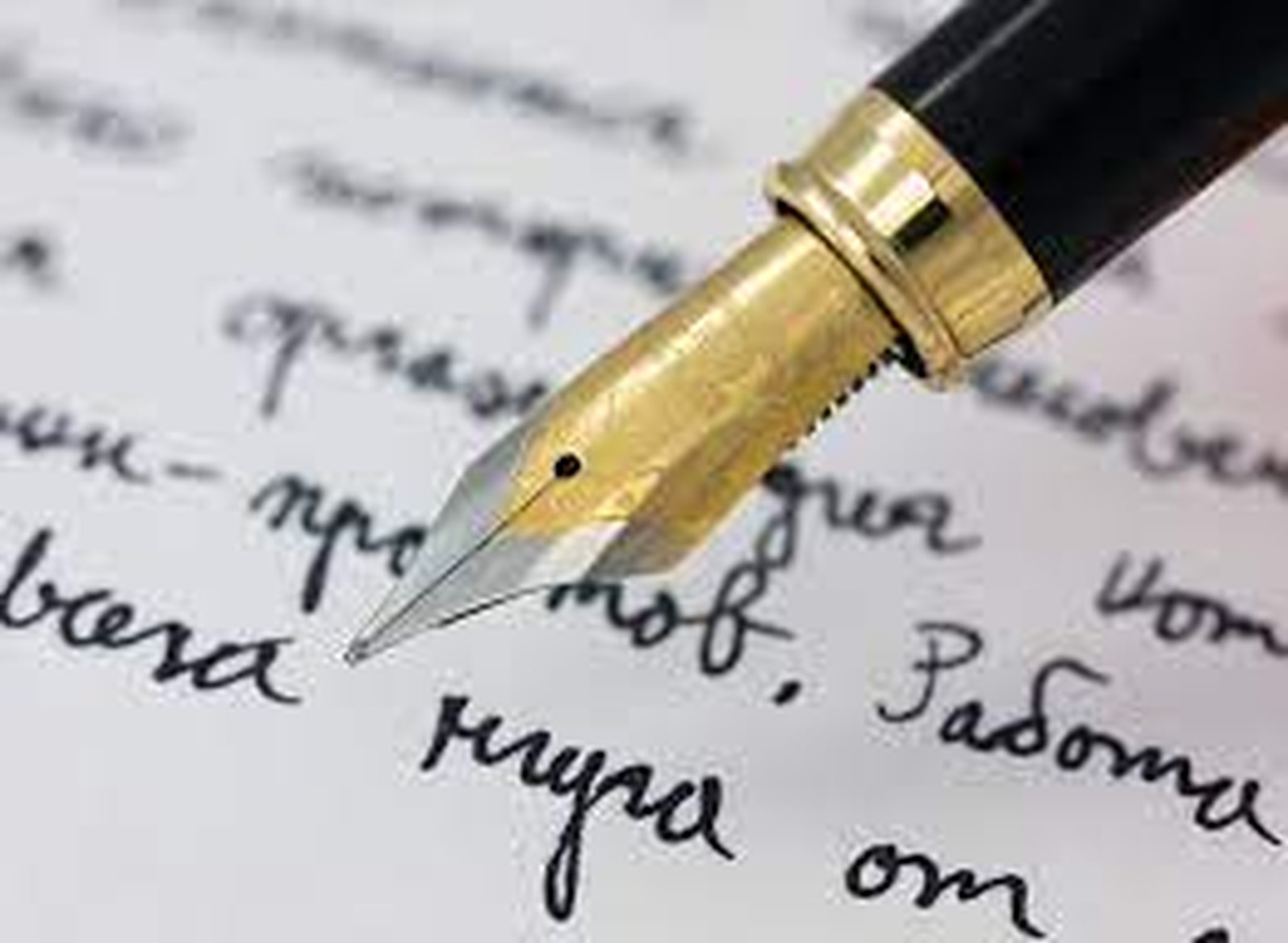
For ages, writing has been a way to pass on information from one medium to another and even from one generation to another such that information is not lost and lasts forever unless the medium is destroyed.
Remember the phrase: A short pen is better than a long memory.
This phrase embodies the explanation that what is written, can never be lost and will always be recovered for future purposes. Writing helps you absorb information faster, it also helps gets information out of your head and into concrete form. When you write and later review what you put down, they may lead to even more ideas or give you more clarity and perspective.
Writing helps give a sense of order, whether it is writing personal journals or diaries, it is a way to capture moments we don’t want to forget or relive or the more serious matter of writing a business plan or proposals.
An important aspect of writing is that it is therapeutic.
Writing can help you process adequately something you might have gone through in order to help you move forward. Sometimes what may be difficult to express out loud can be readily given voice on paper.
Research has revealed that writing about negative or traumatic events can lower blood pressure, reduce stress, bring greater focus and clarity, and boost overall well-being.
According to an article “Writing Can Help Us Heal from Trauma,” by Deborah Siegel
Acevedo written in the Harvard Business Review, here are three prompts you can use.
Spend 10 minutes writing down whatever bubbles up when you think about your pandemic experience — moments that have stayed with you, whether they’re pleasant or unpleasant. Don’t hold back. If you run out of things to say, write that (“running out of things to say”) until a new thought comes to mind.
Answer these questions:
What’s one thing you know now that you didn’t know before the pandemic?
How and when did you learn it?
Think of one object in your home that represents a moment in the pandemic for you.
Look closely at its colors. Feel the weight of it. Use all of your senses.
Now, write as specifically as you can about that object. You might find that the smallest detail brings out some truth or feeling for you.
Source: – Harvard Business Review


-

 Energy1 week ago
Fuel Battle: Dangote, marketers and government clash over petrol imports
-

 Latest3 days ago
Full List: Meet the 2026 Nobel Prize winners across six categories
-
 Featured7 days ago
103 Million Voters: What does INEC’s new register say about Nigeria’s population?
-

 Football3 days ago
Premier League Matchweek 7: Five Fixtures That Could Shape the Weekend
-

 Business1 week ago
The Ministry of Commerce of Loveworld gets a $1 million boost for new investment fund at LTIF 2026 to promote Trade in Ghana
-

 Features1 week ago
Edo’s 2.5 million vote promise: Can the numbers match the politics?
-

 Latest2 days ago
Umahi defends Lagos-Calabar highway route changes amid public outcry
-

 Latest1 week ago
Nigeria to Ghana: Inside police hunt for Anambra kidnap suspect