
Latest
UCTH faces morgue crisis as 50 unclaimed corpses wait mass urial after a decade

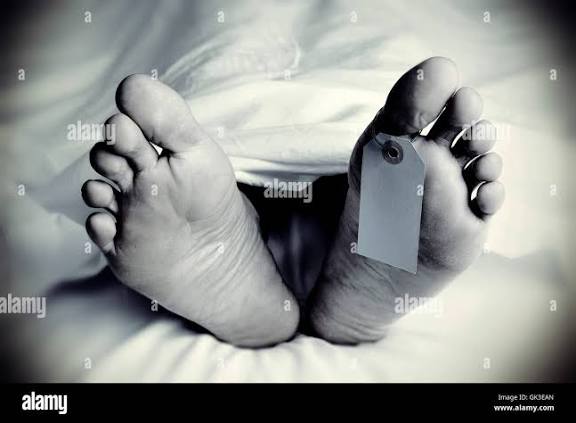
The University of Calabar Teaching Hospital (UCTH) is preparing to conduct a mass burial of more than 50 unclaimed corpses, some of which have reportedly remained in its morgue for over 10 years, amid growing pressure on mortuary facilities and concerns over the circumstances surrounding the prolonged abandonment of the bodies.
The hospital management has fixed Wednesday, October 21, 2026, for the exercise, warning that all families and individuals with relatives whose bodies remain unclaimed must retrieve them before the deadline expires.
The development raises questions about the challenges facing public mortuaries, including the financial burden of burial ceremonies, the difficulties of tracing next of kin and the management of unidentified or unclaimed bodies in healthcare facilities.
According to the hospital, the corpses have remained in the morgue far beyond the statutory 90-day period, with repeated efforts to locate their relatives reportedly yielding no results.
Dr David Ushie, Chairman of the Special Task Force on the Evacuation of Abandoned and Unclaimed Corpses at UCTH, said the hospital had provided a three-week grace period to enable affected families to identify and retrieve the bodies.
Ushie warned that the October 21 deadline was final and that the hospital would not issue another notice before proceeding with the mass burial.
“The October 21 deadline remains firm. The hospital would not issue another notice before carrying out the mass burial,” he stressed.
The hospital’s position highlights the operational difficulties associated with preserving corpses indefinitely, particularly when families fail to respond to repeated appeals or cannot be traced.
Morgue Capacity Under Pressure
READ ALSO; Man allegedly beats wife to death in Edo, absconds with corpse
Speaking earlier on behalf of the Chief Medical Director of UCTH, Professor Ikpeme Ikpeme, the Deputy Chairman of the Medical Advisory Committee in charge of Clinical Services, Dr Stephen Ogbudu, said the growing number of unclaimed corpses had placed additional pressure on the hospital’s mortuary facilities.
He explained that some of the bodies had remained in storage for more than a decade, preventing the hospital from making adequate space available for newly deceased patients.
Ogbudu attributed the situation partly to the rising cost of burial ceremonies and cultural practices that impose significant financial obligations on bereaved families and their in-laws.
Such financial and cultural pressures, he suggested, could contribute to delays in claiming bodies, although the hospital did not provide a breakdown of the reasons individual families had failed to retrieve their deceased relatives.
The management said the evacuation exercise was necessary to ease congestion in the morgue, improve sanitation and create a more suitable environment for clinical services.
However, the planned mass burial also underscores the need for effective procedures to identify deceased persons, trace their relatives and ensure that appropriate notification and documentation requirements are met before unclaimed bodies are buried.
Questions Over Identification and Family Notification
Although UCTH said it had made efforts to locate the relatives of the deceased, details of the measures adopted, the number of bodies that remain unidentified and the specific circumstances surrounding their abandonment were not disclosed.
It is also unclear how many of the more than 50 corpses belong to persons whose identities are known but whose relatives have not come forward, as opposed to bodies whose next of kin could not be established.
These distinctions are important because unclaimed bodies may involve different circumstances, ranging from financial hardship and family disputes to difficulties tracing relatives or identifying deceased persons.
The hospital’s announcement did not provide details of whether social welfare agencies, law enforcement authorities or other relevant institutions had been involved in the tracing process.
Neither did the management disclose the estimated cost of maintaining the bodies over the years or the procedures that would guide the proposed mass burial.
While the hospital has cited the need to free up mortuary space and improve sanitation, the planned exercise places renewed attention on the balance between the operational needs of healthcare facilities and the need to handle deceased persons with dignity.
Final Appeal to Families
UCTH has urged anyone who may have a relative among the unclaimed corpses to contact the hospital and complete the necessary identification and retrieval procedures before October 21.
The task force chairman maintained that the hospital would proceed with the exercise after the deadline, without issuing another public notice.
For families who have been unable to meet burial expenses, the situation highlights the financial challenges that can follow a death, particularly where cultural expectations make funeral ceremonies expensive.
It also raises the question of whether improved social support, family tracing systems and clearer procedures for handling unclaimed bodies could reduce the number of corpses left in public mortuaries for extended periods.
For now, the hospital’s immediate concern is to recover space for its mortuary operations, while the deadline gives potentially affected families a final opportunity to claim their deceased relatives.
Unless the bodies are retrieved before the announced date, UCTH says it will proceed with the mass burial on October 21, 2026.


-

 Energy1 week ago
Fuel Battle: Dangote, marketers and government clash over petrol imports
-

 Latest3 days ago
Full List: Meet the 2026 Nobel Prize winners across six categories
-
 Featured7 days ago
103 Million Voters: What does INEC’s new register say about Nigeria’s population?
-

 Football3 days ago
Premier League Matchweek 7: Five Fixtures That Could Shape the Weekend
-

 Business1 week ago
The Ministry of Commerce of Loveworld gets a $1 million boost for new investment fund at LTIF 2026 to promote Trade in Ghana
-

 Features1 week ago
Edo’s 2.5 million vote promise: Can the numbers match the politics?
-

 Latest2 days ago
Umahi defends Lagos-Calabar highway route changes amid public outcry
-
 Latest1 week ago
Nigeria to Ghana: Inside police hunt for Anambra kidnap suspect