
Business
We are ready to suspend strike if… – ASUU

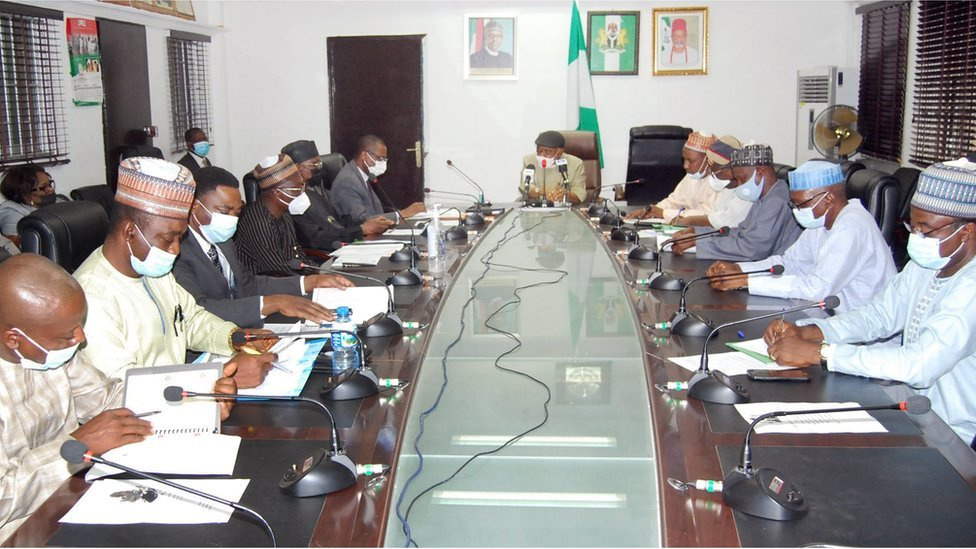
The President of the Academic Staff Union of Universities (ASUU), Prof. Emmanuel Osodeke, said on Monday the varsity teachers are ready to return to classrooms if the Federal Government agrees to their demands.
Osodeke, who spoke on a Channels Television’s programme, Politics Today, said the issue of the Integrated Payroll and Personal Information System (IPPIS) and University Transparency and Accountability Solution (UTAS) had been put to rest.
He, however, insisted that the government has the capacity to meet the union’s demands.
READ ALSO: Atiku decries ASUU’s ordeal, promises to work with university authorities to end incessant strikes
ASUU embarked on a 30-day warning strike on February 14 over the federal government’s failure to honour the agreement signed by both parties.
The union’s demands include reviewing lecturers’ condition of service every five years, revitalisation of public universities, and adoption of UTAS, among others.
ASUU extended the strike for another 30 days last week, the fourth since the industrial action began six months ago.
Osodeke said: “The issue of IPPIS and UTAS has been put to rest. If the government agrees with us tomorrow, everything will be resolved.”


-
 Featured5 days ago
Nigeria’s youth unemployment paradox: Graduates struggle as millions survive in informal jobs
-

 Business6 days ago
Nigerian Banks earn N521.8bn from E-banking, card fees in nine months
-

 Latest6 days ago
Dalung claims ‘message from Buhari’s grave’ urges Nigerians to vote Atiku in 2027
-
 Energy5 days ago
Nigeria’s power crisis deepens as ₦639bn unpaid gas debt threatens electricity supply
-
 Latest1 week ago
2027 elections: Former INEC commissioner warns against ‘Rig and Die’ slogan, says violence undemocratic
-
 Featured4 days ago
Tinubu’s Renewed Hope: Reforms, hardship and the unanswered question of a second term
-

 Business1 week ago
GTCO fashion weekend: As fashion evolves, Nigerian men are rewriting the rules of style
-

 Featured4 days ago
The cost of Renewed Hope: How Nigeria’s economic reforms are reshaping everyday family life