
Business
Nigeria’s internet service providers increase as NCC issues fresh licences

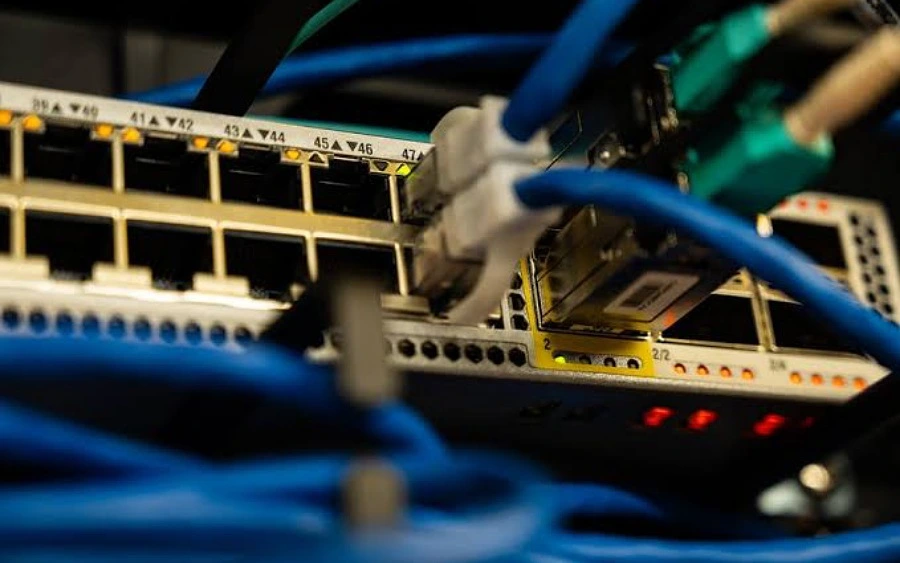
The number of companies providing internet services in Nigeria has increased to 225 as of September 2022 from 187 recorded in December 2021.
According to the updated list of licensees just published by the Nigerian Communications Commission (NCC) 38 more companies have been licensed since the beginning to bridge the internet access gaps in the country.
The newly licensed companies include Elon Musk’s company, Starlink, whose licence was approved by the telecom regulator in May this year. While other licensees will be leveraging the existing bandwidth capacity in-country to provide last-mile connectivity for Nigerians, Starlink, which is expected to launch its service this month, will be deploying its satellite technology to provide internet service across Nigeria.
The rising number of ISPs is expected to boost the country’s broadband penetration target of 70% by 2025.
However, locations of the service providers show that most are still concentrated in the urban areas, as the digital gap between urban and rural Nigeria continues to widen. NCC’s ISPs data showed that the Internet Service Providers are concentrated in Abuja, Lagos, and Port Harcourt.
READ ALSO: NCC partners NSCDC in tackling telecoms crimes
Estate intel, Nigeria’s real estate analytic startup makes Google’s list after raising $500k in pre-seed funding
The new service providers are coming amidst complaints by the old players over the stiff competition with the Mobile Network Operators.
The ISPs have been blaming the bigger operators, especially the likes of MTN, Globacom, Airtel, and 9mobile for their woes as the operation of the mobile network operators in the retail data market with cheaper prices is said to be the bane of the ISP businesses.
Speaking on behalf of the service providers recently, the Chief Executive Officer of VDT Communications Limited, Mr. David Omoniyi appealed to the government to come to the aid of the business. According to him, the ISPs who could be classified as Small and Medium Enterprises (SMEs) in the telecoms market are dying by the day.
“Indigenous ISPs are disappearing, more than 200 have been licensed so far by the Nigerian Communications Commission (NCC), but only a few of them are still operating. They are largely SMEs and need support to survive,” he said.


-

 Latest6 days ago
Full List: Meet the 2026 Nobel Prize winners across six categories
-

 Football6 days ago
Premier League Matchweek 7: Five Fixtures That Could Shape the Weekend
-

 Business5 days ago
Dangote Refinery IPO: 70% Subscription claim meets fourfold demand assertion as investors seek clarity
-

 Latest5 days ago
Umahi defends Lagos-Calabar highway route changes amid public outcry
-

 Latest3 days ago
UCTH faces morgue crisis as 50 unclaimed corpses await mass burial
-
Business5 days ago
Dangote Refinery IPO Extension: Was the 70% subscription report overhyped?
-

 Featured5 days ago
El-Rufai, ADC governorship candidate’s court appearance puts Kaduna opposition politics in focus
-

 Business3 days ago
BREAKING: Nigeria’s Inflation Rate Drops to 14.63% in September