
News
17,000 Nigeria required dialysis annually

By IFEOMA IKEM
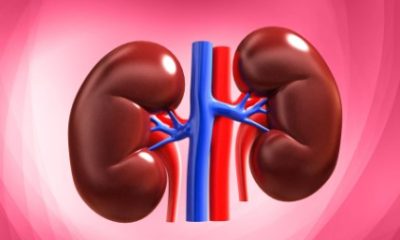
THE Head, Dialysis and Transplant Unit, SNH, Dr Ebun Bamgboye, said that the burden of chronic kidney diseases was much in Nigeria. According him, 17,000 new people required dialysis annually in Nigeria with the total number of people currently on dialysis unit being less than 2,000.
Ebun, who stressed the need for healthcare service delivery to be accessible to citizenry, called on government and non-governmental sector to be part of this effort to make a change in the health care system. Lagos State Commissioner for health, Dr Jide Idris, said, health and education are the foundation for human development. “The socio-political and economic development of any society is largely determined by the level of attainment of the nation with other determinants including the environment, culture and housing,” he said.
According to him, all indices point to the fact that the triple burden of diseases, poor quality of care and persisting rise in chronic and non-communicable diseases has become big challenges.
“It even becomes worse as Nigeria has been ranked as second in high maternal mortality rate and we are behind in meeting our MDG targets,” he added.“It is imperative that there is need for the improvement of our health and education sector for better quality of life and general production output in all spheres of life.” The commissioner also urged the Federal Government to increase the budgetary allocation to health and education as the present allocation was lean.
The Chairman of the foundation, Arch. Olufemi Majekodunmi, said that the `August Event’ played an important role in creating a learning platform where healthcare and education were promoted and supported.
“This event stands for what our father, Chief Dr Moses Majekodunmi stood for in healthcare, education and generally adding value to people’s lives. This collaboration with MA Majekodunmi Foundation brings to fore St. Nicholas Hospital’s corporate social responsibilities in the area of growth and development in the medical field,” he said.
The programme is an initiative geared towards supporting, strengthening and improving lives in the area of health and education. Prof Onyebuchi Chukwu, a former Minister of Health, said that the National Health Act of 2014 was not the sole solution to the many challenges of the Nigerian health sector. He said that some of the positive inclusions of the NHA included the regulation of tertiary health institutions and organ and kidney transplantation. Also, Dr Obinna Nwaneri, Director , Hematology and Oncology , SNH, speaking on `New Cancer Therapies and Toxicities’, said that early screening made for early detection of most cancers.
According to him, early screening has goals which include early discovery of cancers, usually treatable with less morbidity, eminent curability if found early, reduced financial and emotional discomforts.






-
 Featured1 week ago
Tinubu’s Renewed Hope: Reforms, hardship and the unanswered question of a second term
-

 Featured7 days ago
The cost of Renewed Hope: How Nigeria’s economic reforms are reshaping everyday family life
-

 Crime3 days ago
Kwara bandit deal under scrutiny as footage shows security operatives negotiating with terrorists [VIDEO]
-
 Business7 days ago
CBN forex reforms under scrutiny as Nigeria’s reserves drop $300m in 10 days
-
 Business7 days ago
NCC plans spectrum incentives to push telecom operators into more network investment
-

 Entertainment5 days ago
2027 Grammys: Asake, Wizkid, Tems, Ayra Starr lead Nigerian nominees in African music category
-

 Latest7 days ago
Nigeria’s security crisis deepens as October death toll hits 835, highest in 2026
-

 Sports1 week ago
Kenya’s Timothy Kibii wins Port Harcourt International Marathon