
Business
Naira scarcity may aggravate forex shortages, Fitch warns FG

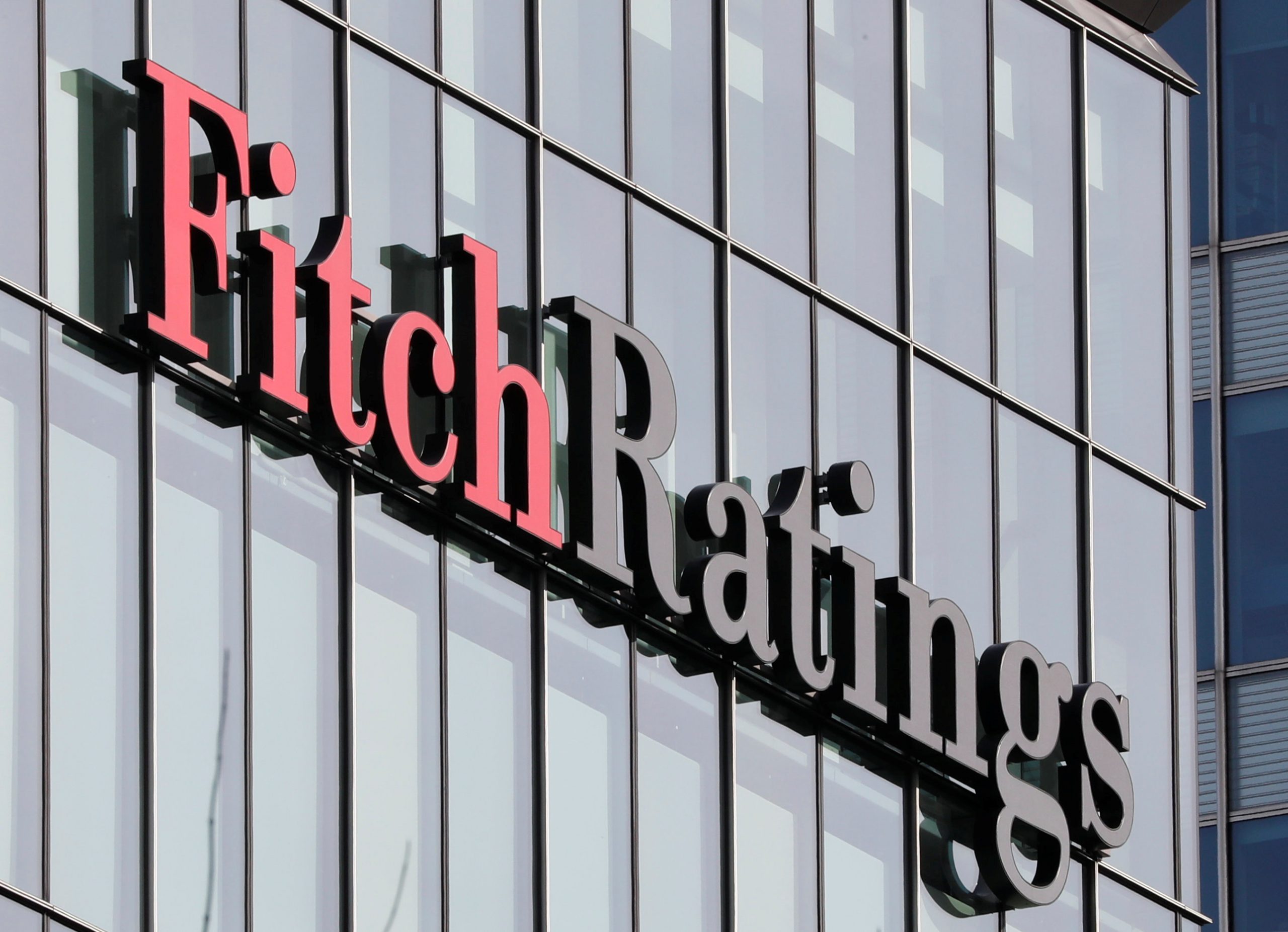
Fitch Ratings, a global credit ratings agency, says the cash shortage in Nigeria may reduce consumer spending and boost demand for foreign currency.
This is contained in its latest report titled ‘Nigeria’s Economic Challenges Highlight Importance of Post-Election Policies’.
Fitch said it was not yet clear whether there would be long-term economic benefits of the naira redesign policy, such as greater use of the formal banking system or enhanced use of digital payment systems.
“The Nigerian Supreme Court’s suspension of a 10 February deadline for exchanging old banknotes into new eases, at least temporarily, risks intensifying cash shortages,” the ratings agency said.
“However, the demonetisation drive is still likely to be disruptive in the near term.
READ ALSO: Naira under serious pressure, Fitch Ratings warns
“Associated cash shortages may hit consumer spending and boost demand for foreign currency, aggravating foreign-exchange shortages.”
Fitch said that Nigeria is faced with major economic challenges ahead of elections due on 25 February, and policy choices by the incoming administration could have a significant impact on the country’s credit profile.
It explained that it downgraded Nigeria’s rating to ‘B-’ from ‘B’ in November 2022, with a stable outlook, as a reflection of the country’s continued deterioration in debt servicing costs and external liquidity.
Fitch said Nigeria’s fiscal profile would remain weak in the medium term.
“General government interest/revenue is extremely high (47 percent in 2022 by Fitch’s estimate) and we expect it will remain so given constraints on revenue mobilisation, increasing debt and high interest rates,” the agency said.
READ ALSO: Fidelity Bank gets Fitch upgrades, to rank amongst tier-one banks
“Structurally low non-oil revenue, spending pressures and weak economic growth imply substantial fiscal financing needs.
“The government faces external debt amortisations of $2.5 billion in both 2023 and 2024, an increase on recent years, although the majority is bilateral and multilateral debt service.”
It also said that the next administration was likely to face pressure to continue fuel subsidies, warning that concessions on this front could make consolidating public finances more difficult.
Describing Nigeria’s official exchange rate as “overvalued”, Fitch said the prospects for exchange rate reform would be influenced by the outcome of the presidential election, and could increase under a new central bank governor.
“The incumbent’s term ends in 2024, but an incoming administration could push for earlier change,” the agency said.
“A more flexible exchange-rate regime would likely be a long-term positive for Nigeria’s credit profile, although the initial economic adjustment could present macro-fiscal risks.”


-
 Latest1 week ago
Pastor Chris Oyakhilome announces mother’s passing at 88 [VIDEO]
-

 Latest3 days ago
US Immigration fees rise from October 16 as USCIS announces new charges
-

 Football6 days ago
How David Beckham made $51.1m from 2026 World Cup, surpassing winners’ prize
-

 Comments and Issues1 week ago
Fani-Kayode on Atiku: Separating claims from the record
-
 Health6 days ago
COVID-19 Hospital care under scrutiny as US Senate hears patient, family testimonies
-

 Business6 days ago
OpenAI shelves GPT-6.1 astra release over safety concerns
-

 Business2 days ago
Nigeria’s $55bn reserves raise fresh questions over naira value
-
 Latest6 days ago
ADC’s 2027 Strategy: Who are the key players and what are their roles?