
Business
Over 90% of data centres in Nigeria are in Lagos—telecom operators

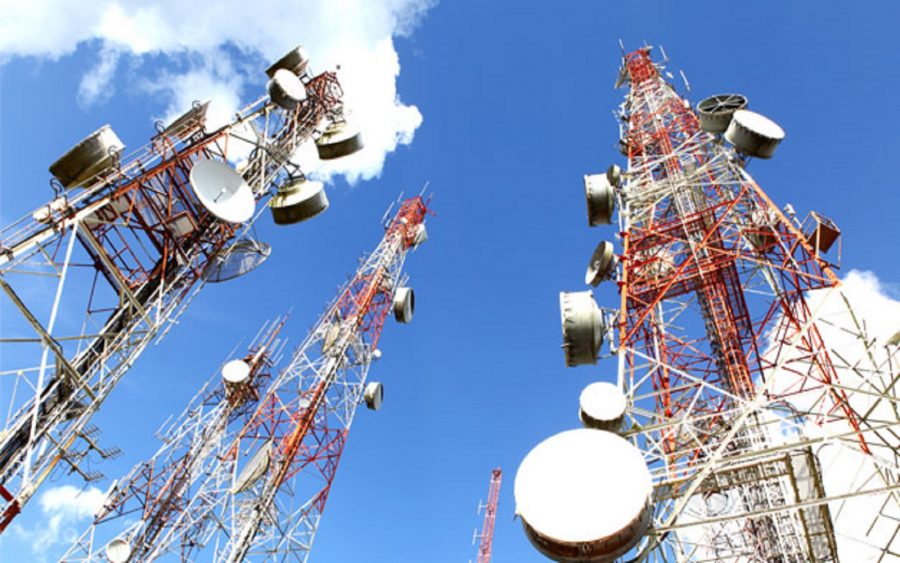
Telecom operators in Nigeria have revealed that over 90 per cent of the data centres in Nigeria are located in Lagos, Nigeria’s economic centre due to insecurity and economic challenges.
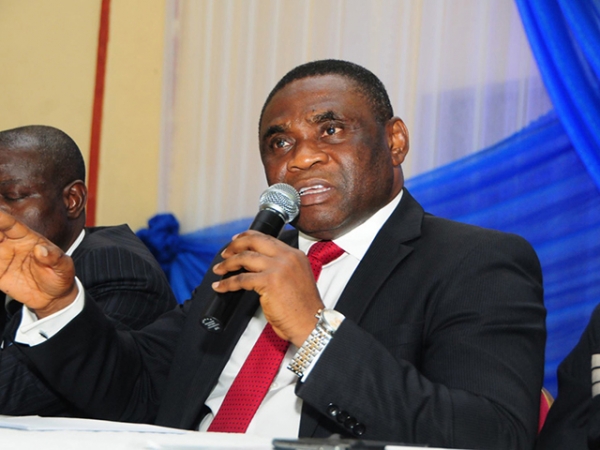
Speaking at the West Africa Telecoms Infrastructure Summit and Exhibition (WATISE) organized by Technology Mirror in Lagos, Chief Executive Officer of Coloplus, a tower infrastructure company, Mr. Mike Ofili, said it would be difficult to achieve the 70 per cent broadband target of the country with almost all the data centres in Lagos.
“I can tell you that 90 per cent of the data centres in Nigeria are in Lagos and I don’t know how you want to achieve 70 per cent broadband penetration in Nigeria with almost all the data centres in Lagos.
READ ALSO: Experts urge brands to prioritize customers’ data privacy
“It is very difficult to lay fibre cable across many communities in Nigeria, you cannot cross any community without paying different people. You cannot build towers without going through different communities of people demanding all kinds of things. If you don’t meet their demands, they will either not allow you to deploy or vandalise your equipment after you have left
“There are many states we cannot go to because to lay fiber in those states, you will need heavy security. In fact, we have lost many of our engineers to insecurity in the North while trying to deploy infrastructure.”
Ofili, however, noted that to deploy infrastructure in some communities that are considered important, the operators have to negotiate with the people and align with them.
Also speaking at the Summit, the Chairman/Managing Director of RS Engineering Global Ltd., Engr. Spencer Itive, said the government has been paying lip service with the declaration of telecom infrastructure as critical national infrastructure to ensure its protection.
READ ALSO: Telcos make N3.33trn as revenue from data, other services in 2022—NCC
According to him, this lack of commitment from the government has led to a consistent attack on telecom infrastructure across the country.
“We are yet to see the commitment of the government in protecting telecom infrastructure. And this is why every community sees the deployment as a favour to the telecom operators. In a certain community, before we could deploy, we had to meet their demand of settling them with 200 litres of diesel,” he said.
Speaking to the theme of the Summit, “The Future of Infrastructure Connectivity and Services: A New Interdependent of Ecosystem of Partners”, Itive said all stakeholders in the telecom sector have to recognize that no single entity can meet the multifaceted demands of the digital age in isolation.
“A complex tapestry of partnerships now weaves together telecom companies, technology giants, governments, and a thriving ecosystem of startups. These partnerships are redefining the boundaries of what’s possible in telecommunications,” he said.






-
 Latest6 days ago
Israel marks 3 years since October 7 Hamas attack amid Gaza strikes, election debate
-

 Energy5 days ago
Fuel Battle: Dangote, marketers and government clash over petrol imports
-

 Energy7 days ago
Petrol, diesel prices rise 86% in 2026 as costs hit fresh highs
-
 Energy1 week ago
Has Iran lost control of the Strait of Hormuz? Oil flows rebound as war disruptions persist
-

 Football6 days ago
Nigeria’s World Cup exit under spotlight as FIFA’s DR Congo files emerge
-

 Latest6 days ago
US Court set to rule on release of FBI, DEA records on Tinubu
-
 Business6 days ago
Nigerian investors at a crossroads as fixed-income yields slide
-

 Business1 week ago
LoveWorld Trade and Investment Forum to Convene Business Leaders in Accra