
Education
Ongoing SSANU strike disrupts academic activities in Nigerian universities

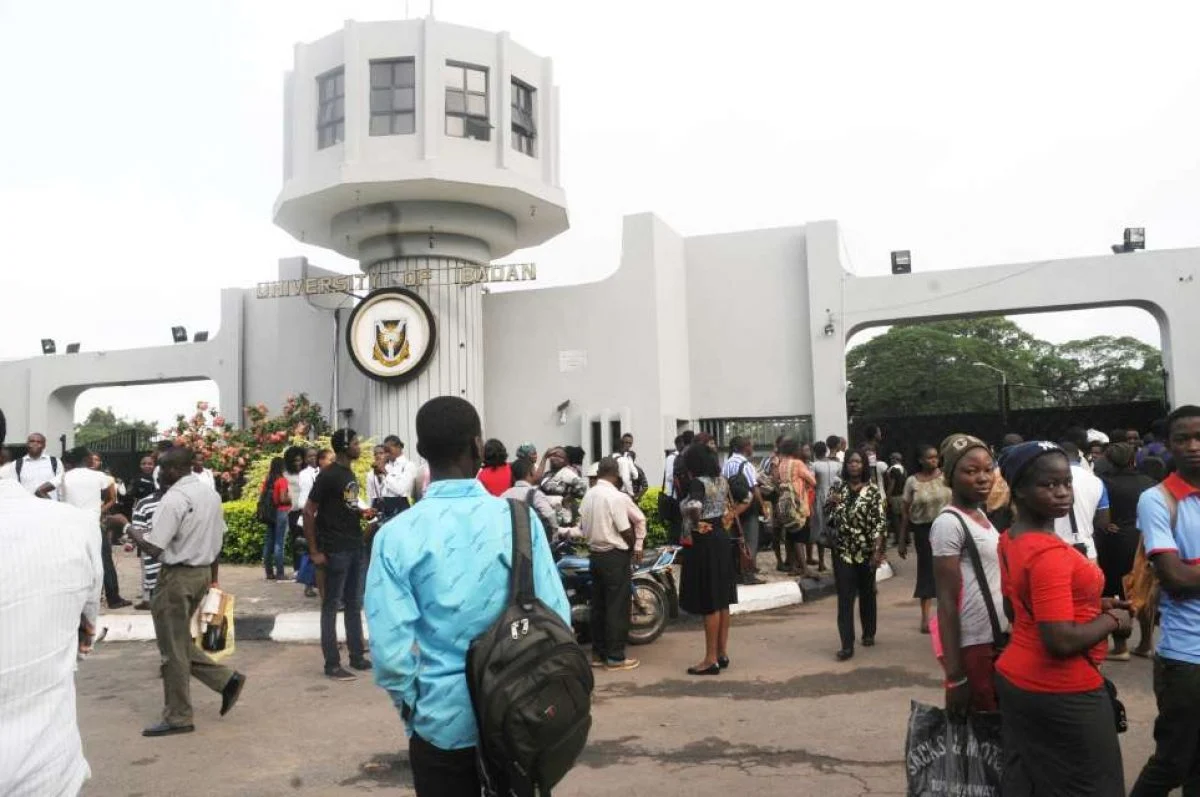
The Senior Staff Association of Nigerian Universities (SSANU) has placed the blame for the ongoing strike, which has severely disrupted academic activities across campuses, squarely on the Ministry of Finance.
The indefinite nationwide strike, which commenced on October 28, was initiated by non-teaching staff unions in federal universities over withheld salaries.
The roots of this conflict trace back to the previous administration of President Muhammadu Buhari, which withheld salaries from university staff who participated in an eight-month strike in 2022.
While President Bola Tinubu approved the release of four months of the withheld salaries for public university teaching staff in October 2023, non-teaching staff, including SSANU and the Non-Academic Staff Union of Educational and Associated Institutions (NASU), felt sidelined and discriminated against.
Muhammed Ibrahim, the president of SSANU, addressed the situation during a recent appearance on Channels TV, emphasizing that while the presidency had indicated that non-teaching staff salaries were to be paid, the process has stalled at the finance ministry.
READ ALSO: ASUU,UNN declares total strike, Universities on high alert
He stated, “To be fair, the former minister of education Tahir Mamman and his colleague the minister of state did their best. This issue is being stalled at the finance ministry. The NLC president called the finance minister, who kept assuring us payments would be made. This never happened.”
The unions, having engaged in multiple attempts to discuss their grievances with the finance minister, have expressed frustration over the lack of progress.
Ibrahim noted, “Since July, we’ve been giving notices and changing dates based on assurances. What is happening is at the finance minister’s doorstep.” He pointed out that non-teaching staff are struggling to make ends meet amid Nigeria’s challenging economic conditions.
Experts have highlighted that the strike by non-teaching staff—who are essential for overseeing admissions, examinations, maintenance, security, and other administrative functions—could lead to significant disruptions in academic activities.
Ibrahim warned, “Our universities are in a dire state. To have a productive economy and an enlightened population, universities must be funded properly. Teaching and learning must be seamless to avoid issues.”
The ongoing strike has underscored the broader concerns regarding the funding and management of Nigerian universities, raising questions about the government’s commitment to education and the welfare of university staff.
As the situation unfolds, the impact on students and academic institutions continues to deepen, prompting calls for urgent intervention to resolve the crisis.


-

 Latest1 week ago
US Immigration fees rise from October 16 as USCIS announces new charges
-
 Latest2 days ago
Israel marks 3 years since October 7 Hamas attack amid Gaza strikes, election debate
-

 Business7 days ago
Nigeria’s $55bn reserves raise fresh questions over naira value
-
 Health6 days ago
Florida sues Pfizer over deceptive COVID-19 vaccine marketing
-

 Crime6 days ago
From camp to captivity: How kidnappers now target NYSC Corps members on highways
-
 Featured7 days ago
2027: Can Nigeria’s opposition still unite behind a single presidential candidate?
-

 Crime6 days ago
Fulani Militia leader linked to Christian killings arrested in Plateau
-

 Business1 week ago
PalmPay upgrades security centre as digital fraud risks evolve in Nigeria