
Business
Lagos, FCT lead $7.1bn capital inflows as 32 states lag behind

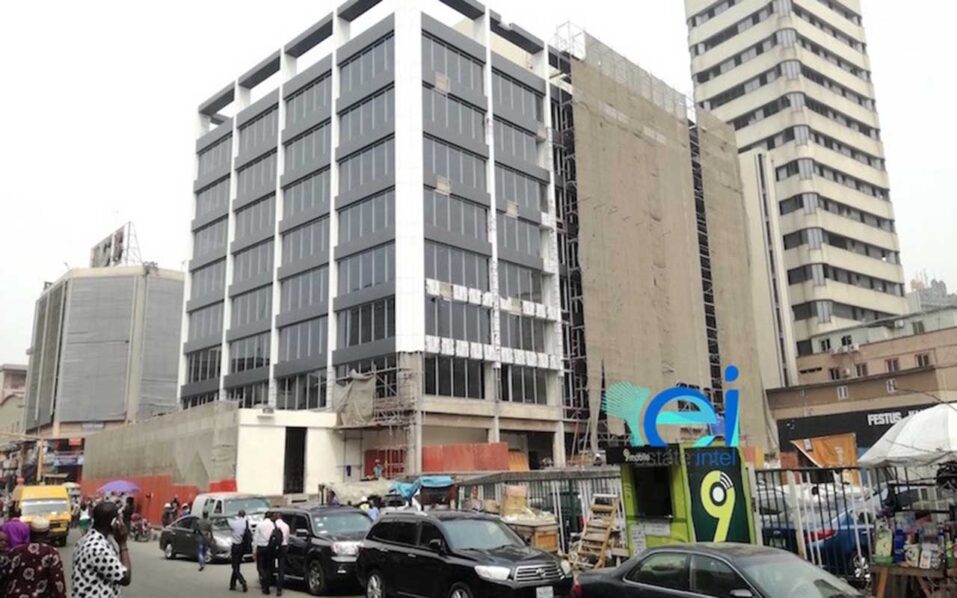
Nigeria’s capital importation surged to $7.1 billion in the first nine months of 2024, nearly doubling the $3.9 billion recorded in 2023.
However, the latest National Bureau of Statistics (NBS) report reveals a starkly uneven distribution of foreign investments, with 32 out of 37 states failing to attract any capital inflows, exposing deep systemic inefficiencies in the country’s economic landscape.
Lagos State led the pack with $4.6 billion, accounting for nearly 65 per cent of the total inflows.
The Federal Capital Territory (FCT) followed with $2.39 billion. Ekiti State, though relatively insignificant in terms of investment, managed to attract $120,000, primarily in the third quarter.
Enugu and Kaduna recorded inflows of $180,000 and $1.95 million, respectively, exclusively in the quarter.
While the total capital inflow reflects a substantial year-on-year increase, a worrying trend emerged in the third quarter of 2024, where inflows dropped by 51.9 per cent to $1.25 billion compared to $2.6 billion in the second quarter.
This sharp contraction raises concerns about Nigeria’s investment environment despite its improved annual figures.
Key oil-producing states such as Bayelsa and Rivers, alongside economic hubs like Ogun and Anambra, failed to attract any capital this year.
This marks a significant shift from 2023 when these states recorded inflows. Furthermore, northern states such as Gombe, Yobe, and Zamfara remained without capital importation, reflecting long-standing challenges tied to insecurity and underdevelopment.
READ ALSO: Lagos police arraigned fake soldier in court, another charge for stealing
Economic analysts have linked the dominance of Lagos and the FCT to their infrastructure, investor-friendly policies, and thriving commercial hubs.
Dr. Tunde Alabi, an economist at the Centre for Regional Development, remarked, “The concentration of inflows in Lagos and Abuja underscores systemic neglect of other regions. Without addressing insecurity, poor infrastructure, and weak governance, attracting investments beyond these zones will remain elusive.”
Similarly, Dr. Ngozi Eze of the Nigerian Investment Institute highlighted the missed opportunities in states rich in natural resources.
“It’s concerning oil-rich states like Bayelsa and Rivers that failed to attract investments. This reflects a broader issue of underutilized potential due to policy misalignment and insecurity,” she explained.
The report suggests that despite a national rise in capital inflows, the inability to extend these benefits across Nigeria underscores deeper structural issues.
The reliance on Lagos and the FCT indicates a failure to diversify investment opportunities and unlock the economic potential of other regions.
Experts advocate for targeted reforms to address insecurity, improve infrastructure, and ensure a stable regulatory environment in underperforming states. Investment-friendly policies tailored to regional strengths, such as tax incentives for manufacturing in Ogun or tech startups in Anambra, could help bridge the gap.


-

 Latest3 days ago
Pastor Chris Oyakhilome announces mother’s passing at 88 [VIDEO]
-

 Football6 days ago
Saka: England still carry World Cup scar
-

 Comments and Issues1 week ago
Sometimes, goodwill finds us through the people we love
-

 Latest4 days ago
Arsenal eye €70-80m move for Real Madrid star
-

 Business7 days ago
CBN reduces MPR by 350bps to 23% in major monetary policy shift
-

 Latest3 days ago
How adulterated palm oil, coloured pepper are putting consumers at risk
-

 Crime4 days ago
Police arrest suspect, launch manhunt for 2 others over Delta Education Director’s death
-

 Crime3 days ago
Deaths in NSCDC Custody: Can Nigeria guarantee the safety of detainees?