
Business
Zenith Bank reports stellar 2024 financial performance, posts N1.3trn PBT

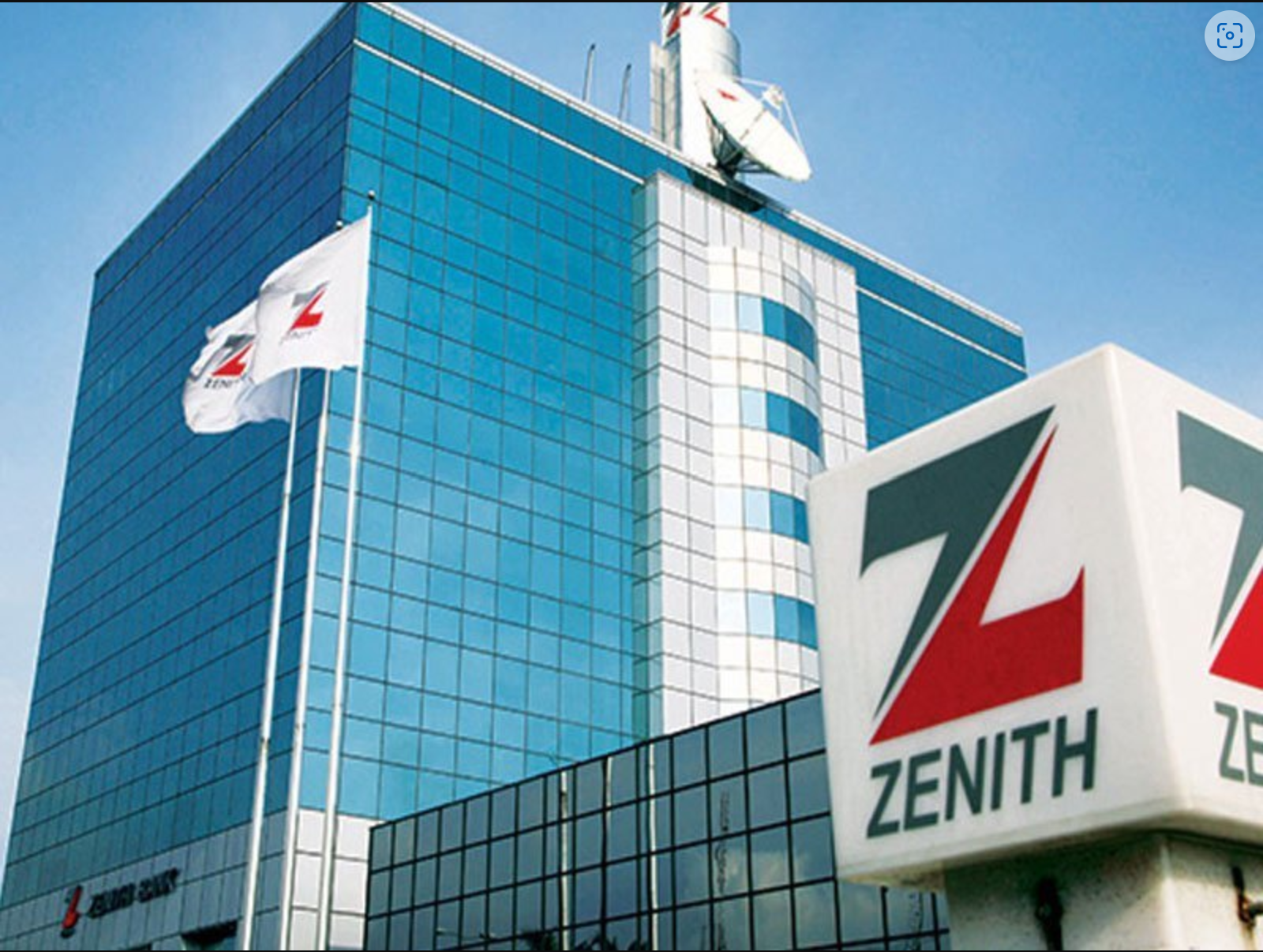
Zenith Bank Plc has released its audited financial results for the year ended December 31, 2024, showcasing strong growth across key performance indicators.
The impressive results underscore the bank’s effective risk asset management, strategic investments, and an optimized treasury portfolio, reinforcing its leadership position in Nigeria’s banking sector.
According to the audited financial statements submitted to the Nigerian Exchange (NGX), Zenith Bank recorded an 86% year-on-year (YoY) increase in gross earnings, rising from N2.13 trillion in 2023 to N3.97 trillion in 2024.
This double-digit growth was fueled by a 138% surge in interest income, driven by investments in high-yield government securities and the expansion of the bank’s loan book.
Zenith Bank’s profit before tax (PBT) soared by 67%, climbing from N796 billion in 2023 to N1.3 trillion in 2024. The growth was attributed to strong revenue generation and efficient treasury management.
Commenting on the bank’s performance, Dame Dr. Adaora Umeoji, OON, Group Managing Director/CEO, stated:
“This year’s performance underscores our unwavering commitment to innovation and customer-centric solutions. We will continue to deepen financial inclusion, enhance service delivery, and create value for our customers and stakeholders.”
Zenith Bank’s net interest income surged by 135%, rising from N736 billion in 2023 to N1.7 trillion in 2024. This reflects the bank’s strong core banking performance and ability to generate earnings despite macroeconomic challenges.
READ ALSO: Zenith Bank boosts employee welfare with over 4,000 promotions, salary rise
Additionally, non-interest income increased by 20%, reaching N1.1 trillion, up from N919 billion in 2023. This was supported by higher fee-based revenues, trading income, and digital banking innovations.
The bank’s total assets expanded by 47%, growing from N20 trillion in 2023 to N30 trillion in 2024. This was driven by a strong liquidity position and effective balance sheet management.
Customer deposits also experienced significant growth, rising 45% from N15 trillion to N22 trillion in 2024. This growth was fueled by: Strong corporate deposits, demonstrating the bank’s dominance in the corporate banking sector.
Sustained increase in retail deposits, driven by customer acquisition efforts and a focus on low-cost funding strategies.
Non-Performing Loan (NPL) ratio stood at 4.7%, with a coverage ratio of 223%, reflecting prudent risk management practices.
Return on Average Equity (ROAE) declined to 32.5% due to the injection of fresh capital, while Return on Average Assets (ROAA) remained steady at 4.1%.
The cost-to-income ratio rose slightly from 36.1% to 38.9%, attributed to inflationary pressures.
Given its strong earnings performance, Zenith Bank has proposed a final dividend of N4.00 per share, bringing the total dividend for 2024 to N5.00 per share.
With a solid capital base, a strategic focus on digital transformation, and a commitment to financial inclusion, Zenith Bank remains well-positioned to navigate evolving market conditions while reinforcing its leadership in the Nigerian financial sector.
The bank’s management has reaffirmed its commitment to delivering sustainable growth, enhancing shareholder value, and driving innovation to meet the needs of its expanding customer base.


-

 Latest3 days ago
US Immigration fees rise from October 16 as USCIS announces new charges
-

 Football7 days ago
How David Beckham made $51.1m from 2026 World Cup, surpassing winners’ prize
-

 Comments and Issues1 week ago
Fani-Kayode on Atiku: Separating claims from the record
-

 Health6 days ago
COVID-19 Hospital care under scrutiny as US Senate hears patient, family testimonies
-

 Business6 days ago
OpenAI shelves GPT-6.1 astra release over safety concerns
-

 Business2 days ago
Nigeria’s $55bn reserves raise fresh questions over naira value
-

 Latest6 days ago
ADC’s 2027 Strategy: Who are the key players and what are their roles?
-

 Latest7 days ago
El-Rufai continued detention revives debate over opposition, detention, political power