
Business
China Hits U.S. Imports with 84% Tariff in Retaliation

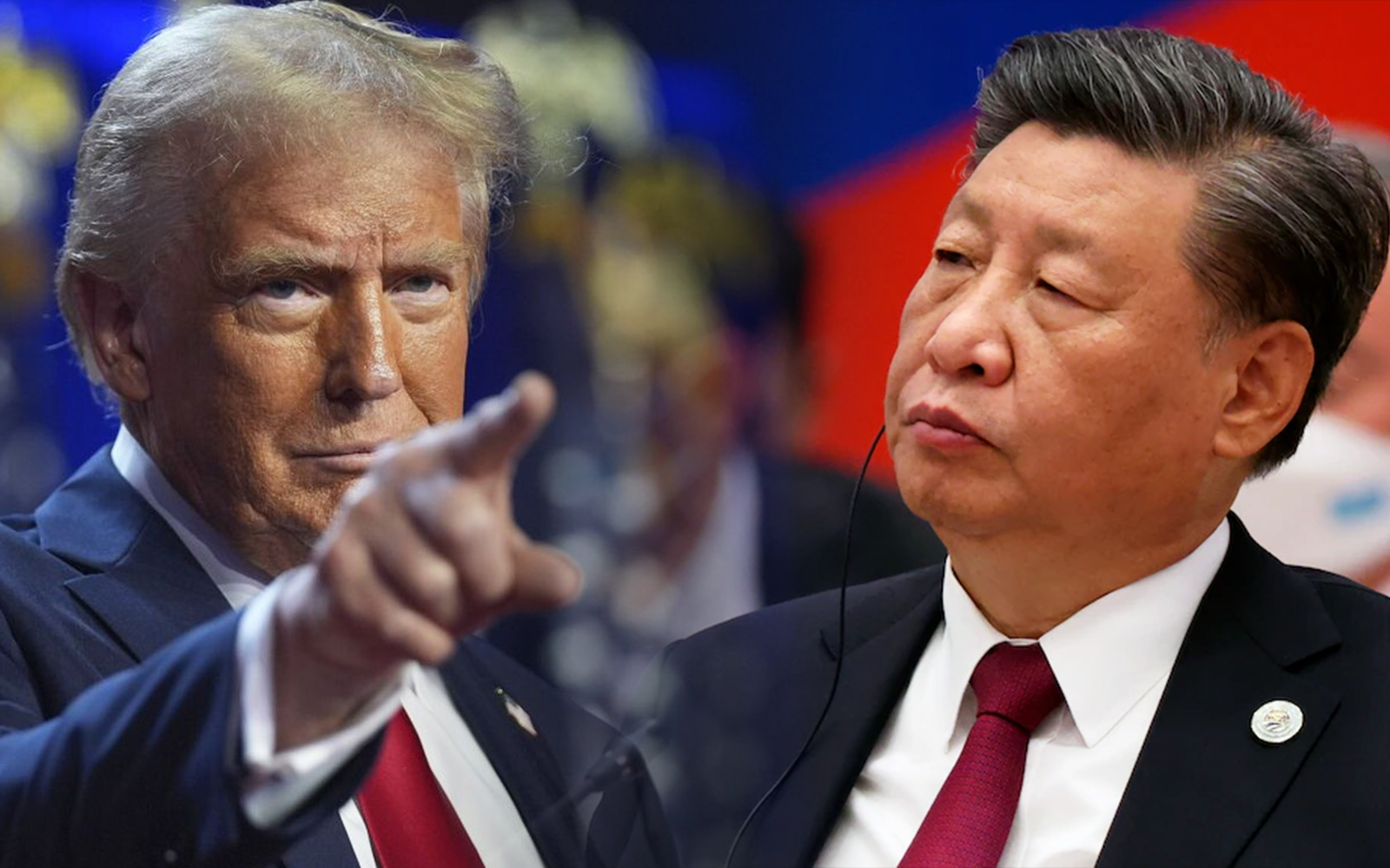
China has announced a sweeping 84% retaliatory tariff on U.S. imports, significantly escalating the ongoing trade war between the world’s two largest economies.
The latest move comes just hours after the United States, under President Donald Trump, implemented a 104% tariff on Chinese goods — a measure that took effect earlier today.
Beijing’s response will see tariffs on select U.S. imports soar from the current 34% to 84%, effective Thursday, marking one of the most aggressive steps taken in the prolonged economic standoff. The tit-for-tat escalation has alarmed global markets and heightened fears of a broader economic slowdown.
READ ALSO: Crypto markets plunge as Trump’s China tariffs spark global financial turmoil
The immediate impact was felt on Wall Street as U.S. stock index futures plunged in early trading on Wednesday. The Dow E-minis fell by 1.87%, S&P 500 E-minis dropped by 1.72%, and Nasdaq 100 E-minis slid 1.45%, reflecting investor anxiety over rising trade barriers and the potential fallout on corporate earnings and global supply chains.
This latest exchange is part of a long-running trade dispute between Washington and Beijing, which has seen both nations impose heavy tariffs on hundreds of billions of dollars’ worth of goods since the conflict began.
Analysts say the current escalation signals a deepening of hostilities with little indication of compromise on either side.
Economists warn that the sharp increase in import duties could further strain global trade, disrupt manufacturing networks, and fuel inflationary pressures. The tech, agriculture, and automotive sectors are among those most vulnerable to the rising tariffs.
While China’s Ministry of Commerce framed the move as a necessary countermeasure to Washington’s “unjust and unilateral” action, the Trump administration has defended its tariffs as part of a broader effort to pressure Beijing into trade reforms and address intellectual property concerns.
With both sides hardening their positions, hopes for a swift resolution to the U.S.-China trade conflict appear increasingly distant, raising concerns that the economic standoff could drag on and weigh heavily on the global recovery.


-
 Latest6 days ago
Israel marks 3 years since October 7 Hamas attack amid Gaza strikes, election debate
-

 Energy5 days ago
Fuel Battle: Dangote, marketers and government clash over petrol imports
-

 Energy7 days ago
Petrol, diesel prices rise 86% in 2026 as costs hit fresh highs
-

 Energy1 week ago
Has Iran lost control of the Strait of Hormuz? Oil flows rebound as war disruptions persist
-

 Football6 days ago
Nigeria’s World Cup exit under spotlight as FIFA’s DR Congo files emerge
-

 Latest6 days ago
US Court set to rule on release of FBI, DEA records on Tinubu
-

 Business6 days ago
Nigerian investors at a crossroads as fixed-income yields slide
-

 Business1 week ago
LoveWorld Trade and Investment Forum to Convene Business Leaders in Accra