
Crime
Fresh outrage trails alleged payments, allowances to repentant Boko Haram fighters

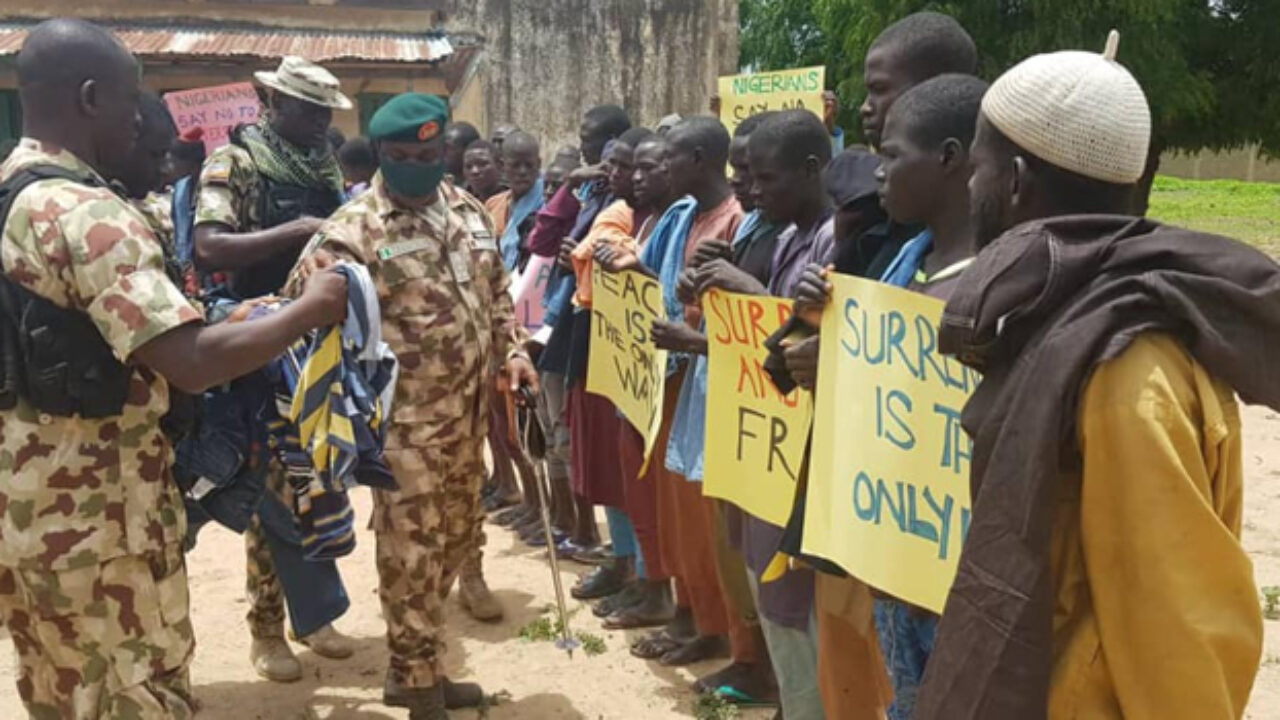
Fresh controversy has erupted over Nigeria’s rehabilitation and reintegration programme for former insurgents after a man who claimed to have lost his father to Boko Haram alleged that repentant fighters are being financially rewarded while victims and affected families continue to suffer neglect.
The man, whose identity was not immediately disclosed, publicly expressed anger over what he described as preferential treatment for former members of the insurgent group, alleging that surrendered Boko Haram fighters receive a N3 million payoff and are subsequently placed on a monthly allowance of N50,000 after completing rehabilitation programmes.
The allegation, which has triggered heated debate on social media and among concerned Nigerians, has once again placed the country’s deradicalisation and reintegration policy under intense public scrutiny.
According to the man, many victims of insurgency in Nigeria’s North-East region remain trapped in poverty, displacement and psychological trauma years after losing loved ones, homes and livelihoods to terrorist attacks.
He questioned why families affected by insurgency allegedly receive little support while former fighters accused of participating in violent attacks are perceived to be benefiting from government-backed rehabilitation initiatives.
The claims have not been independently verified, and authorities have yet to officially respond to the specific allegations regarding the reported N3 million payments and monthly stipends.
READ ALSO: Borno Police reunite two boys with families after four years in Boko Haram captivity
Nigeria’s rehabilitation and reintegration initiatives for repentant insurgents have long generated mixed reactions across the country.
Supporters of the programme argue that encouraging insurgents to surrender and abandon violence is a critical part of the country’s counterterrorism strategy, particularly in efforts to weaken extremist groups and restore stability to conflict-ridden communities.
Security analysts note that deradicalisation programmes are used in several countries battling insurgency and terrorism as part of broader peace-building and reintegration efforts.
However, critics insist that the process often appears insensitive to victims, especially where communities believe former fighters are receiving opportunities and financial support that survivors themselves lack access to.
Human rights advocate, Ibrahim Musa, said the government must improve transparency around rehabilitation programmes to avoid deepening public distrust.
“Peace-building is important, but victims also deserve justice, compensation and proper rehabilitation. If citizens feel that perpetrators are being rewarded while victims are abandoned, it creates resentment and undermines confidence in the process,” he said.
READ ALSO: Catholic priest abducted by Boko Haram
Another analyst, Hauwa Abdullahi, argued that authorities need to communicate more clearly about the objectives and structure of deradicalisation programmes.
“There is still widespread confusion about what exactly repentant insurgents receive, how the process works and what support exists for victims. That information gap fuels suspicion and public anger,” she said.
The debate comes amid continued security challenges in parts of northern Nigeria, where communities affected by insurgency continue to grapple with displacement, economic hardship and rebuilding efforts after years of attacks linked to Boko Haram insurgency.
Many Nigerians reacting to the controversy called for greater support for victims of terrorism, including compensation, trauma counselling, housing assistance and economic empowerment programmes for displaced families.
Others stressed that while rehabilitation may be necessary for national security reasons, it should not come at the expense of justice, accountability and community healing.
As reactions continue to trail the allegations, stakeholders say the government faces growing pressure to ensure that any long-term peace strategy balances deradicalization efforts with meaningful support for victims and affected communities.


-

 Football1 week ago
Banda, Chawinga make 2026 Women’s Ballon d’Or top 30 shortlist
-

 Trending Stories6 days ago
Davido, Wizkid, Burna Boy or Asake: Who is having the biggest 2026 so far?
-

 Featured1 week ago
Peter Obi, Makinde and the 2027 elections: Can unity really challenge APC?
-
 Football5 days ago
Premier League releases 2026/27 festive fixtures, 7 matches set for Boxing Day
-

 Business4 days ago
Jetour Nigeria, dealers take dashing, other models to Abuja Experience
-

 Business4 days ago
Dangote Refinery IPO shifts spotlight to corporate governance, investor protection
-

 Crime4 days ago
Anambra Police arrest mother over alleged child sexual exploitation
-

 Energy6 days ago
Brent crude tops $100: What higher oil prices mean for Nigeria